Updated July 2026
Affiliate Disclosure: As an Amazon Associate, I earn a commission from qualifying purchases made on Amazon.com.
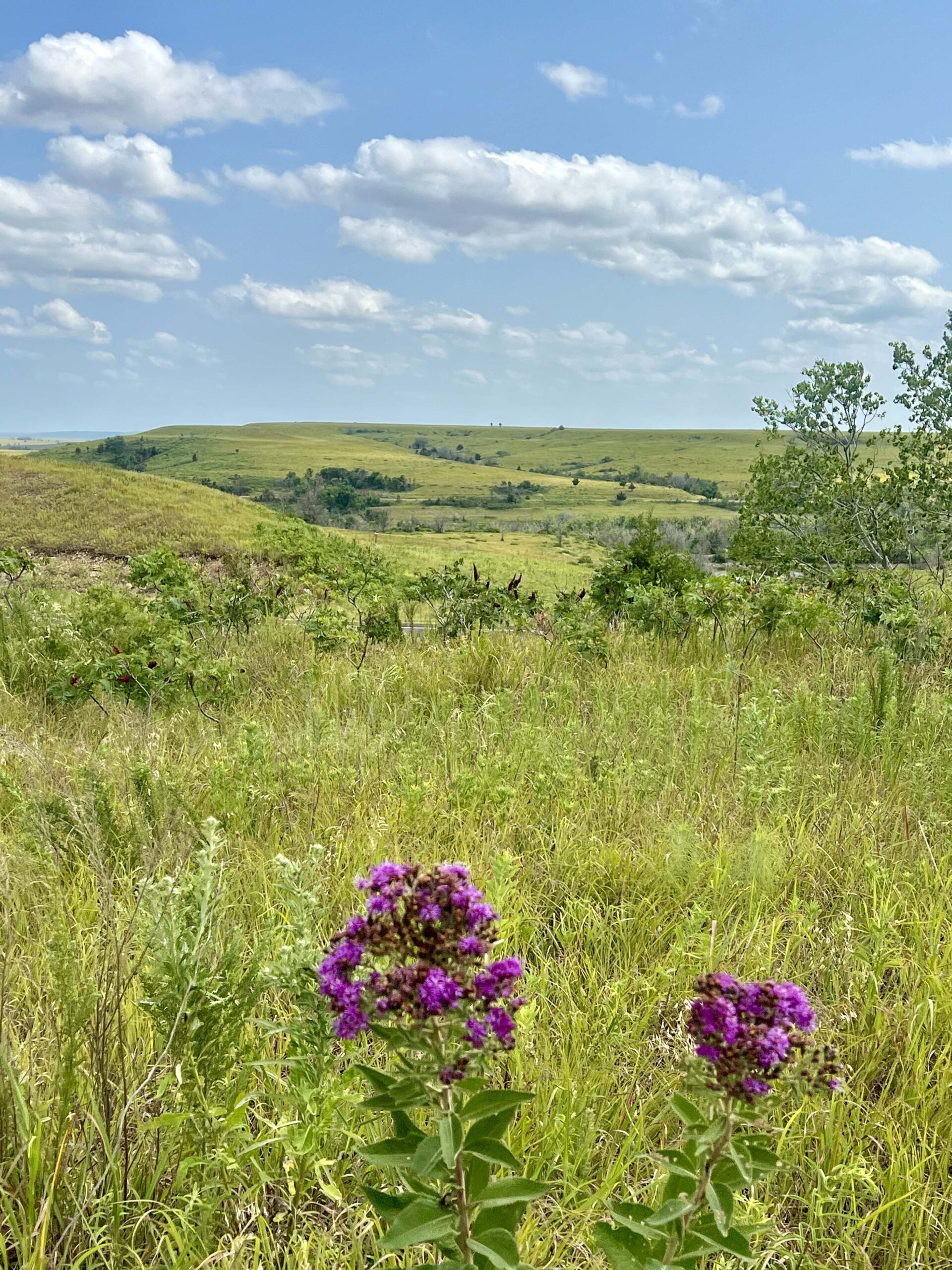
Despite what some people think, Kansas is not flat terrain. Its topography ranges from vast open prairie to the Flint Hills and protruding terrain such as the Gypsum Hills. Add the unpredictability of its ever-changing weather, making it a challenging location for early settlers.
Native Americans created trading posts. Settlers arrived from distant countries and other parts of the country, hoping to access farmland. Cowboys drove cattle from Texas along the Chisholm Trail.
 Fortunately, these museums document the story of those who chose Kansas as their home. Museum-goers can time-travel back in history, imagining what life must have been like for its early residents, visiting one museum at a time.
Consider this a list to enjoy the great American road trip, getting to know Kansas history and its people.
Kansas Museums to Imagine Life on the Prairie
OAKLEY
Buffalo Bill Cultural Center
The story of the American West includes William F. Cody, Buffalo Bill, who worked as a contract buffalo hunter. The Buffalo Bill Cultural Center’s interpretive displays and the outdoor sculpture of Buffalo Bill tell the story of the northwestern Kansas town’s early days.
A worthwhile point of interest in Oakley is a 16-foot bronze sculpture of Buffalo Bill, which draws tourists eager to take photos. The 8 Wonders of Kansas Art landmark is twice the life size of Buffalo Bill and his horse.

GOODLAND
High Plains Museum
Documented stories dating back over 100 years come to life at the High Plains Museum, where curators display over 8,000 Western Kansas artifacts, including a replica of the first patented helicopter in America, inspired by the Wright brothers. A glass case housing a gun, a money box, and masks used by train robbers illustrates the train robbery story.
A gallery of images depicts farming and railroad history in Sherman County. High-quality traveling exhibits and regularly scheduled trivia nights add to the museum’s appeal in Goodland.

COLBY
Prairie Museum of Art and History
Walk in the shoes of the state’s early residents inside original buildings on a 24-acre site at Prairie Museum of Art and History in Colby. A one-room schoolhouse and a 1915 church serve as time capsules, while tractors on display are a visual reminder of the labor-intensive daily work of farmers who tended fields and raised livestock.
The Cooper Barn, the largest one in Kansas, is one of the 8 Wonders of Kansas Architecture and a must-see attraction. Inside, Agriculture on the High Plains: High Dry’s artifacts tell a farming story during water scarcity, underscoring the challenges of prairie living.

OBERLIN
Decatur County Last Indian Raid Museum
In 1878, a battle between the Cheyenne Indian tribe and US Army men took place in Decatur County, resulting in deaths. The Decatur County Last Indian Raid Museum’s displays preserve this history, as do buffalo hunters and homesteaders.
Fifteen structures, including 13 authentic buildings, tell a visual story of Decatur County from 1885 to 1952. Use a self-guided tour map and scan QR codes with your phone’s camera to access historical information at each display.
DODGE CITY
Boot Hill Museum
Located in Dodge City, the Queen of the Cowtowns, Boot Hill Museum preserves the history of life on the prairie by documenting the Old West. A self-guided tour of original and replica buildings immerses visitors in 1800s life. The museum includes over 60,000 artifacts and photographs about the Plains Indians, the cattle industry, Victorian life, and the Kansas Cowboy Hall of Fame exhibit.
While watching saloon girls perform at the Long Brand Variety Show in the saloon while sipping sarsaparilla, one is immersed in saloon life. It’s here that bootleggers profited, and cowboys gambled until dawn. And when things got too rowdy, gunfights broke out beyond the saloon doors in the street where cowboys often died with their boots on, hence the name Boot Hill.

LARNED
Santa Fe Trail Center
Part museum, part library, the Santa Fe Trail Center brings the past to life, showcasing how the High Plains changed after the railroad developed. The not-to-be-missed destination includes indoor and outdoor exhibits.
Gallery exhibits detail how a trapper’s life and a 1919 replica home depict family. History lovers can view the Frizell Depot or send a telegraph message outside. Don’t miss the schoolhouse and chapel, each over 100 years old.
NICODEMUS
Nicodemus Historical Museum
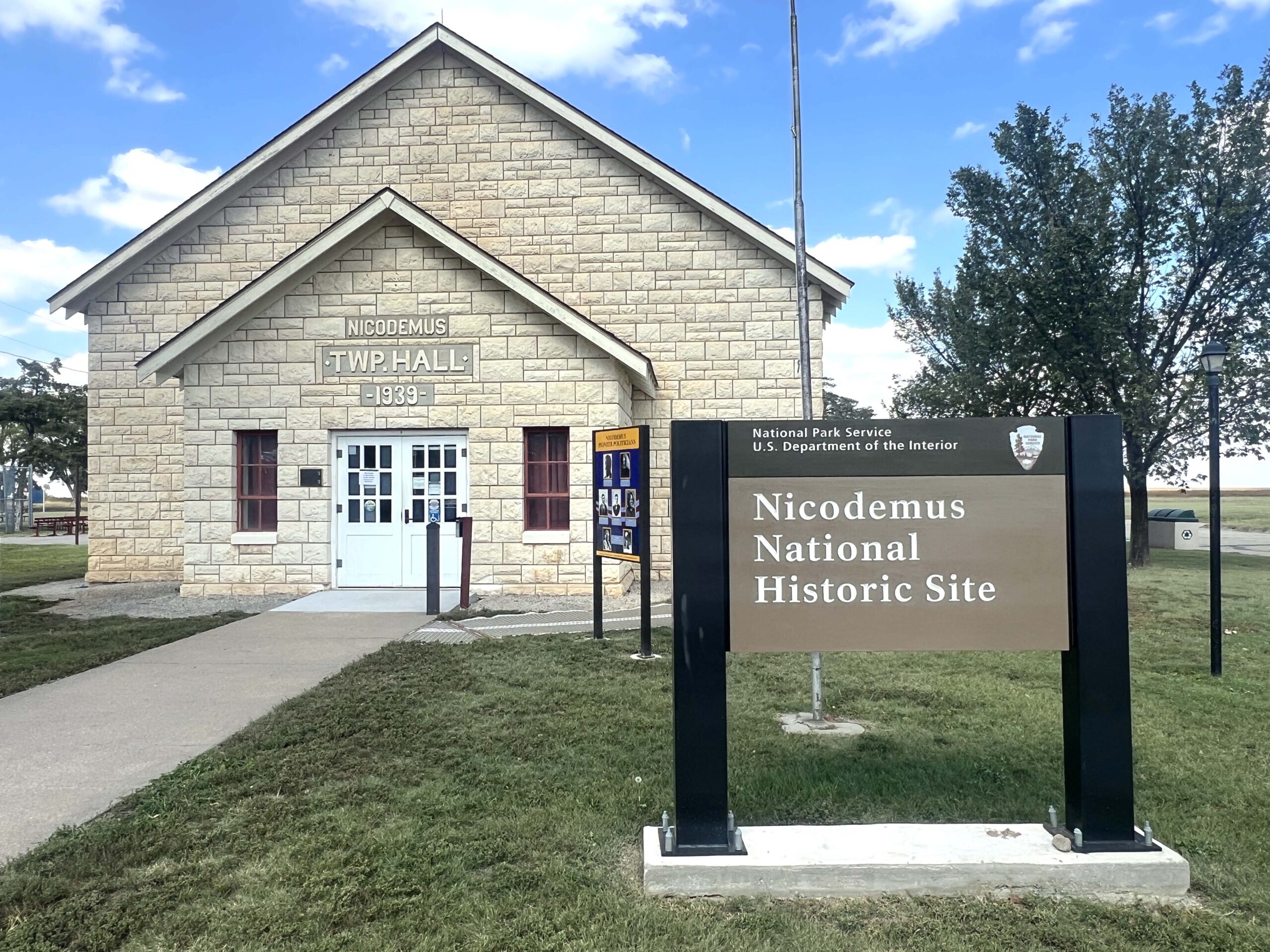
Established in 1877, Nicodemus, Kansas, was founded by formerly enslaved African Americans who migrated to Kansas in search of land. The Nicodemus Historical Museum, a national park site, tells the story of their faith and tenacity in using the prairie to make a living.
Take a tour of five buildings located at the oldest and only remaining Black settlements west of the Mississippi River. In October, Pioneer Day features speakers highlighting the town’s founding residents.
HAYS
Fort Hays State Historic Site
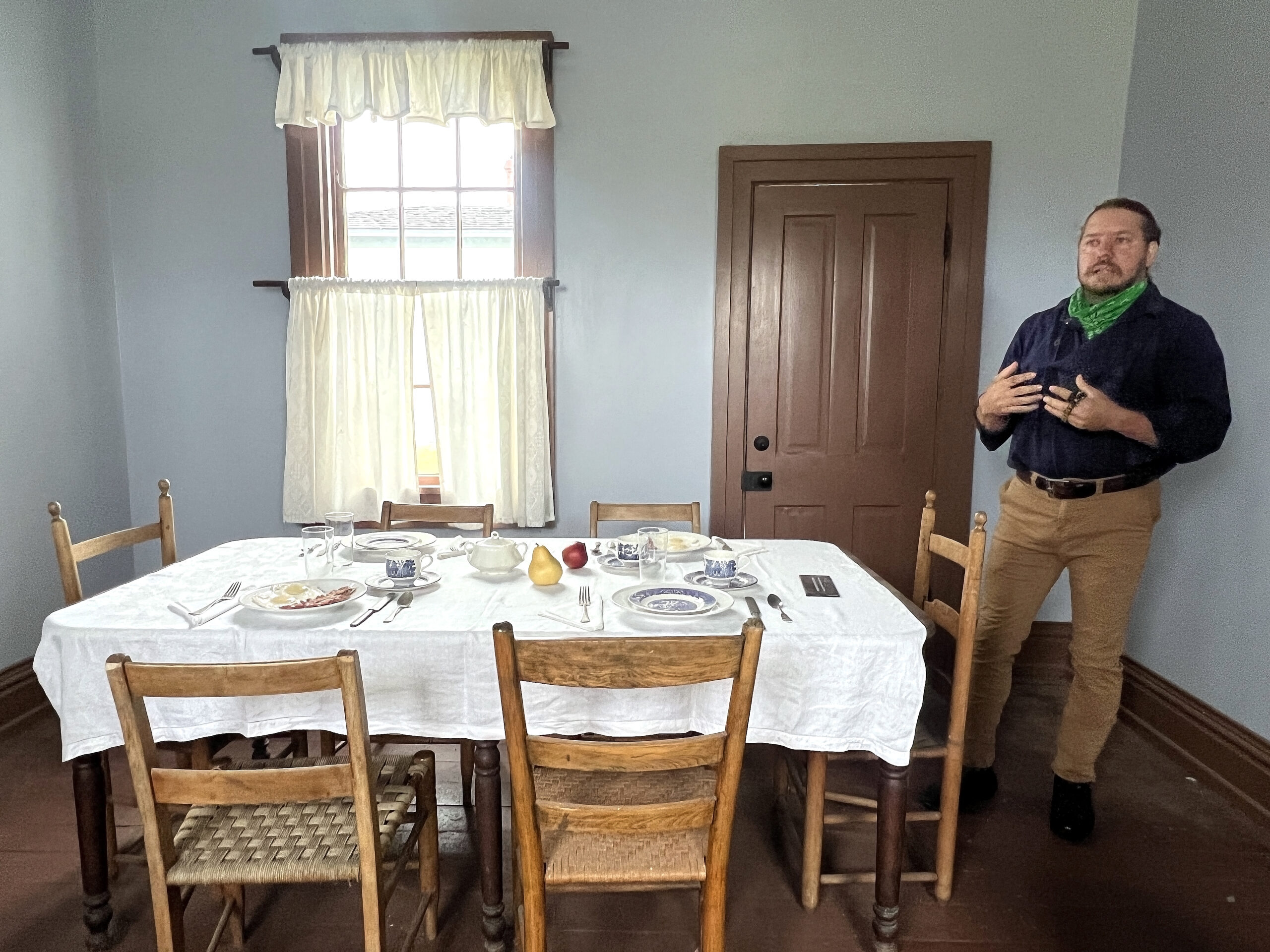
At Fort Hays State Historic Site during my “Voices of Kansas” tour of Hays, I learned about the frontier post’s role in protecting workers building the Union Pacific Eastern Division railway. An exhibit about Chief Black Kettle highlights how the prominent Southern Cheyenne leader worked to promote peace and to negotiate treaties with the U.S. military.
Established in 1865, the visitor center, blockhouse, guardhouse, and officers’ quarters are open for tours. A couple of original officers’ quarters remain from the 11 row houses that once stood.
It is open for tours at no cost every day except Monday and Tuesday. They host a popular Christmas event during the first weekend in December, drawing over 1,500 visitors annually.
MANHATTAN
Flint Hills Discovery Center
Manhattan, situated on the Konza Prairie, is the home of the Flint Hills Discovery Center. An ideal place to learn about the region’s topography, seven indoor interactive exhibits explore Kansas weather and its effect on the ecosystem.
The museum’s Horizon Ranch Flint Hills Immersive Experience Theatre shows a 15-minute film immersing viewers in blowing wind, falling snow, and a light show mimicking a real prairie fire. Other exhibits drive home what it’s like to work as a cattle rancher, from raising livestock to selling it – don’t leave without practicing your auctioning skills.

LA CROSSE
Kansas Barbed Wire Museum
Traditional Twist. One Round-One Square. Razor Ribbon. The names given to various barbed wire designs are as fascinating as their uses.
The Kansas Barbed Wire Museum educates about the history of barbed wire fencing. Used by landowners to keep free-roaming cattle from damaging crops, the twisted metal was also used by railroad companies to keep cattle from straying on the tracks.
LARNED
Fort Larned National Historic Site
One of Kansas’s most important frontier stories unfolds just outside Larned.
A visit to Larned is not complete without a tour of Fort Larned National Historic Site, a living-history museum and fort open daily, just a 10-minute drive from town.
 Before the railroad connected the West, wagon trains traveled the Santa Fe Trail carrying goods, dreams, and determination across the prairie.
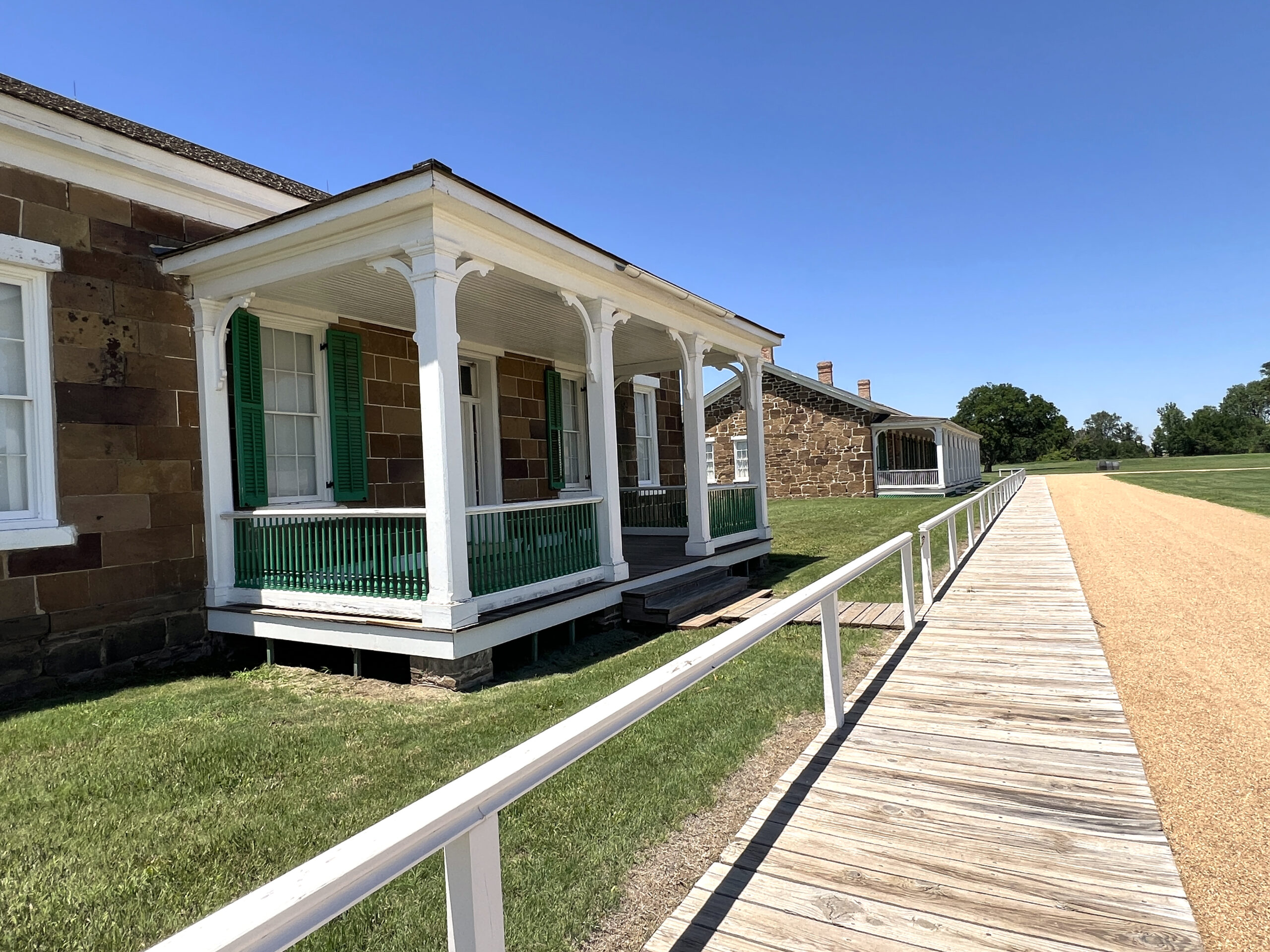
The preserved army post and fort sheltered U.S. troops and protected traffic along the Santa Fe Trail from the 1860s to the 1870s.
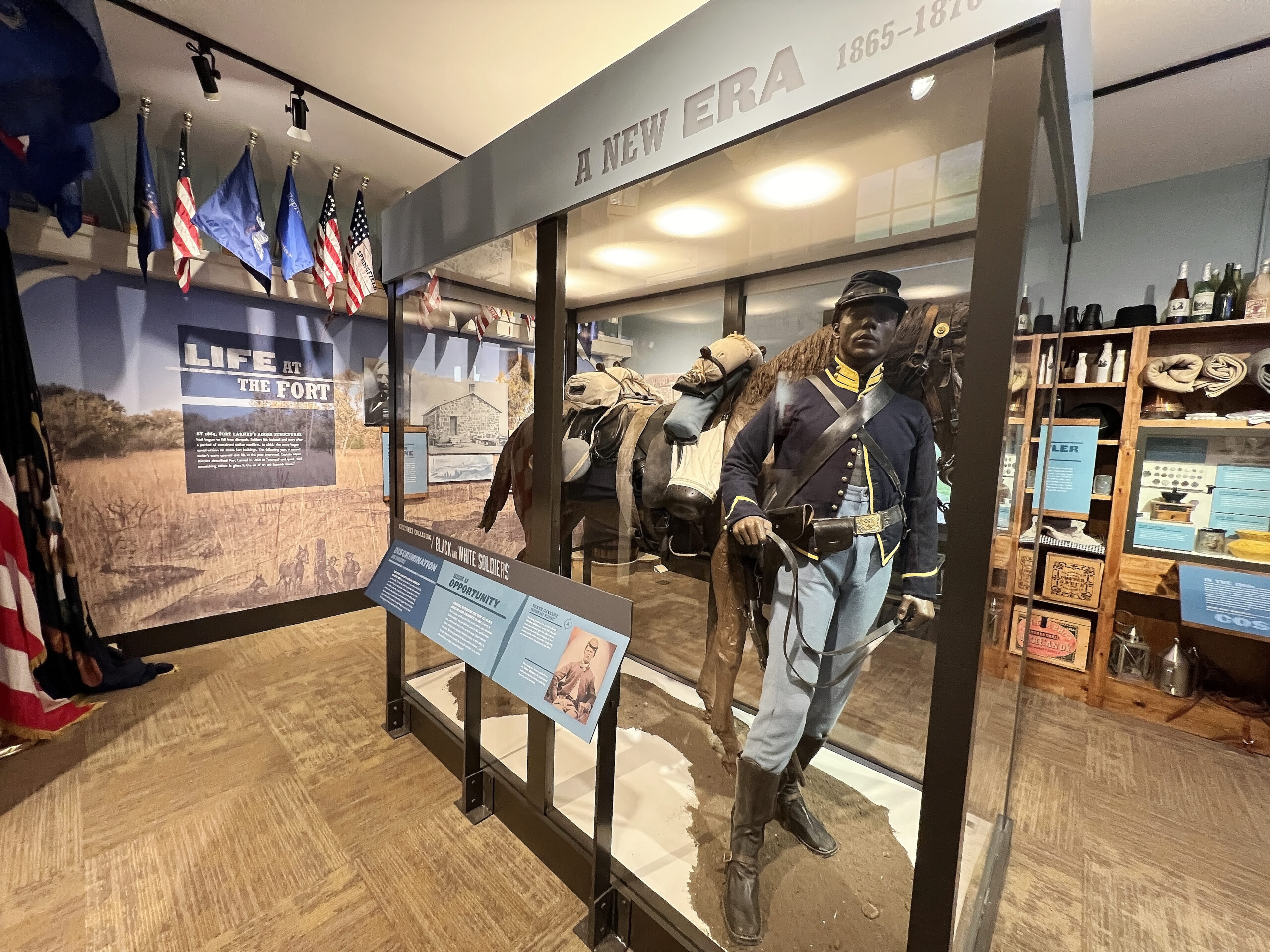 For the most part, the Plains Indians respected the trail’s commerce. However, Kiowa Indians pounced upon Fort Larned on July 17, 1864, stealing over 170 horses and mules, thus creating a reason to escort wagon trains westward thereafter.
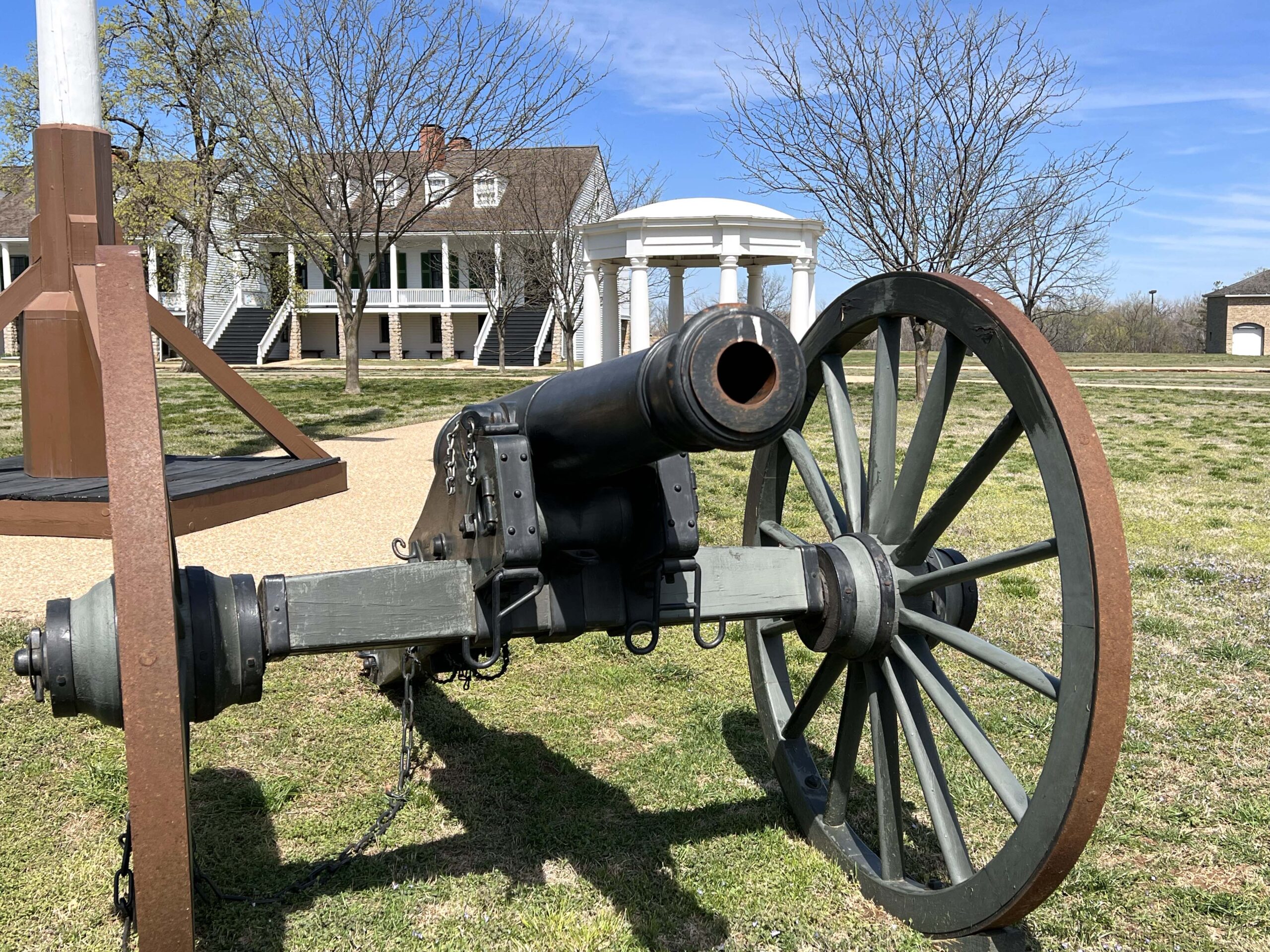
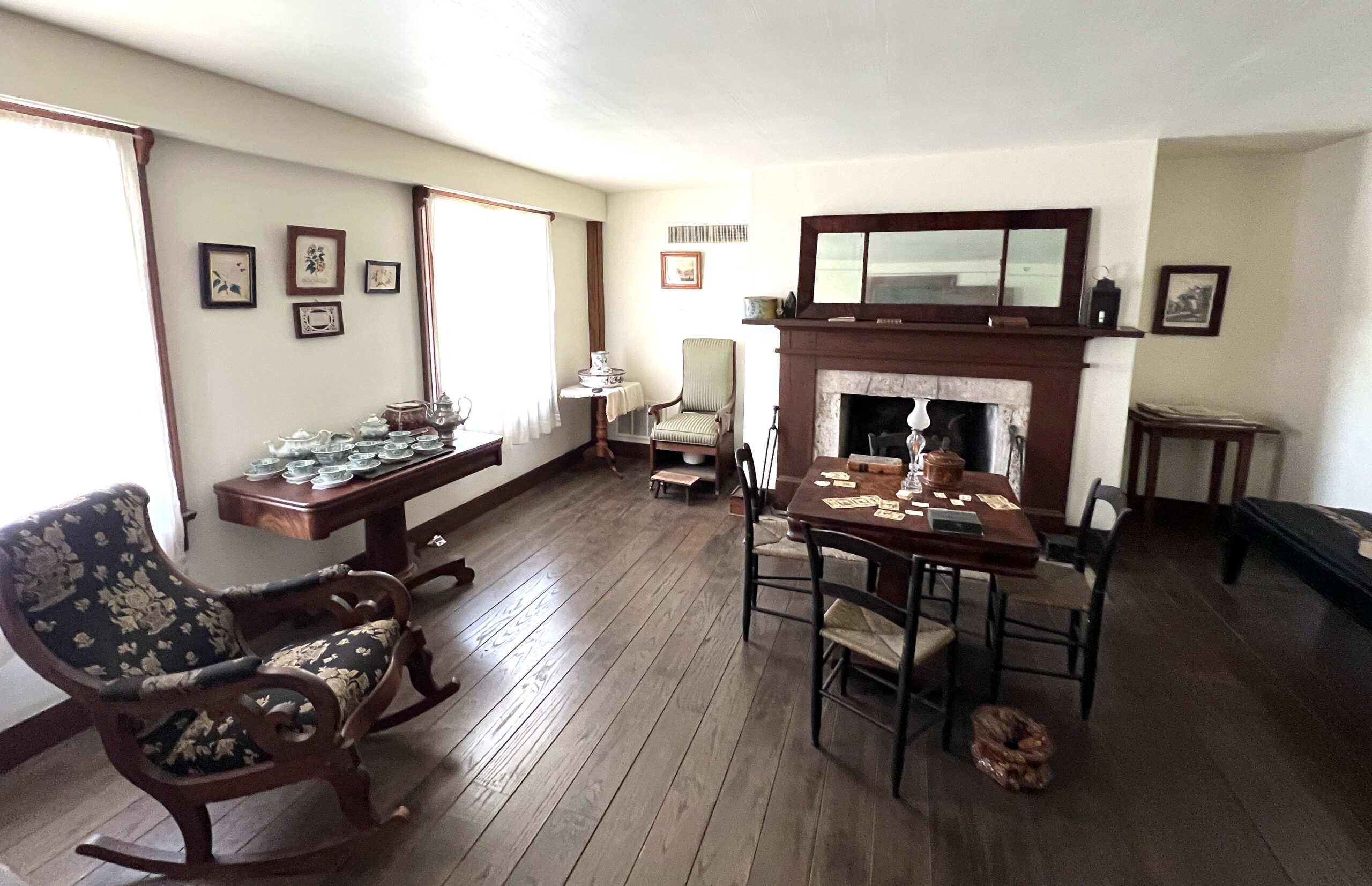
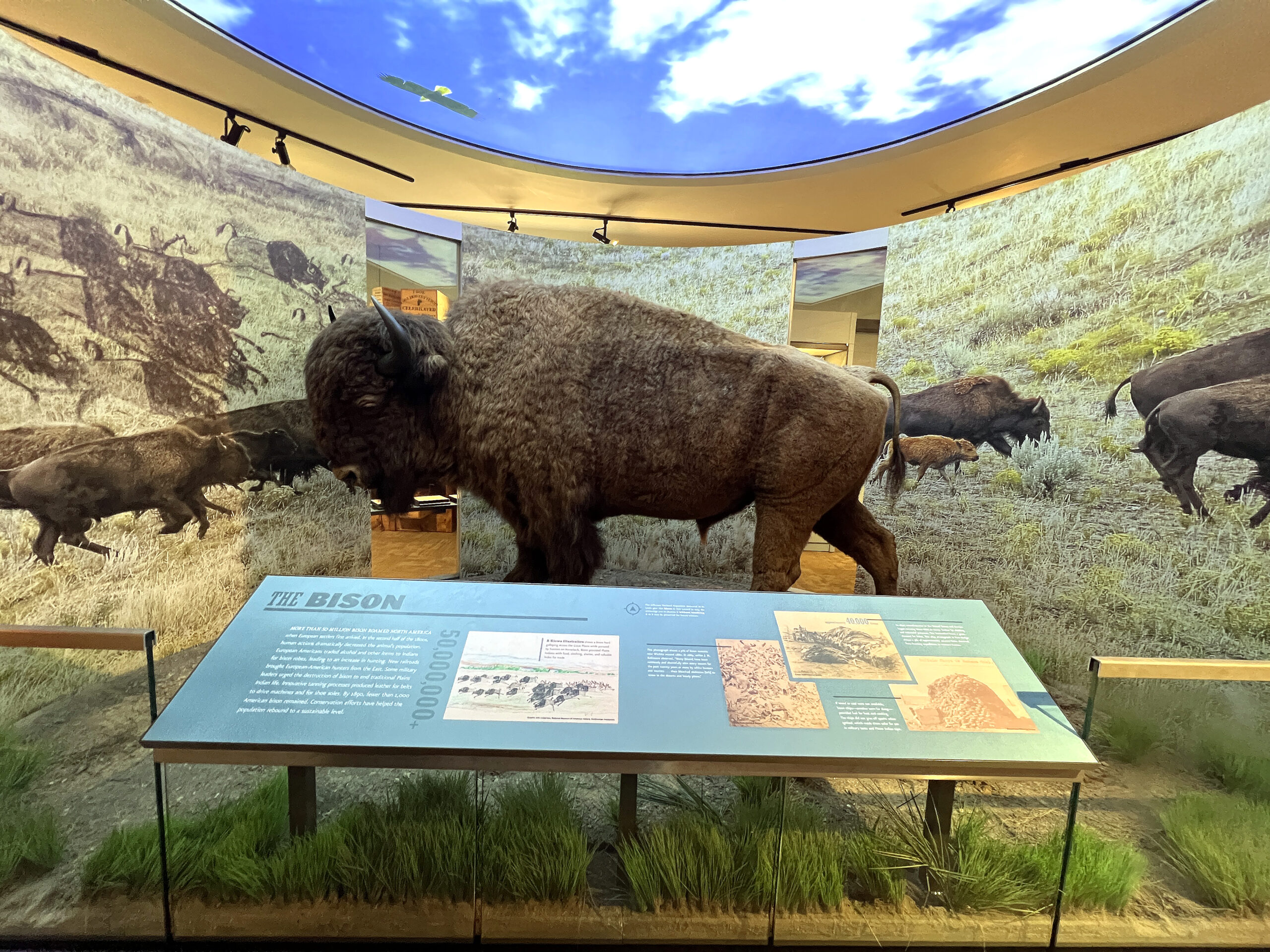 Many of its original buildings and replicas represent the fort’s history today. The best way to explore the fort is to arrange a 45-minute guided tour with a park ranger in advance, starting at the visitor center.
LYONS
Coronado Quivira Museum
The year was 1541, and Francisco Vasquez de Coronado was on a mission to find gold. The Spanish explorer and his men traveled through Kansas on this quest. Although unsuccessful, Coronado left an impression (and a few artifacts behind!).
The Coronado Quivira Museum also documents Quivira, an ancestral province of the Wichita tribe near Lyons that Coronado discovered during his visit.
TOPEKA
Kansas Museum of History
The Kansas Museum of History offers visitors perhaps the most robust account of Kansas’s early days, chronicling the lives of Native Americans, the impact of the Civil War, and the effects of the Bleeding Kansas saga.
Glass cases house Native American artifacts serving as symbols of tribal life. Peering into a covered wagon helps visitors envision traveling as a family on the desolate plains westward with hope in their hearts. Everything changed with the development of Kansas railroads, and a tour inside a locomotive reminds visitors of its expansion from east to west in the 1860s.

ABILENE
Old Abilene Town
Abilene, a stop on the Chisholm Trail, is an original Wild West location. Old Abilene Town is a living history museum depicting what people experienced during the town’s cattle-driving days.
Visitors can watch can-can dancers hoot and holler or gunfighters duke it out in the street in the summer. What must it have been like for drovers to move Texas livestock through town? A live longhorn cattle walk through downtown Abilene during Chisholm Trail Days during Labor Day Weekend to recreate history.
 A visit to Old Abilene Town on any given day of the year is worthwhile, serving as a backdrop for photos.
SHAWNEE
Shawnee Town Museum
Another living history museum, Shawnee Town Museum, familiarizes visitors with a typical day in the 1929 farm community. Many buildings are replicas; however, a walk through an original 1878 farmhouse resembles how a family would have lived. Greet chicken outside in the coop or smell the aroma of the smokehouse before touring the Market Shed, where homemakers sold goods.
Old Shawnee Days, an annual fair in early June, draws a large crowd for its nostalgic parade, vendors, and amusement park rides.

BONNER SPRINGS
National Agriculture Center and Hall of Fame
Curious about how farmers work the land? The National Agriculture Center and Hall of Fame in Bonner Springs displays 20,000 square feet of antique farm machinery, while the Art Gallery showcases depictions of farm life. Tour the Agricultural Hall of Fame and Farm Town USA to understand how farm families persevered fully.
Don’t miss the Barnyard Babies Family Festival in late April, which allows kids to see animals and farm equipment and ride a train or pony.
 Interested in machinery? At the Tractor Cruise in May, dozens of tractors drive a 40-mile loop through the county.
REPUBLIC COUNTY
Pawnee Indian Museum State Historic Site
One of the 8 Wonders of Kansas finalists, the Pawnee Indian Museum State Historic Site offers visitors an opportunity to learn about the tribe’s settlements and early 1800s lifestyle. The Republic County museum is constructed around a preserved original dome-shaped earth lodge. Walking through its interior, one can see areas dug to store dry goods, a fire pit, and charred wood pieces.
The museum experience is self-guided unless visitors attend special events, which include Mountain Man Rendezvous and Kansas Day activities. During the fall season, after-dark tours occur.

MARYSVILLE
Pony Express Barn & Museum
What was it like to live during a time when a horseman delivered letters to alert town officials of essential events in the 1860s? Part museum, part stable, a visitor’s tour starts by viewing a 15-minute film about the Old West tradition before perusing exhibits ranging from illuminated dioramas to livery stable artifacts.
Children will appreciate hands-on activities, from touching animal pelts to donning cowboy garb for a photograph.
The Pony Express Barn & Museum in Marysville is the only remaining original station on the route, located between Missouri and California.

OLATHE
Mahaffie Stagecoach Stop & Farm Historic Site
The true grit of the 1860s frontier comes alive at the only working stagecoach stop left on the Santa Fe Trail. A portal back in time, the Living History Museum and Agricultural Heritage Livestock Barn set the scene at the Mahaffie Stagecoach Stop & Farm Historic Site.
Stand in awe as horses plow a field or watch as a cookstove prepares a meal. The clip-clop sound of horses’ hoofs signals that stagecoach rides are underway – a must-have experience in Olathe.
WELLINGTON
Chisholm Trail Museum
At the Chisholm Trail Museum in Wellington, over 20,000 artifacts displayed in thematic rooms document the story of cattlemen and some of the area’s first pioneer families. The town was a central stop on the Chisholm Trail between Texas and Abilene, Kansas, in 1867.
Admire the embroidered leather work of an authentic saddle, view original photography, or read the names of barbed wire before touring a room dedicated to 1875 pioneer living. Outside, a replica of a Texas Longhorn is a photo-worthy sight.

WICHITA
Great Plains Nature Center
At the Great Plains Nature Center, visitors of all ages learn about the animals and fauna that call Kansas home. Animal exhibits and interactive displays document the evolution of prairies, wetlands, and woodlands. Events, often including children’s activities, regularly occur at the center in Wichita.
Ready for a stroll outdoors? Surrounded by Chisholm Creek Park, visitors can listen to chirping birds while touring preserved native grassland where free-roaming deer and turkey make their home.

Mid-America All-Indian Center
Several Indigenous tribes resided near the Arkansas River in Wichita before it became an incorporated city. The Mid-America All-Indian Center, which preserves American Indian heritage while honoring its present, is often the site of rotating art exhibits, dinners, and powwow events.
Its permanent display of Blackbear Bosin’s artwork is an homage to his iconic Keeper of the Plains sculpture on the plaza. Fiery cauldrons ignite at its base at 9:00 pm (spring and summer) and 7:00 pm (fall and winter).

Wichita-Sedgwick County Historical Museum
Entering the doors at the Wichita-Sedgwick County Historical Museum, one is stepping inside Wichita’s first city hall, built in 1890. Four floors of exhibits help visitors imagine what it was like when Indians settled in Wichita and how businessmen made it into a boom town.
Touch a bison hide while learning about hunters and traders who visited the one-time cattle town. Inside “A Wichita Cottage,” a replica middle-class room depicts the wealthy’s way of life. Around the corner, the Mayor’s Office is set up to resemble where businessman-turned-mayor John B. Carey made important decisions.

Old Cowtown Museum
Watch 1800s-era life in real-time at Old Cowtown Museum, a living history museum where interpreters dress in period costumes to portray Kansas life. During the regular season (April-October), cowboys kick up dust on Main Street, saloon girls dance on stage, and shopkeepers demonstrate their craft.
Visitors can take self-guided tours of 54 buildings, many of which are original structures. The Munger House, considered the first Wichita home, gives new meaning to Home on the Range.
The creaky wood floor, low ceilings, and smell of the Kansas prairie envelop visitors.

SCOTT CITY
El Quartelejo Museum
The studio’s local Native American and pioneer history continues at the El Quartelejo Museum, where the story of those who settled in western Kansas is told. The El Cuartelejo Ruins, built by the Pueblo Indians in Scott County, are well documented.
Take in exhibits dedicated to the Santa Fe Trail and the cattle industry to learn about how later residents used land as a resource. Photography drives home the impact of weather events on local farmers.

COFFEYVILLE
Dalton Defenders Museum
“Give me all the money!” The Dalton Gang consisted of three brothers/cowboys who robbed banks. But they were no match for Coffeyville’s residents, who fought back. The Dalton Defenders Museum‘s theater room and exhibits document the story and serve as a tribute to the citizens who died defending the town.
Visitors are encouraged to look inside glass cases housing the gang’s guns, saddles, and swatches of their clothing. Outdoors, a walk down Dalton Death Alley helps one imagine where the outlaws tied their horses before the bank raid.


Don’t leave for a road trip without packing the car with my travel-worthy gear for the ride, which also includes pet-friendly essentials if you travel with your pup.


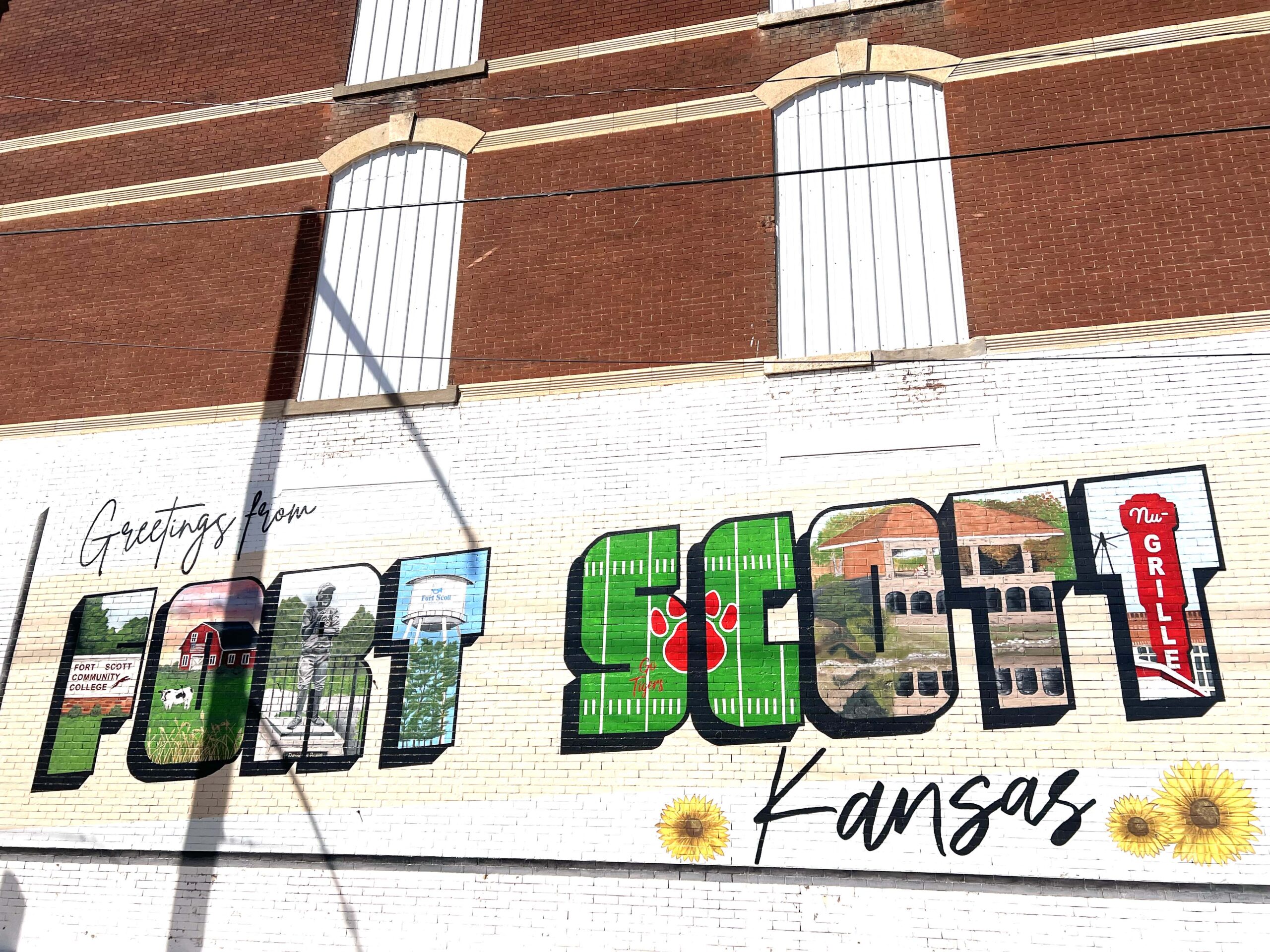
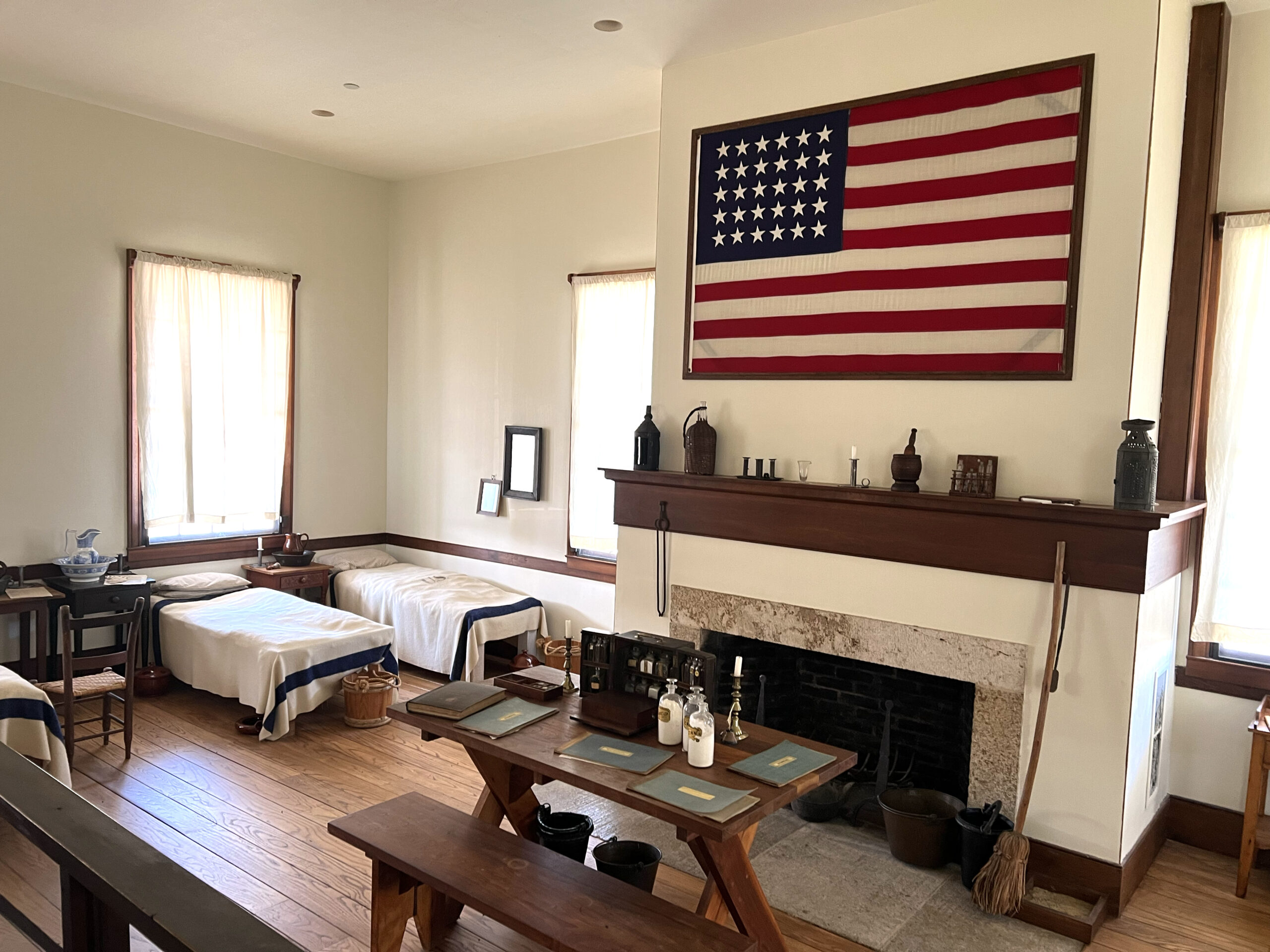
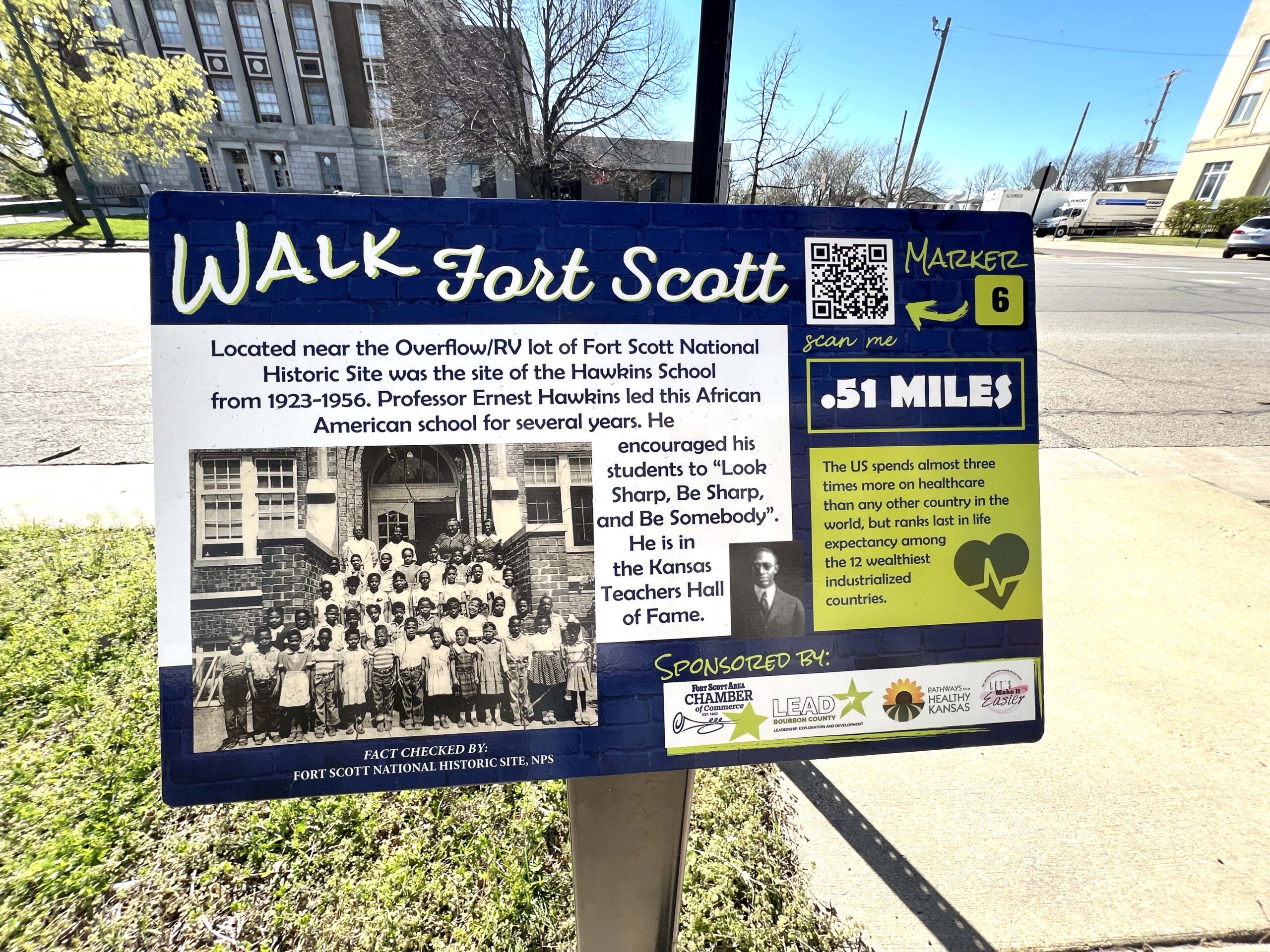
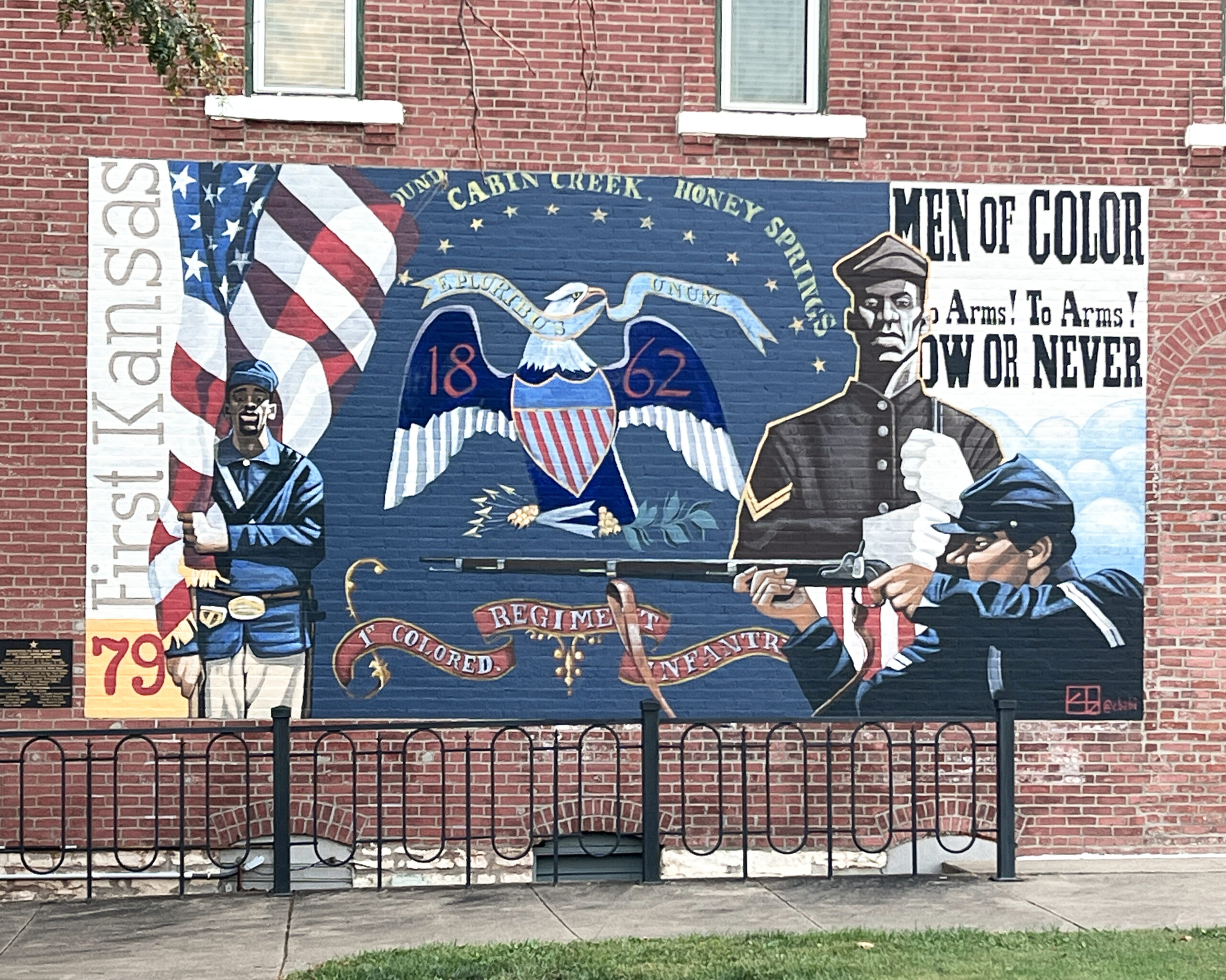 BONUS: Before departing from the historic site area, look across the street at the mural, “First Kansas Colored Infantry” painted by artist Cbabi Bayoc in 2023. Click
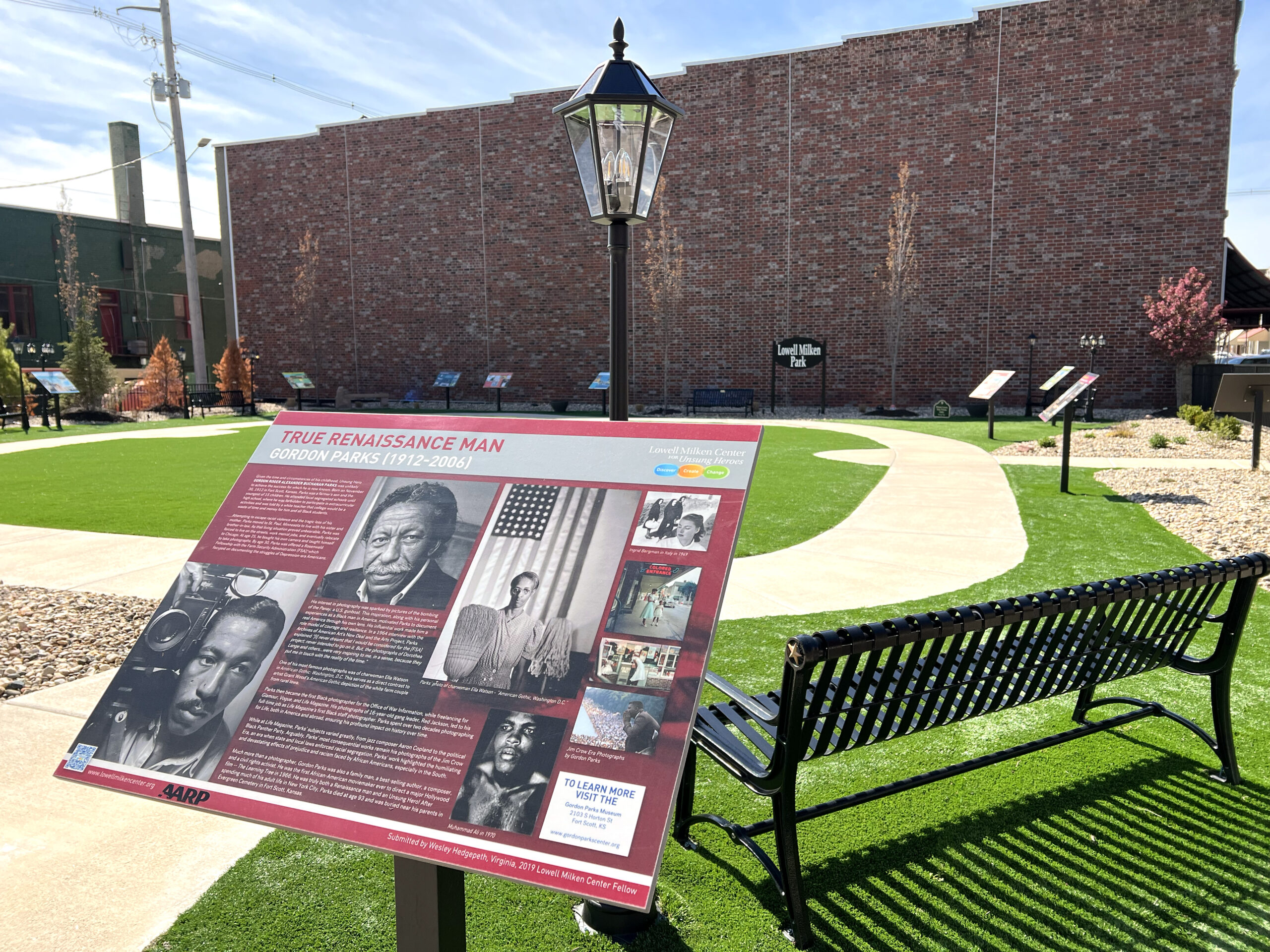
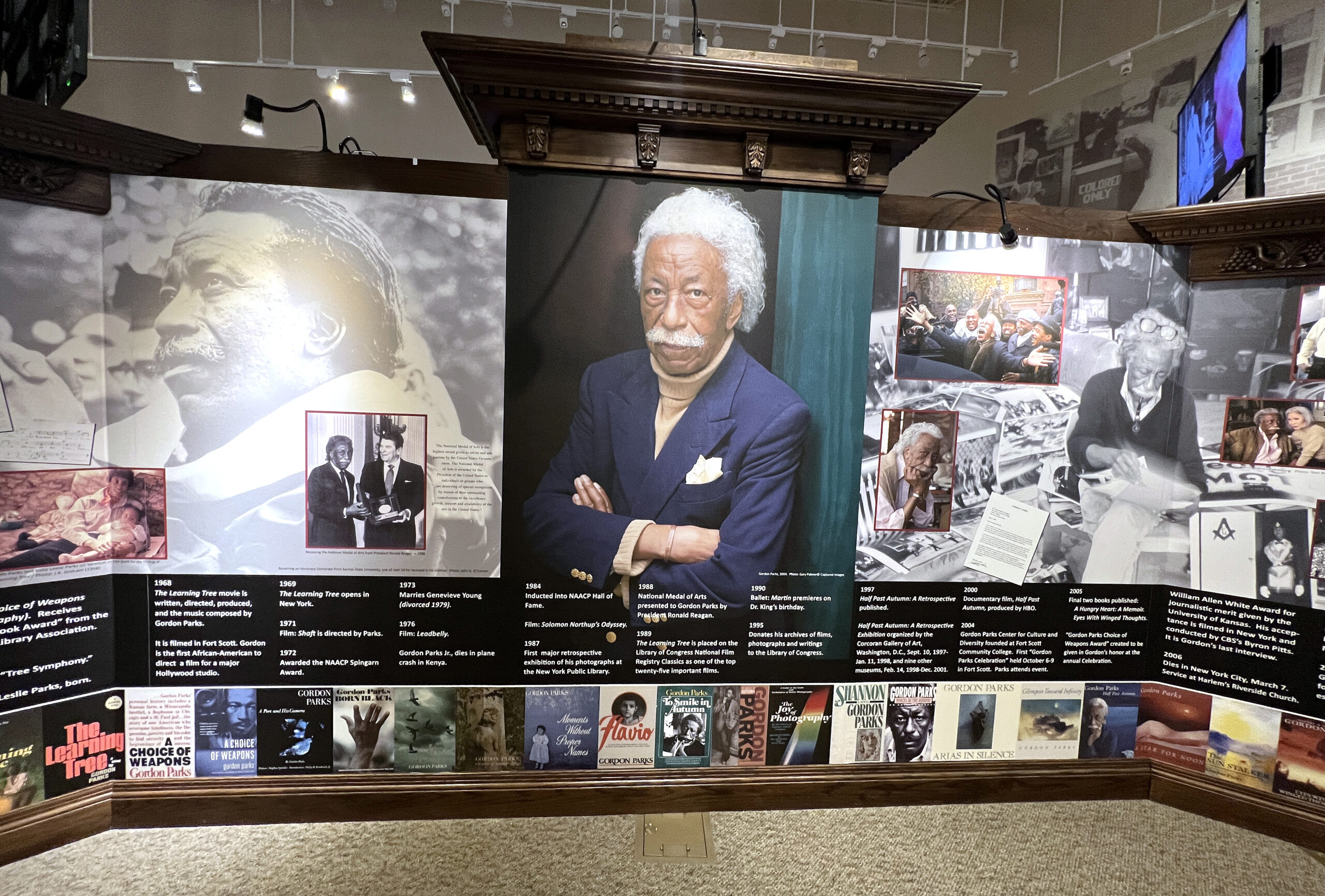 A major fan of his work and a previous photography teacher, I was elated to tour the museum to glimpse Parks’ cameras, his framed photography, and to view a replica of Park’s New York City apartment.
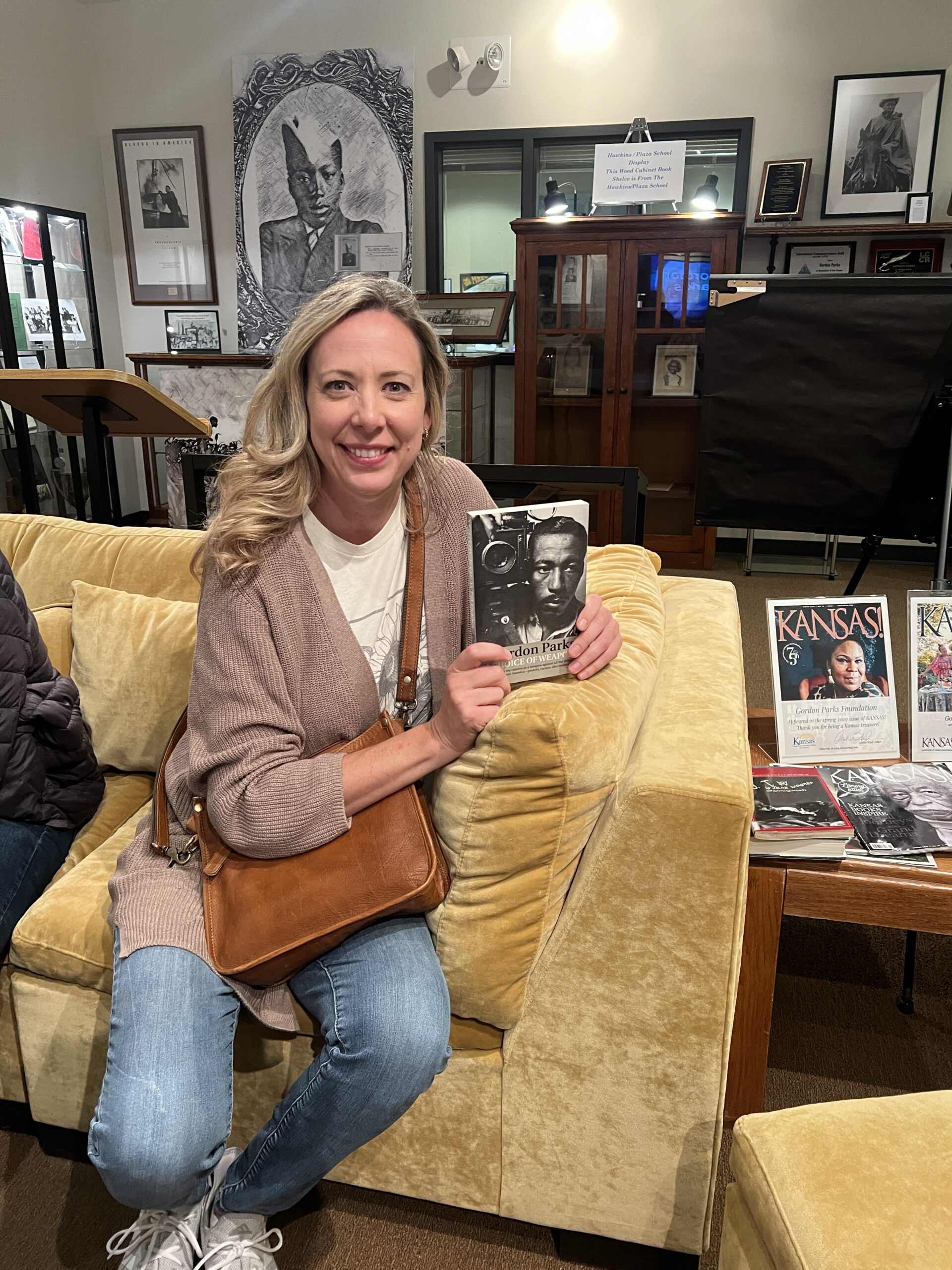 Our group was fortunate enough to have a guided tour by the museum’s director, who informed us about the international impact Parks’ work as a photographer had, but also as a filmmaker, writer, and musician. Parks taught himself how to do it all.
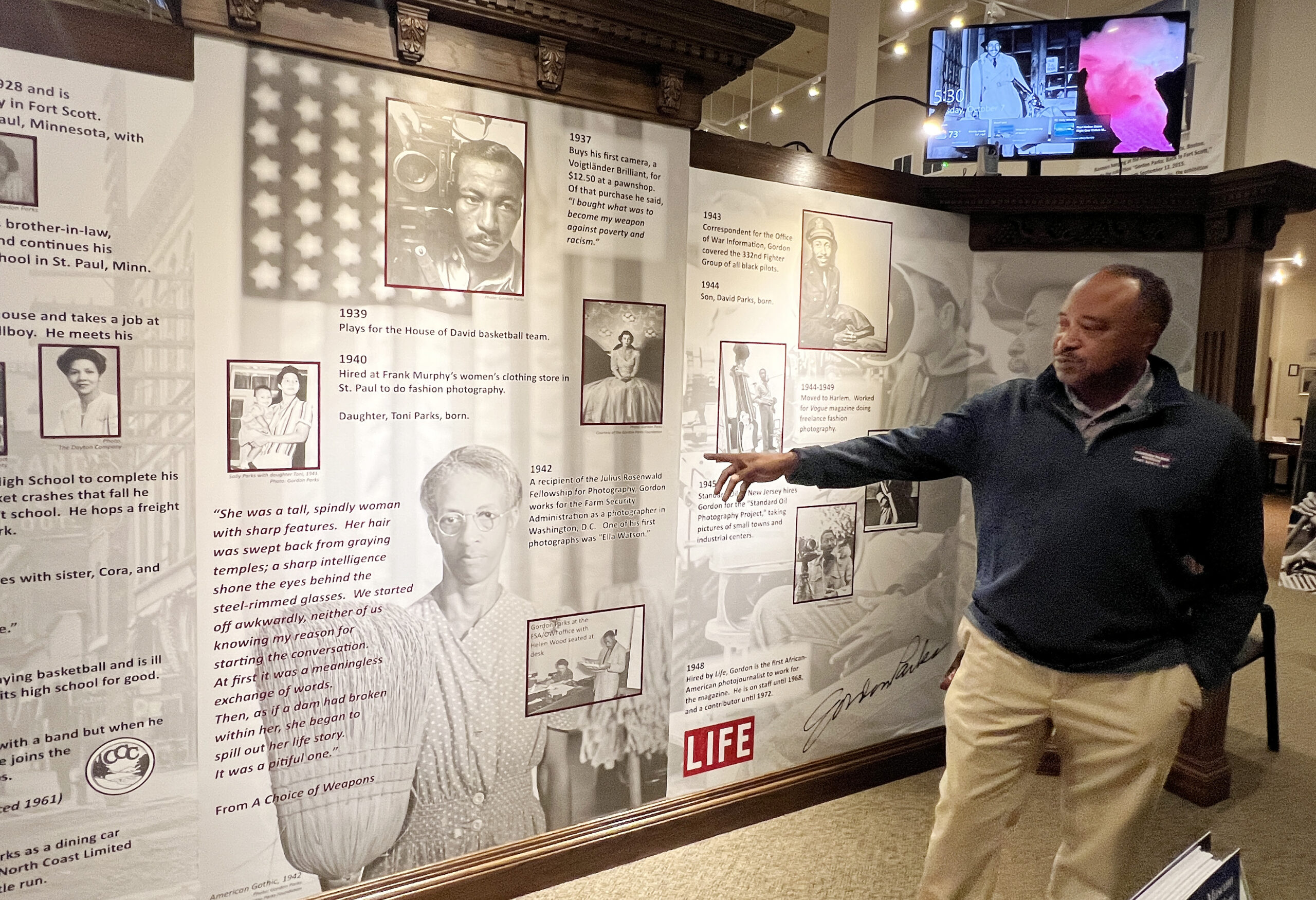 Later, we went on a special guided
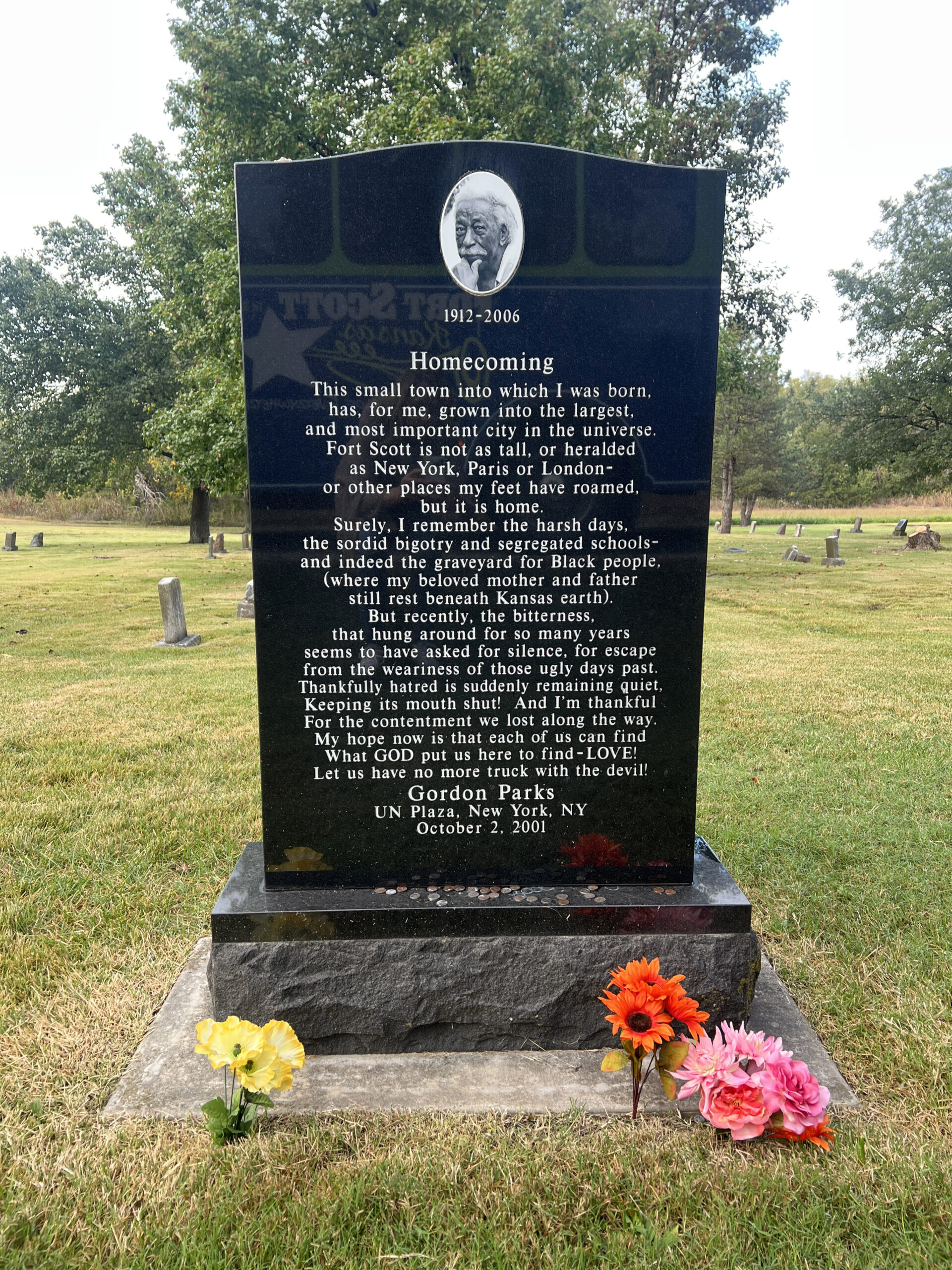
 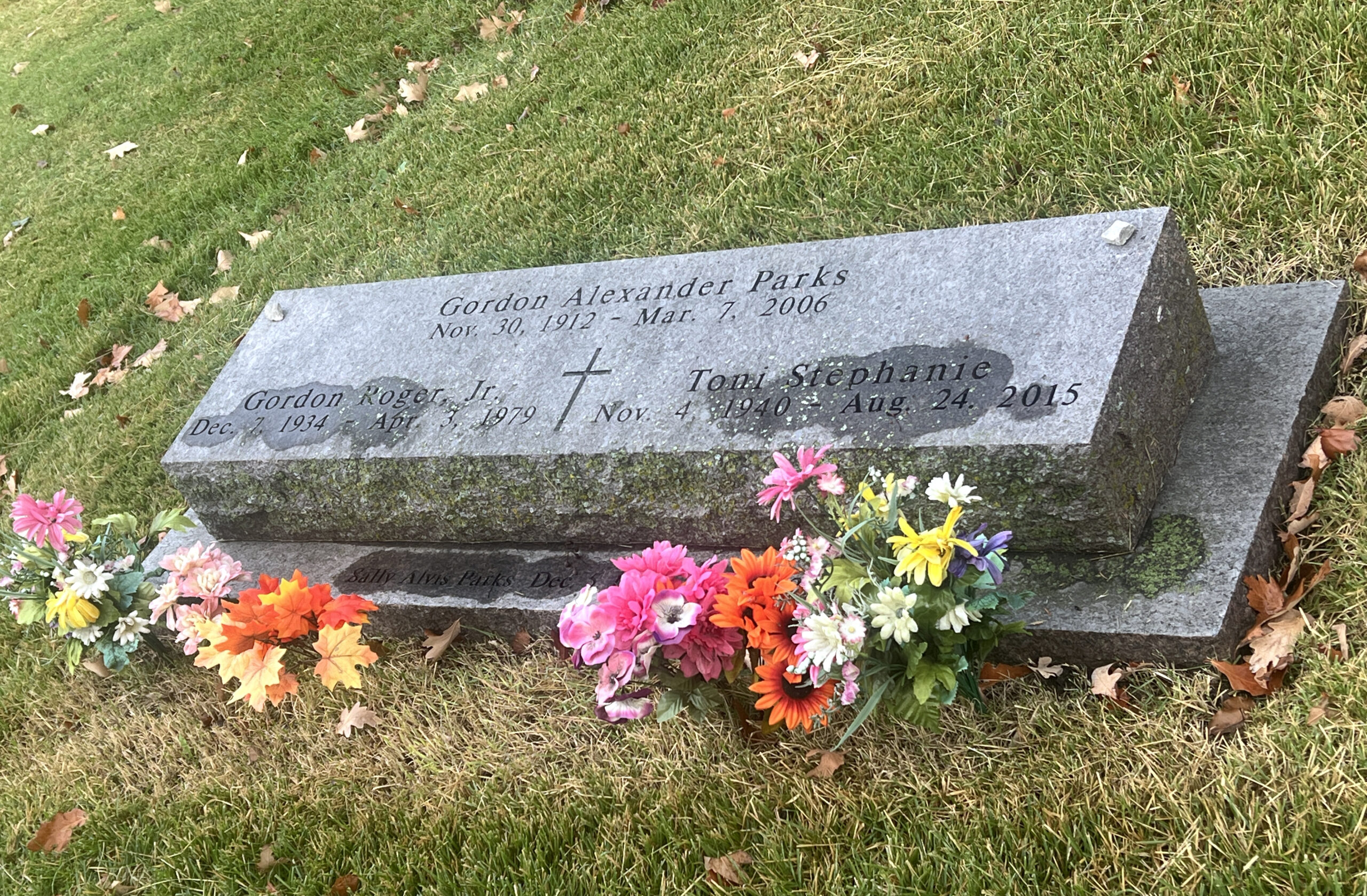 Born in Fort Scott, he lived in the Kansas town for the first 16 years of his life only to return later to document the town in a photo essay. He filmed scenes for his movie The Learning Tree at Gunn Park, which was also included in our tour. He wrote the screenplay, directed, acted, produced and wrote the musical score for the semi-autobiographical film.
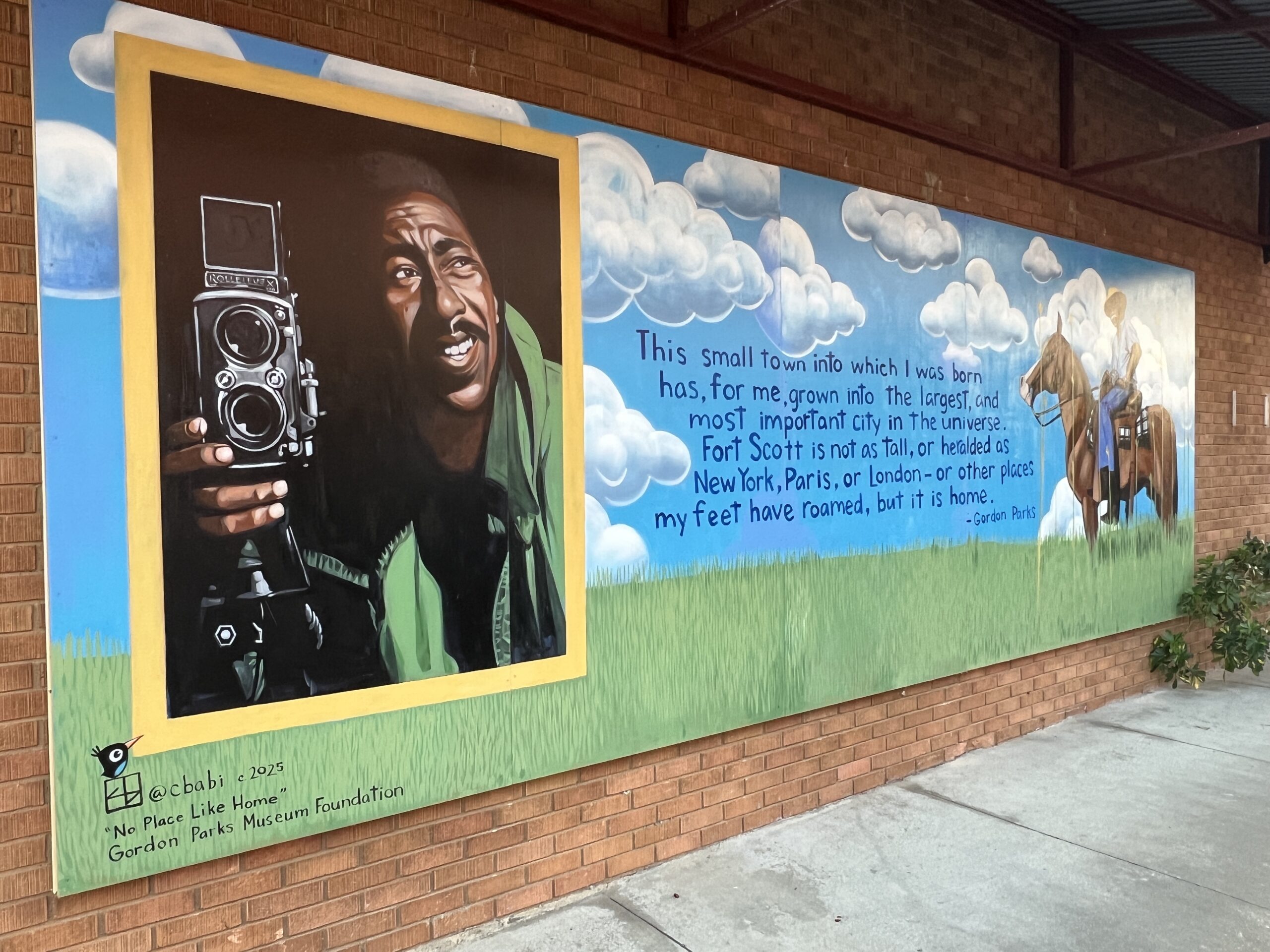
 Another stop of our tour took us to a mural depicting Parks painted by artist Cbabi Bayoc. Located at 18 E. Wall Street, Tribute to Gordon Parks “No Place Like Home” includes a portion of his Homecoming poem.
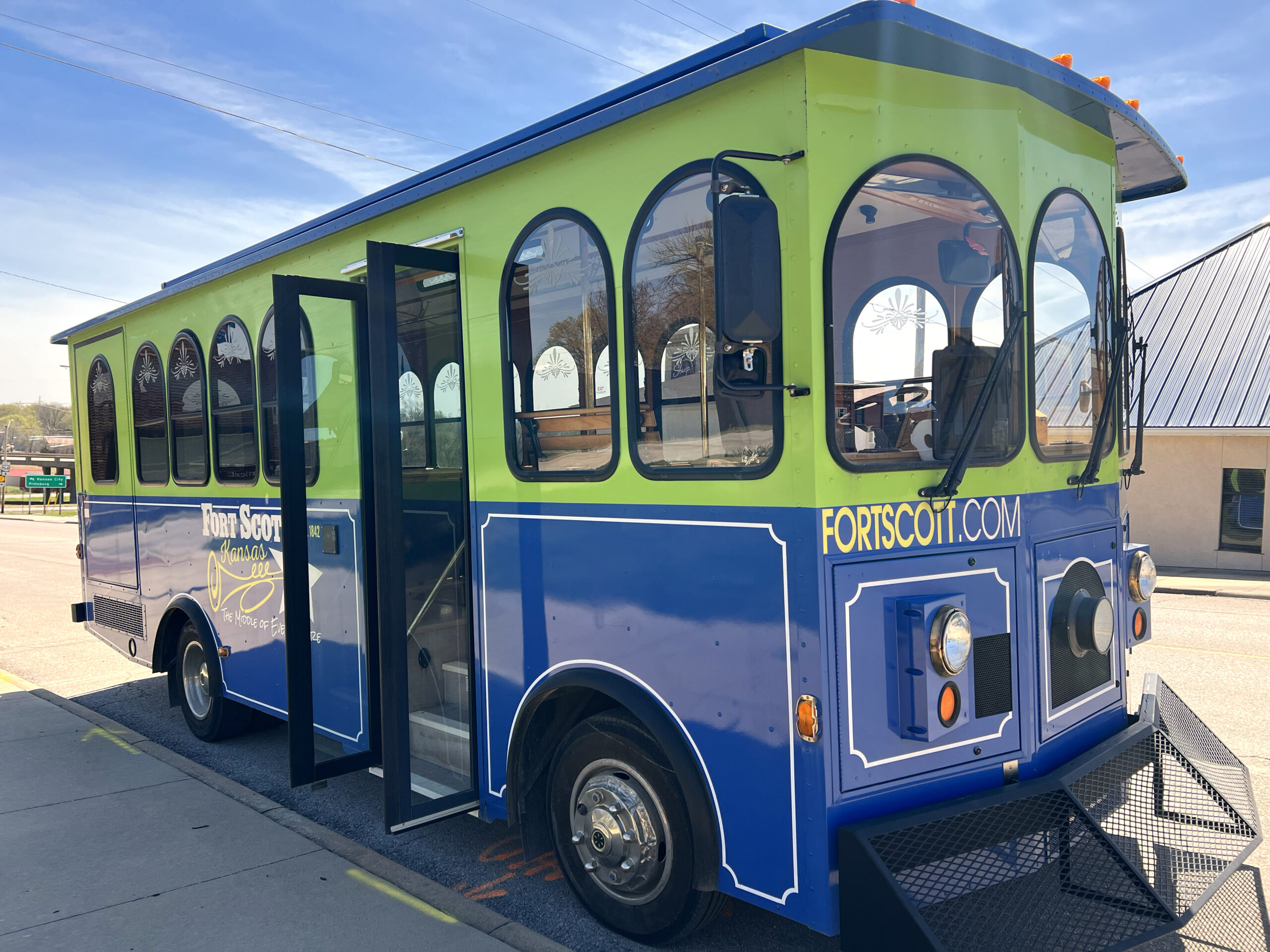
 Lastly, our trolley tour ended with a visit to the town’s newest tribute, the
 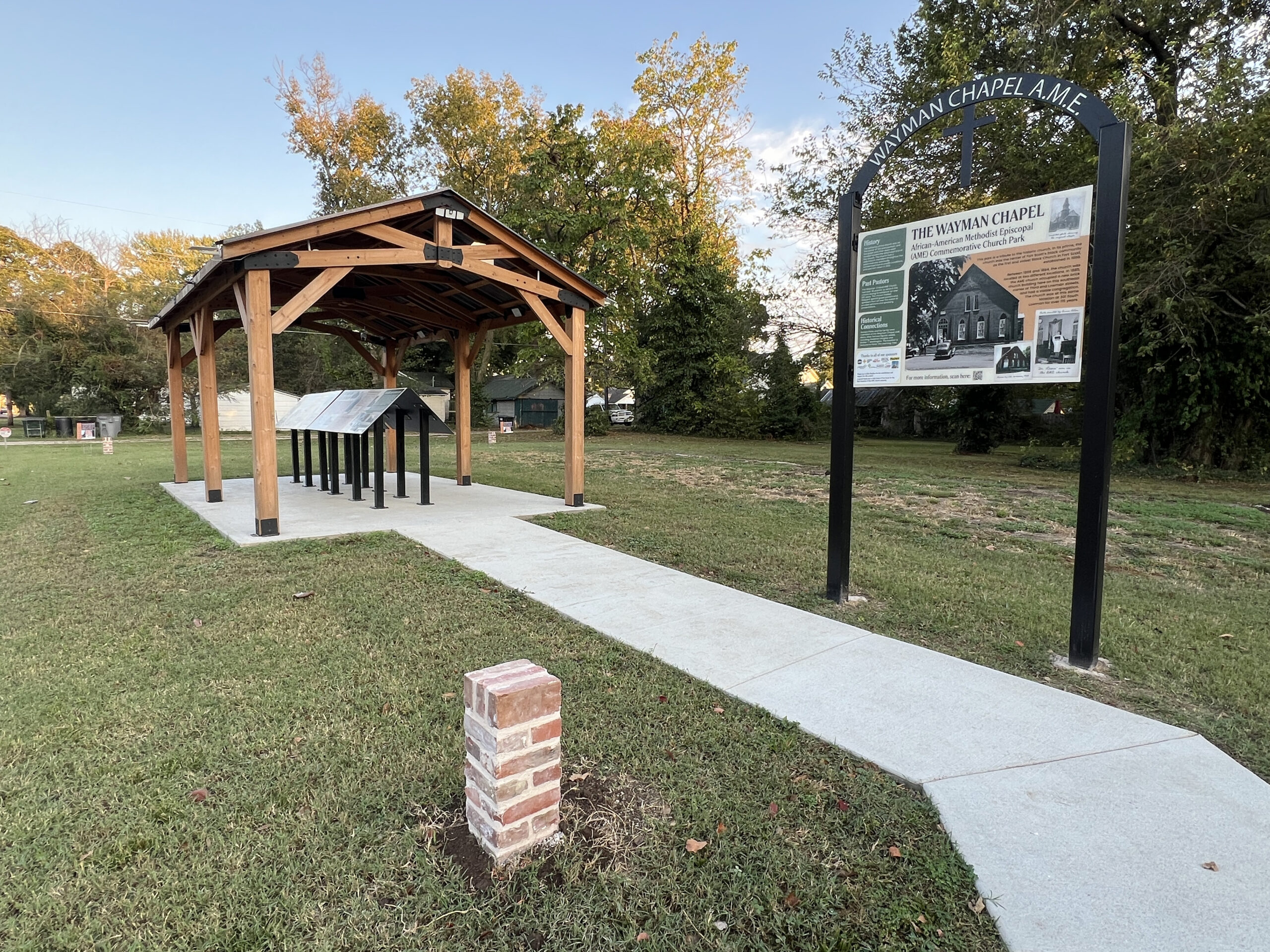 Interpretive panels inform about the church’s namesake, Bishop Wayman, previous pastors, and a timeline of events documents its history.
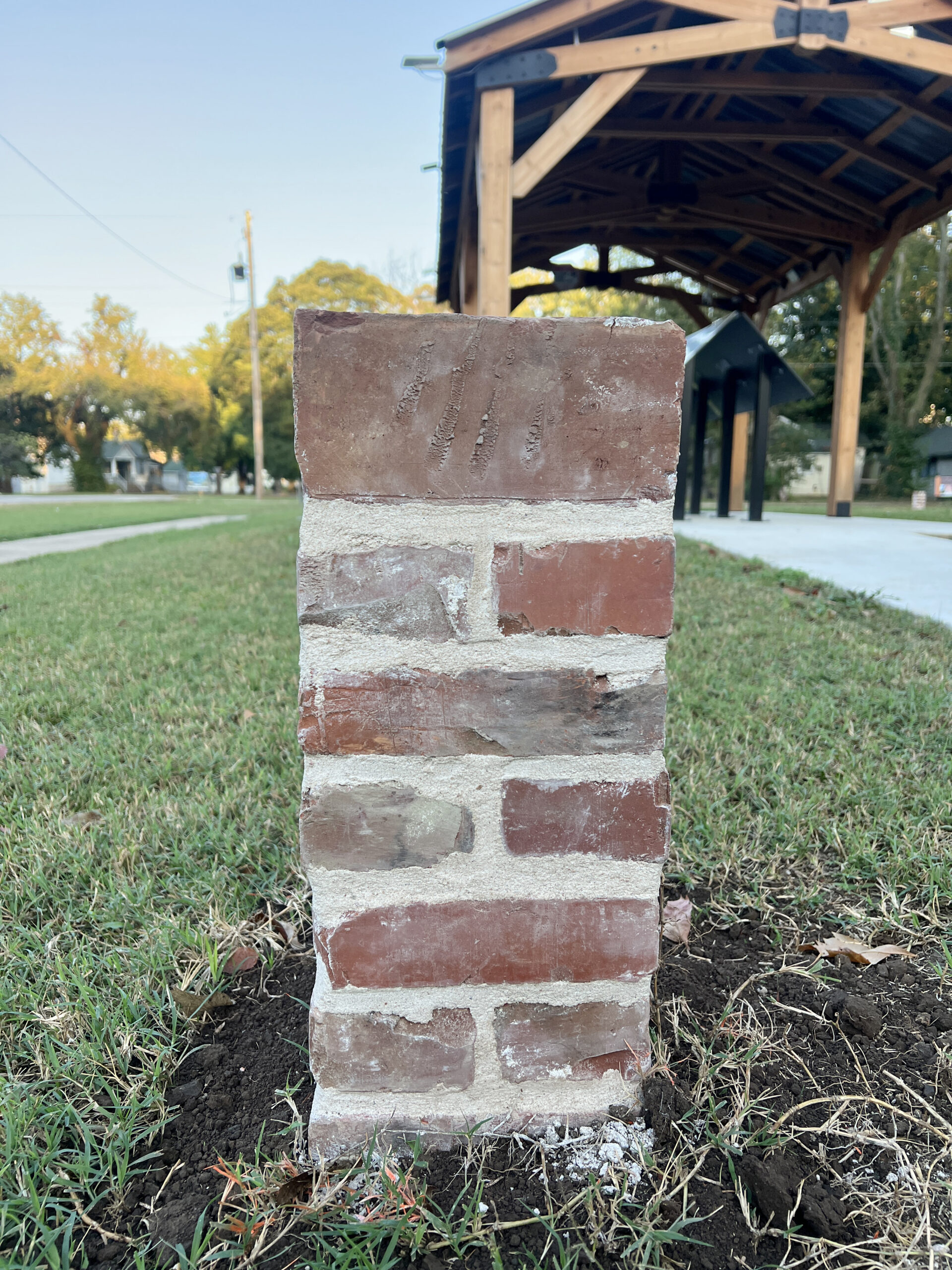 A bricklayer’s fingerprints can still be seen in the church’s original bricks, which were added to the Wayman Chapel African American Methodist Episcopal Commemorative Park established on the site where the church once stood.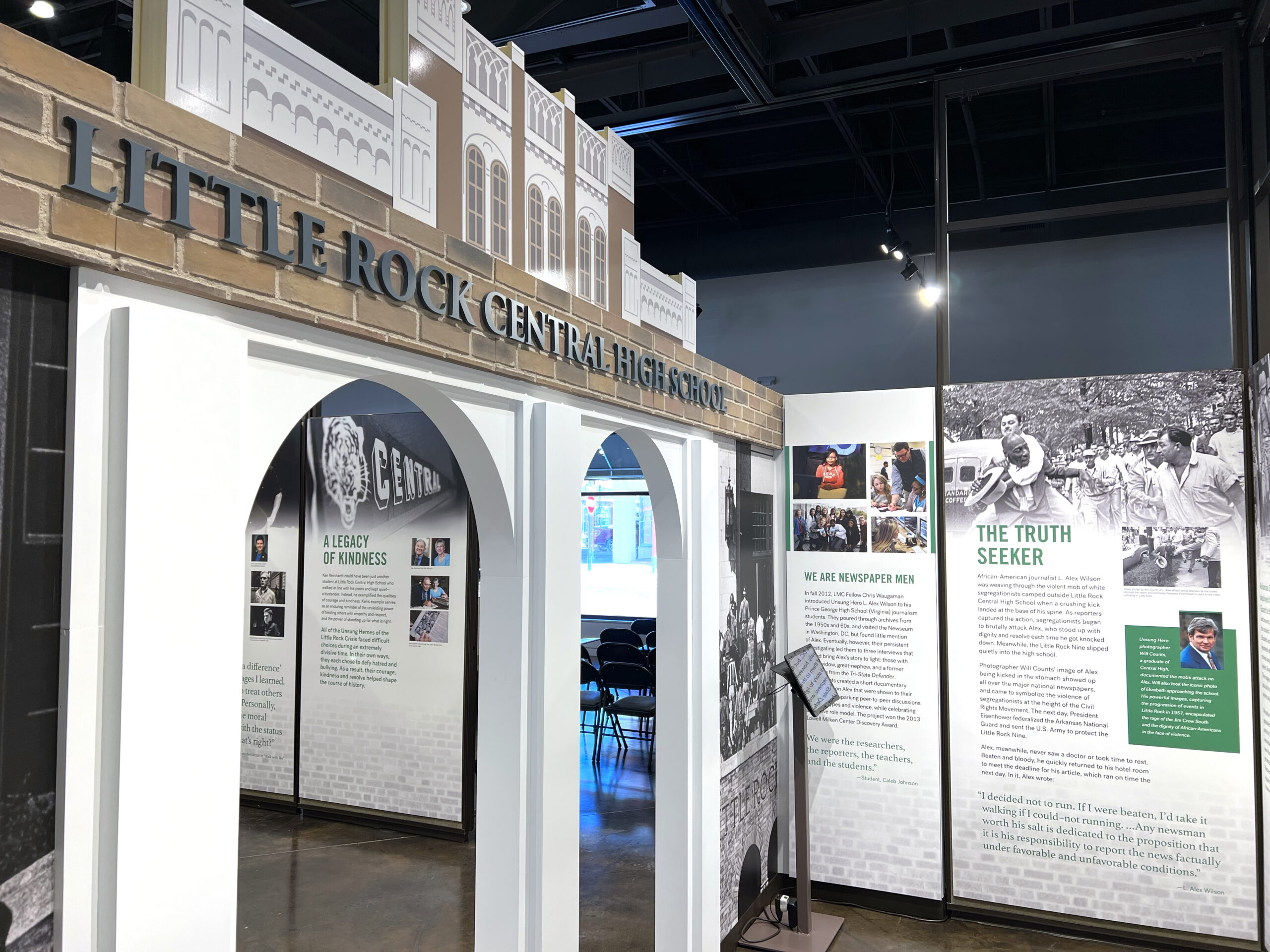
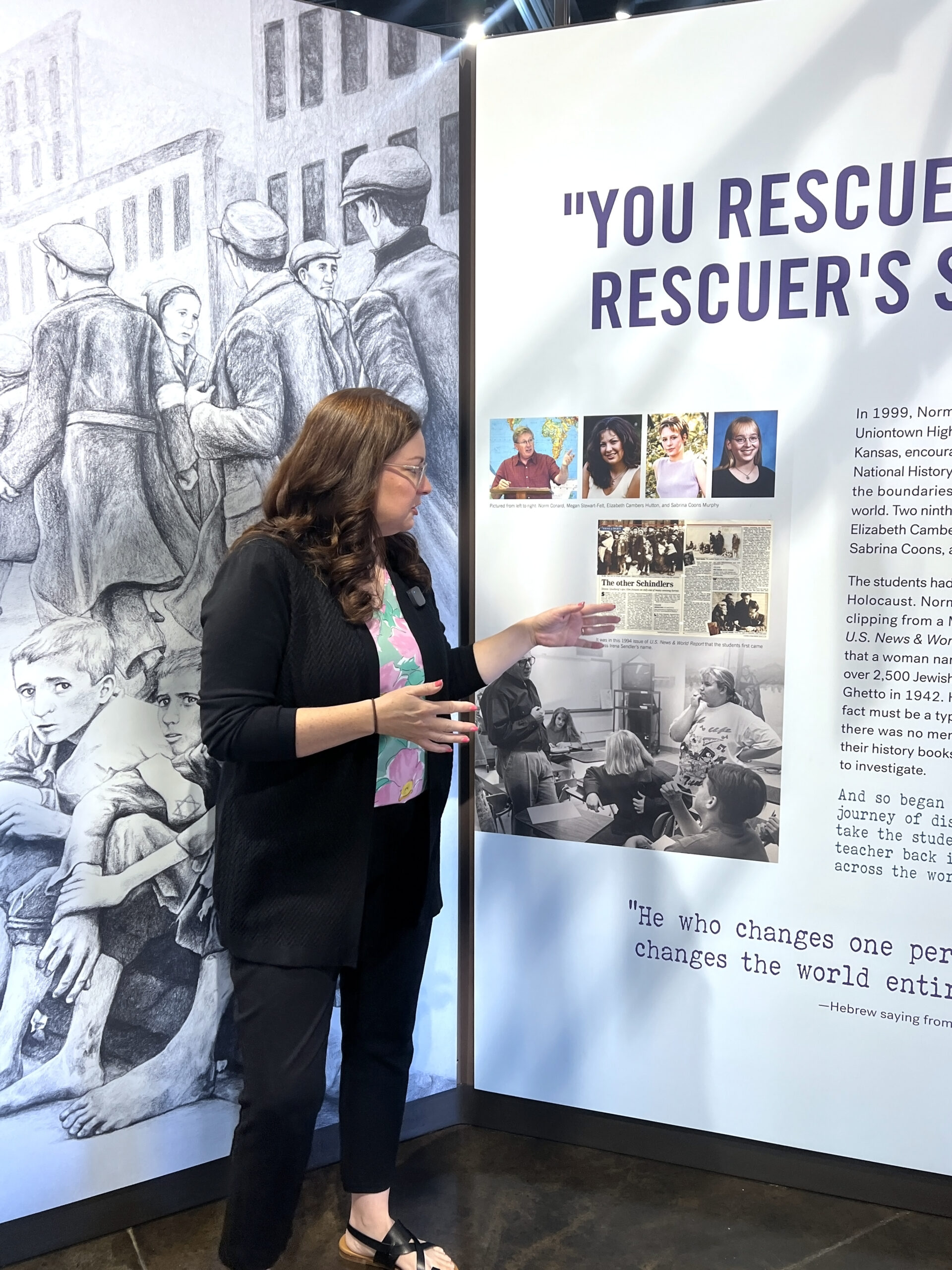 PRO TIP: Give yourself at least an hour to tour the museum. Many displays include a video component or touchscreen interaction. Don’t miss the outdoor displays, and look for the stars during a self-guided sidewalk tour.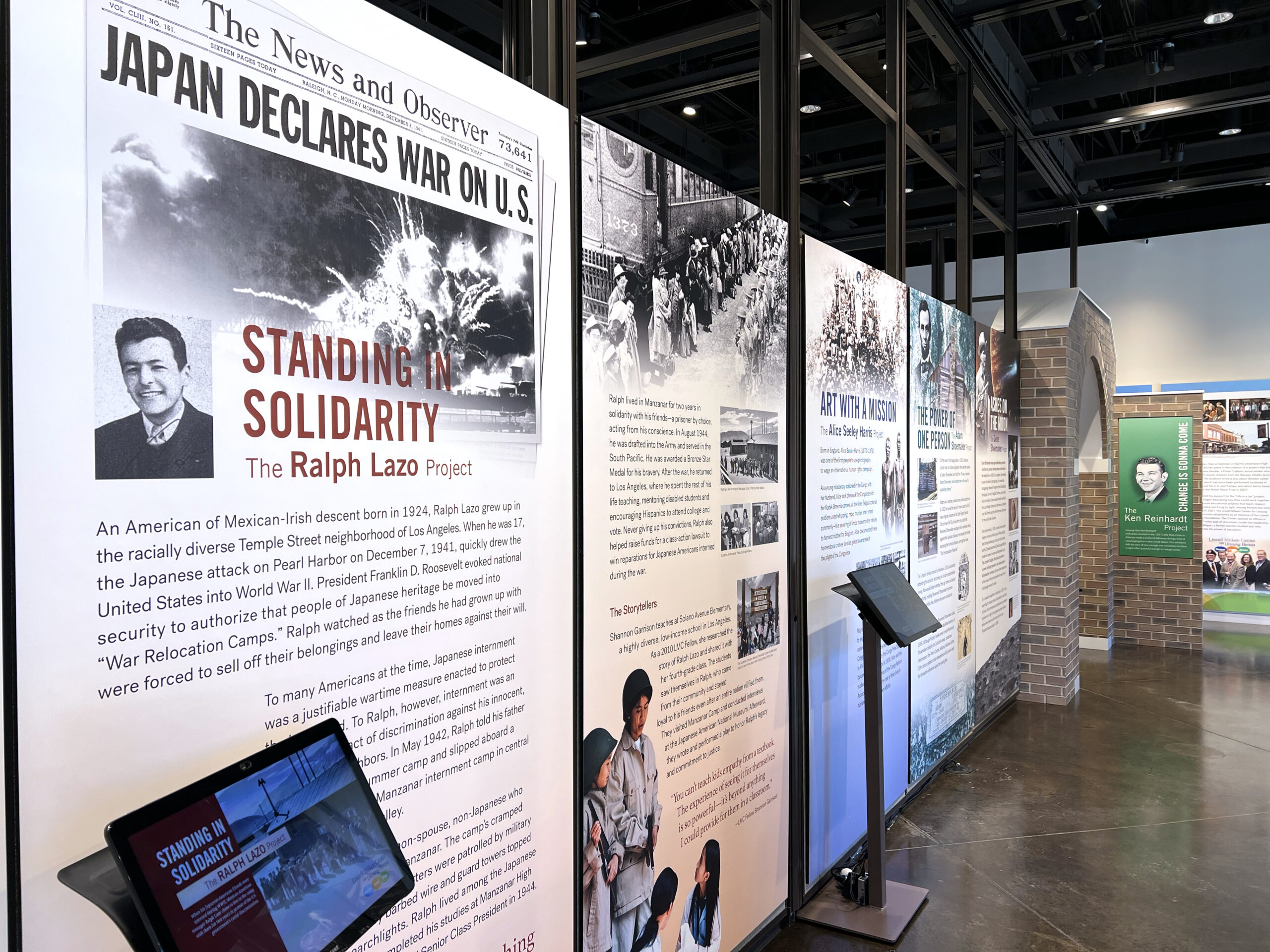
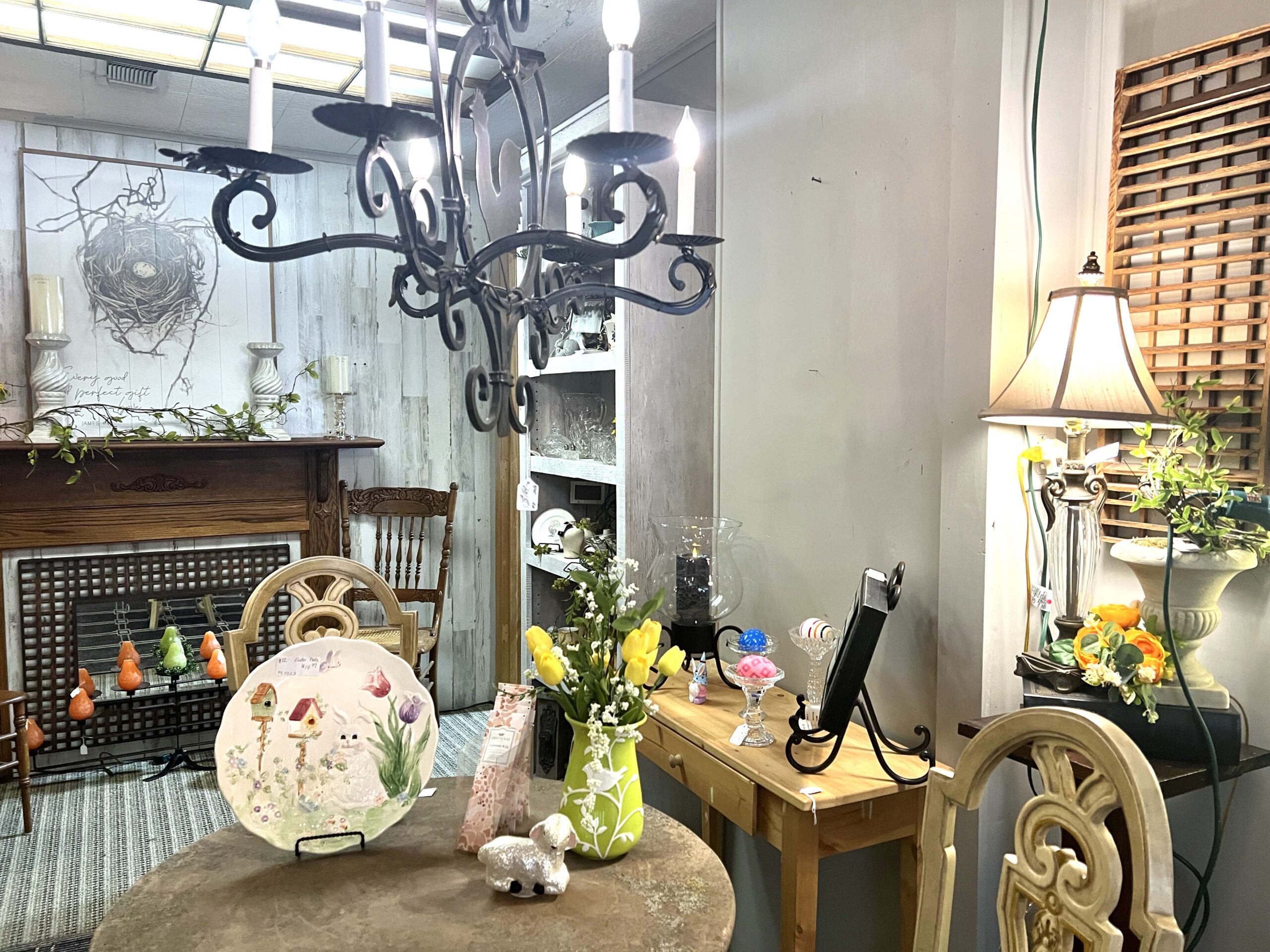
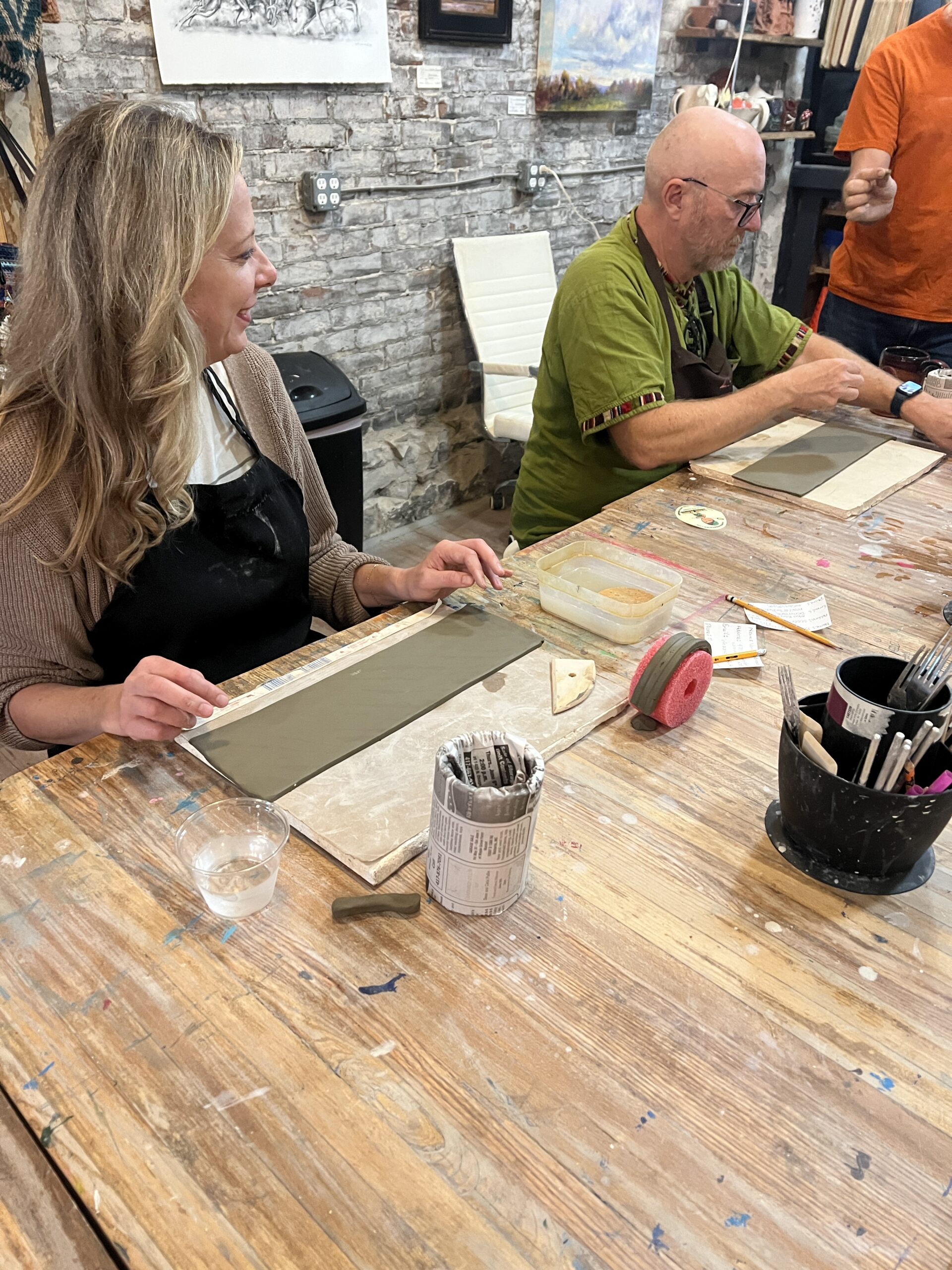 During our two-hour workshop, I learned how the owner sources Bourbon County clay, prepares it for projects, and uses it to create stunning kitchenware and decorative pieces.
 If you’re interested in an art class (they range in mediums from painting to pottery), view
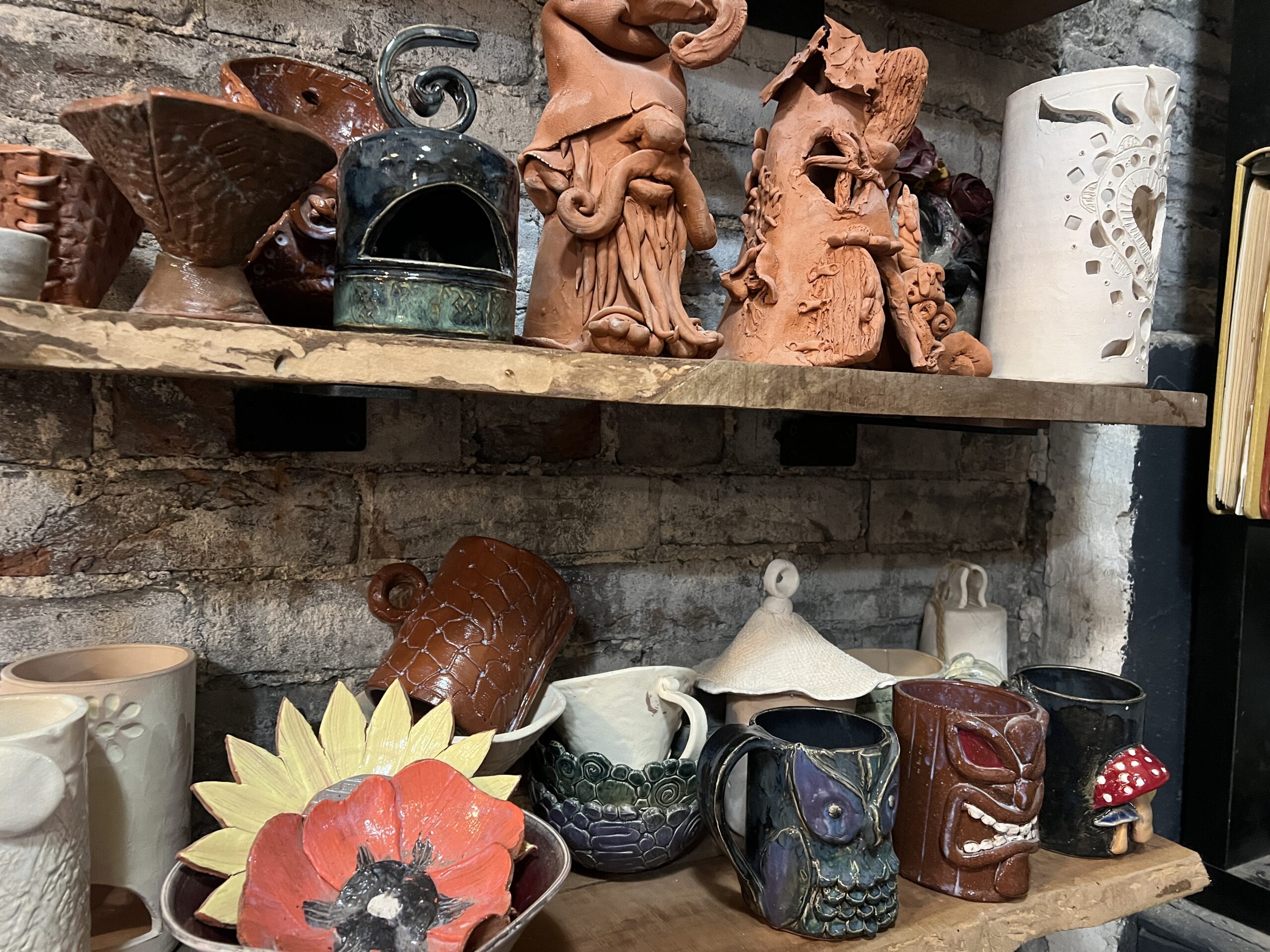
 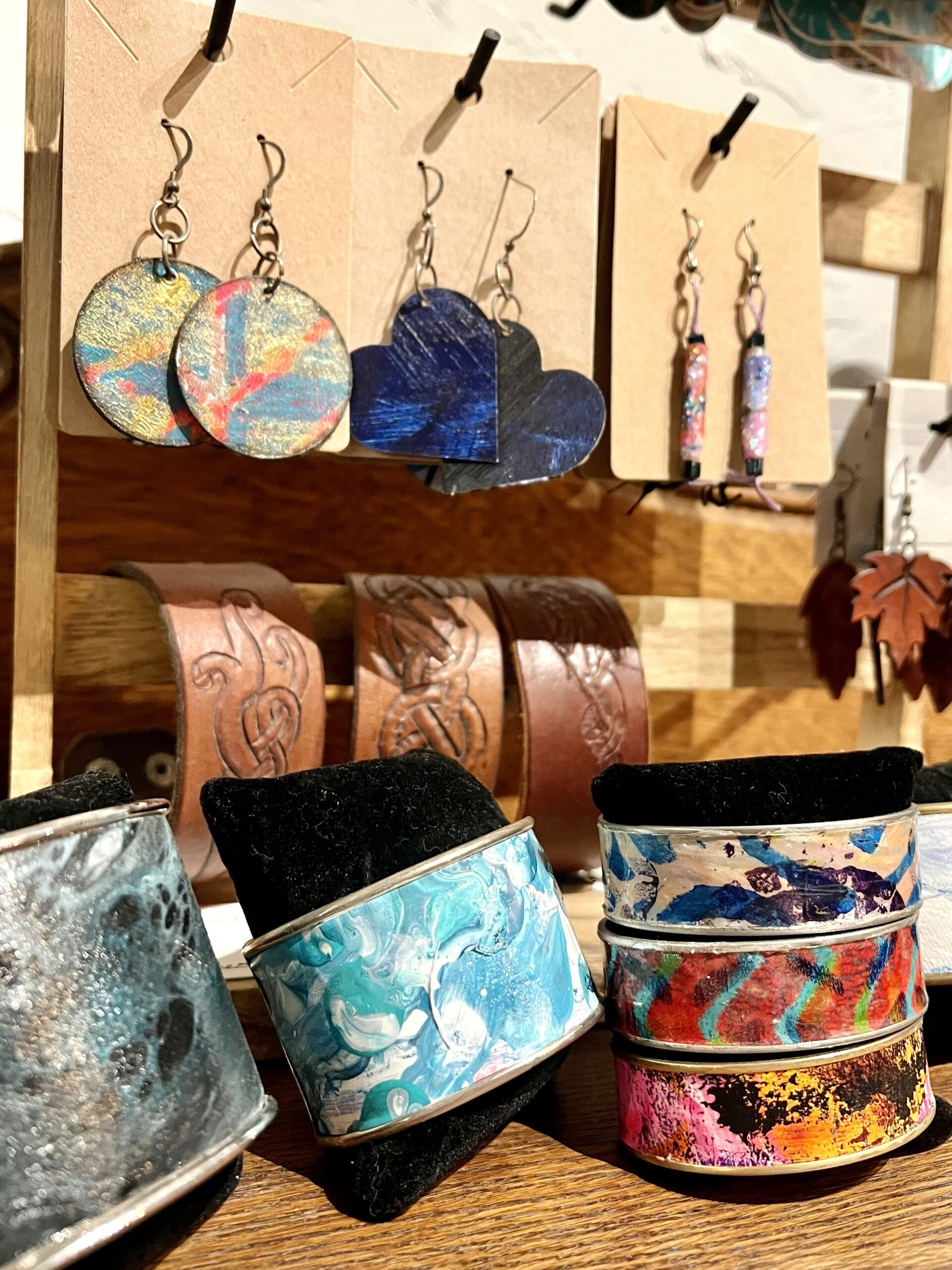 Be sure to shop for a new treasure in the art gallery. Handcrafted items include oversized whimsical clay designs, dinnerware, coffee mugs, wall art, and jewelry.
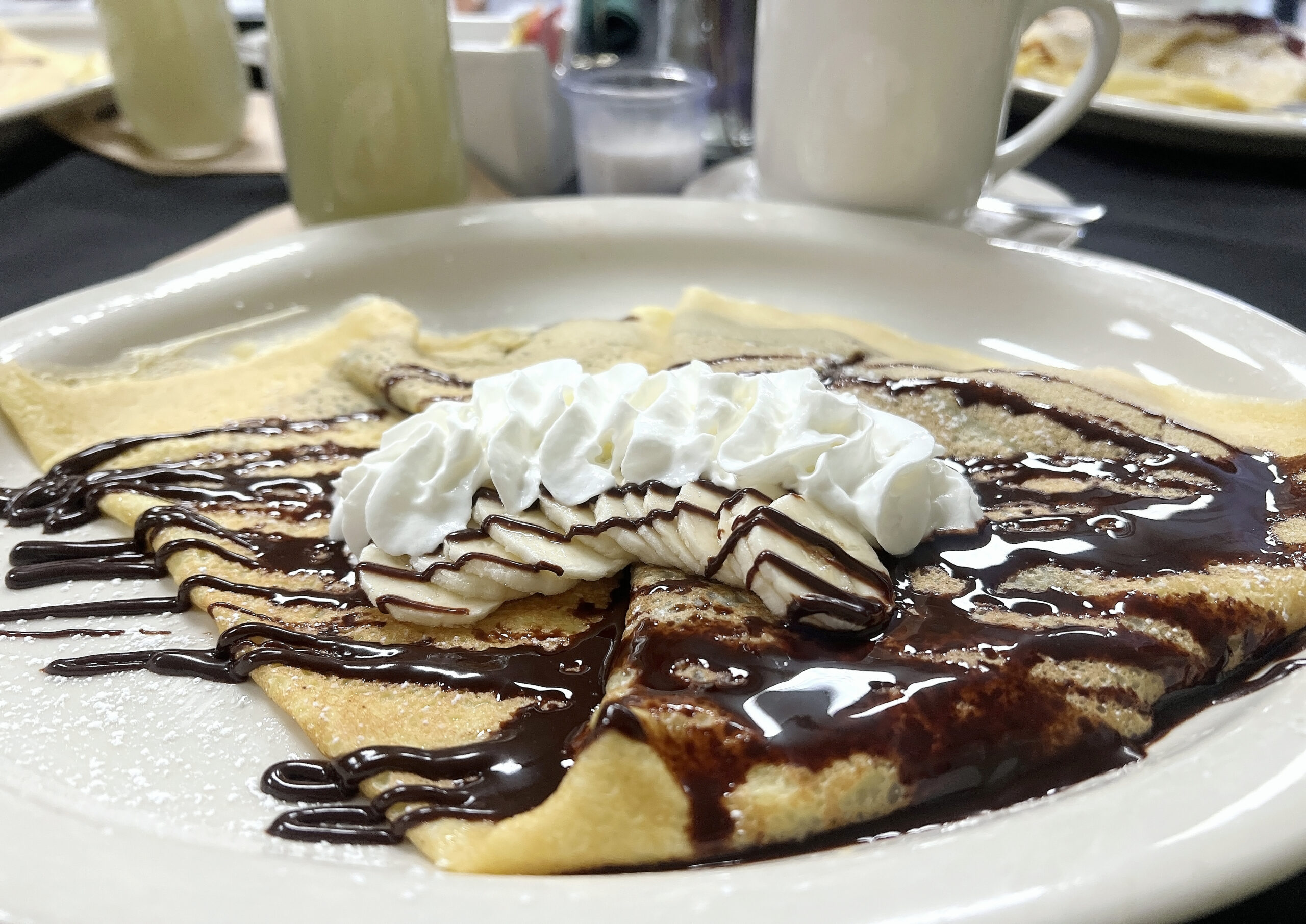 Also known for an equally dynamic lunch menu, Cohn’s Cafe on Main, offers diners another reason to visit. The Green Lantern dinner menu features main dishes such as German Goulash and Short Rib Ravioli.
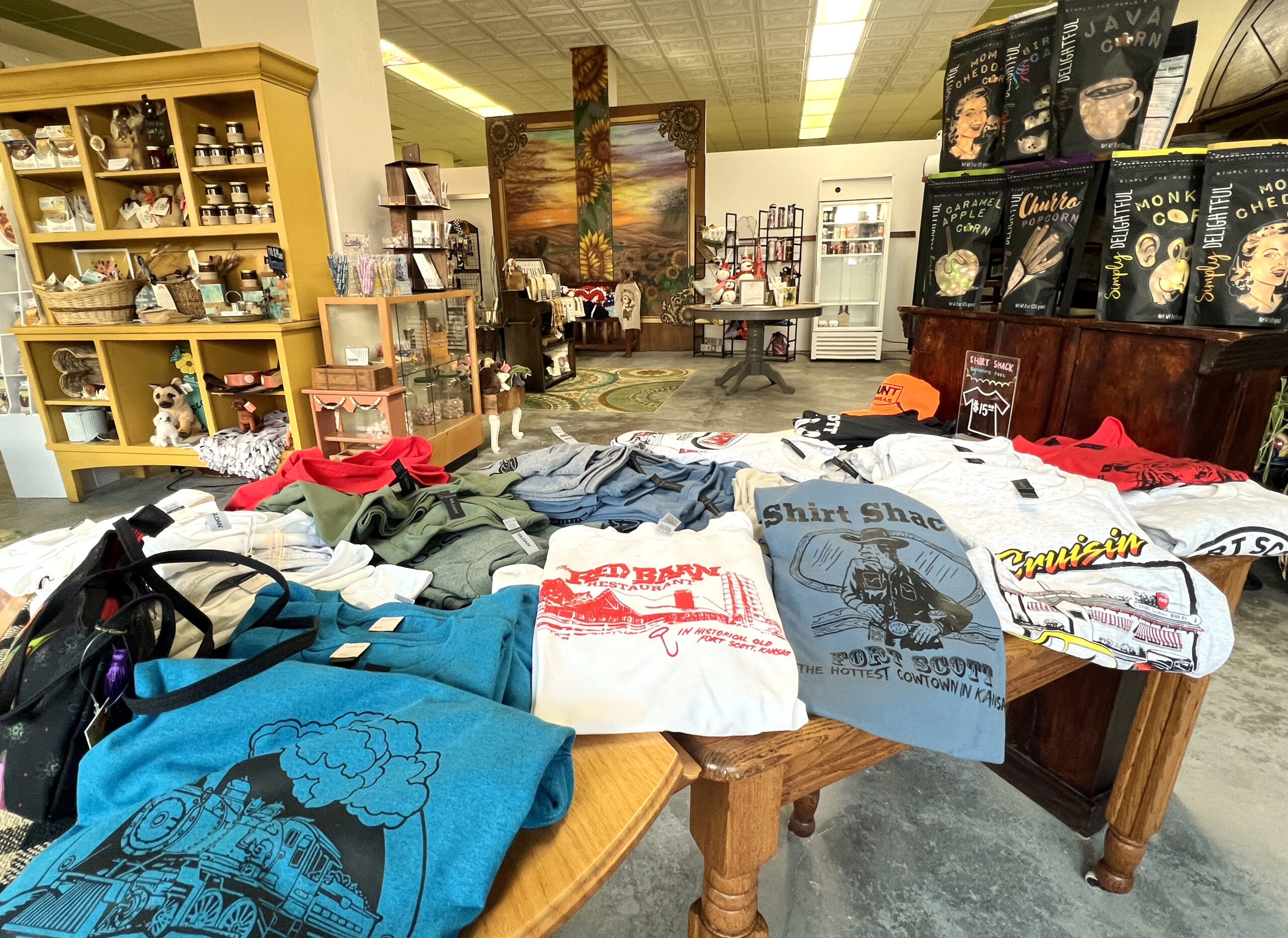 Adjacent to the restaurant is the 100 South Main Mercantile & Market, which sells Kansas-made gifts and Fort Scott memorabilia.
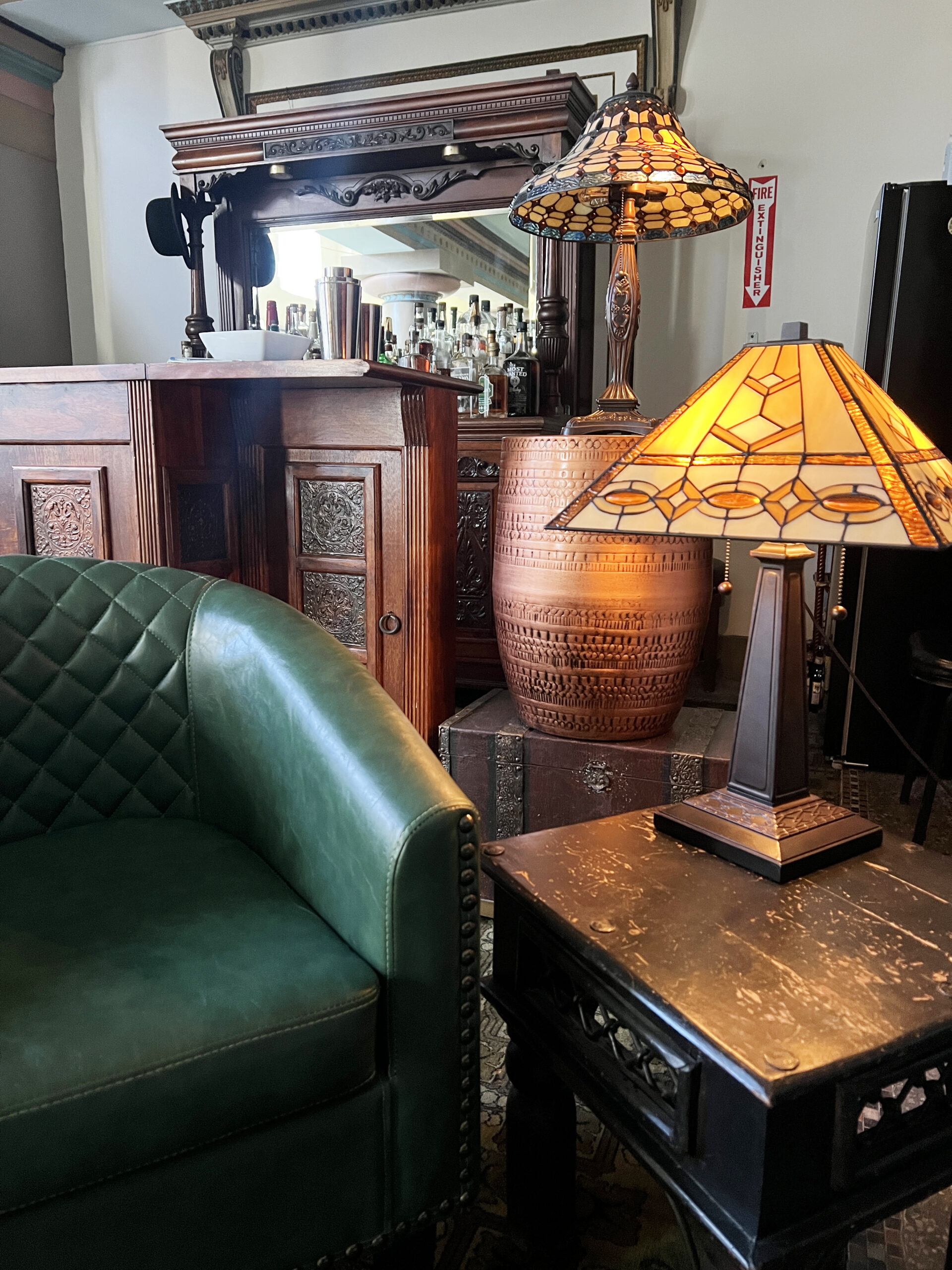 PRO TIP: Check for the day’s menu specials on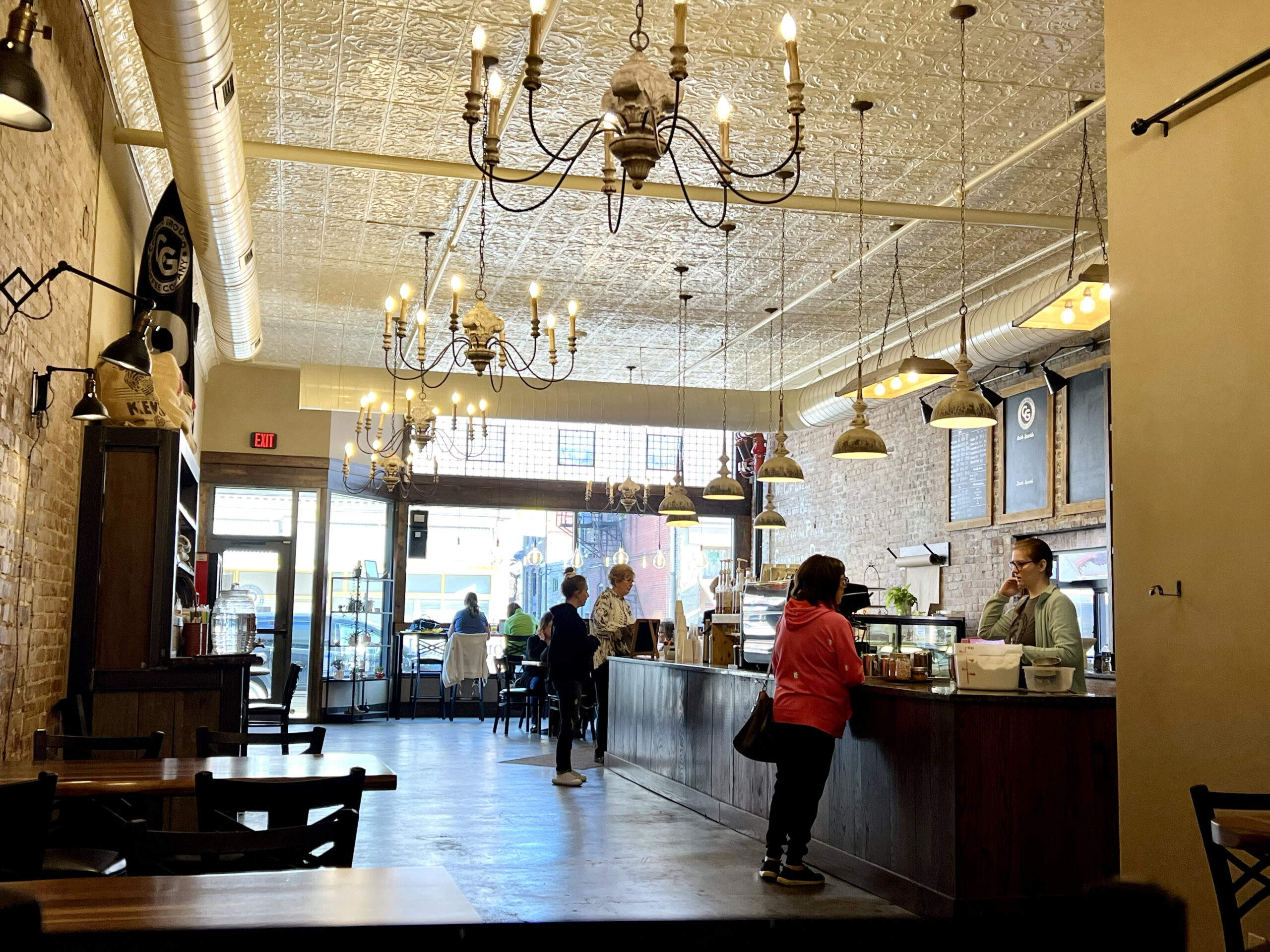
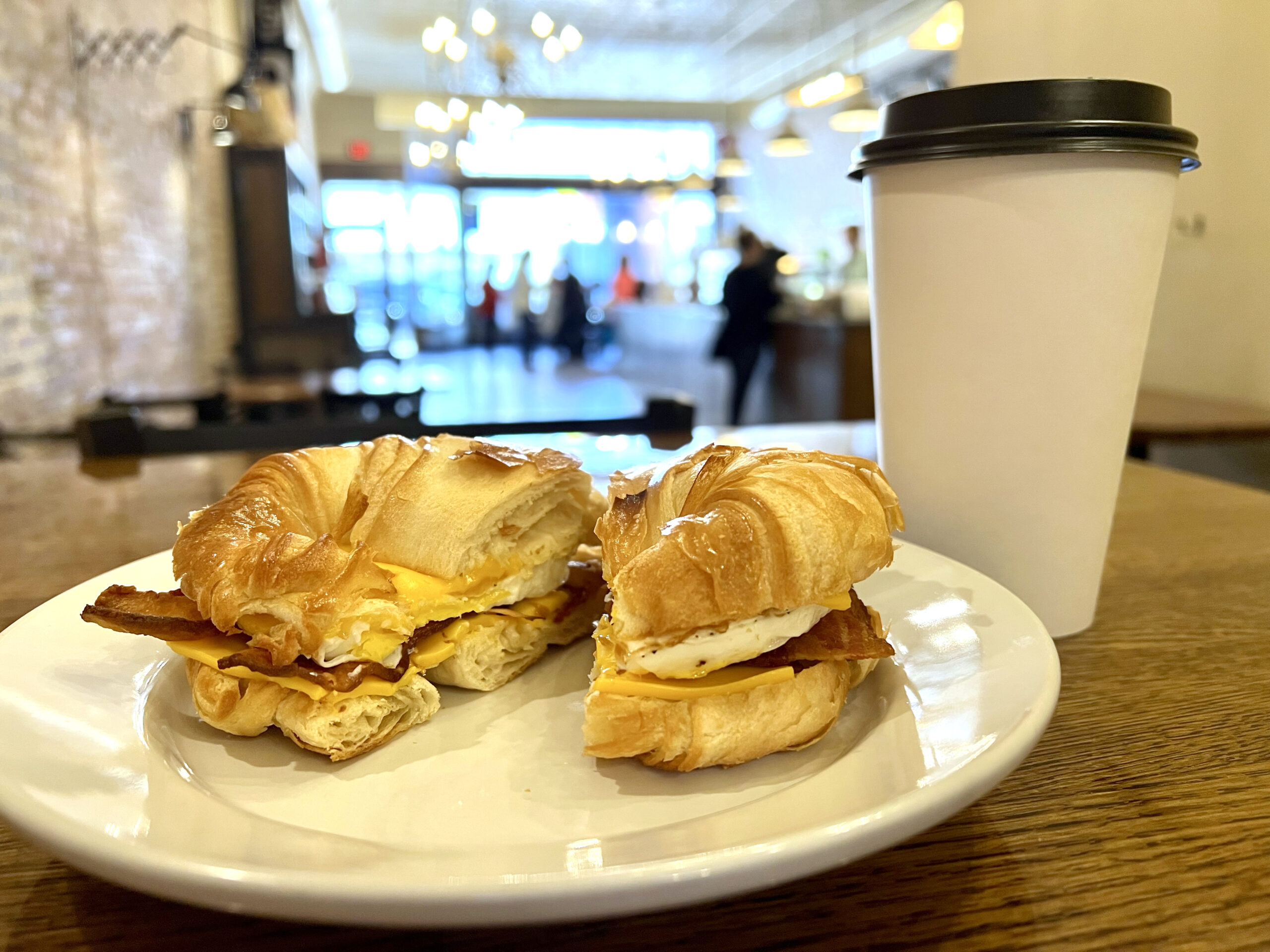
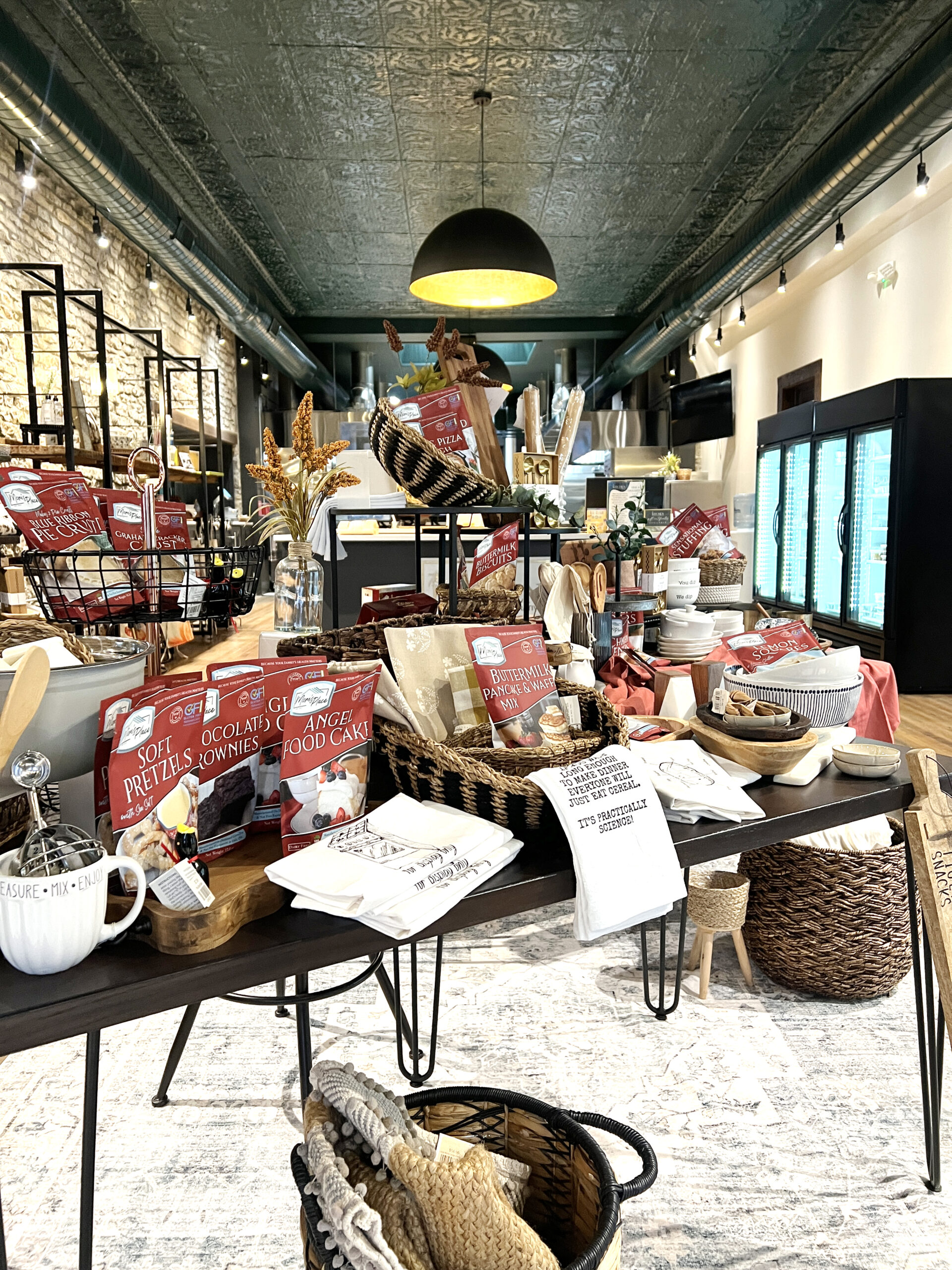 During my visit, I learned that the commercial kitchen space with state-of-the-art equipment can be rented by food truck operators and small business chefs.
 A retail marketplace at the front of the space, The Kitchen C+C, is where kitchen tenants can sell grab-and-go cuisine, including daily lunch specials.
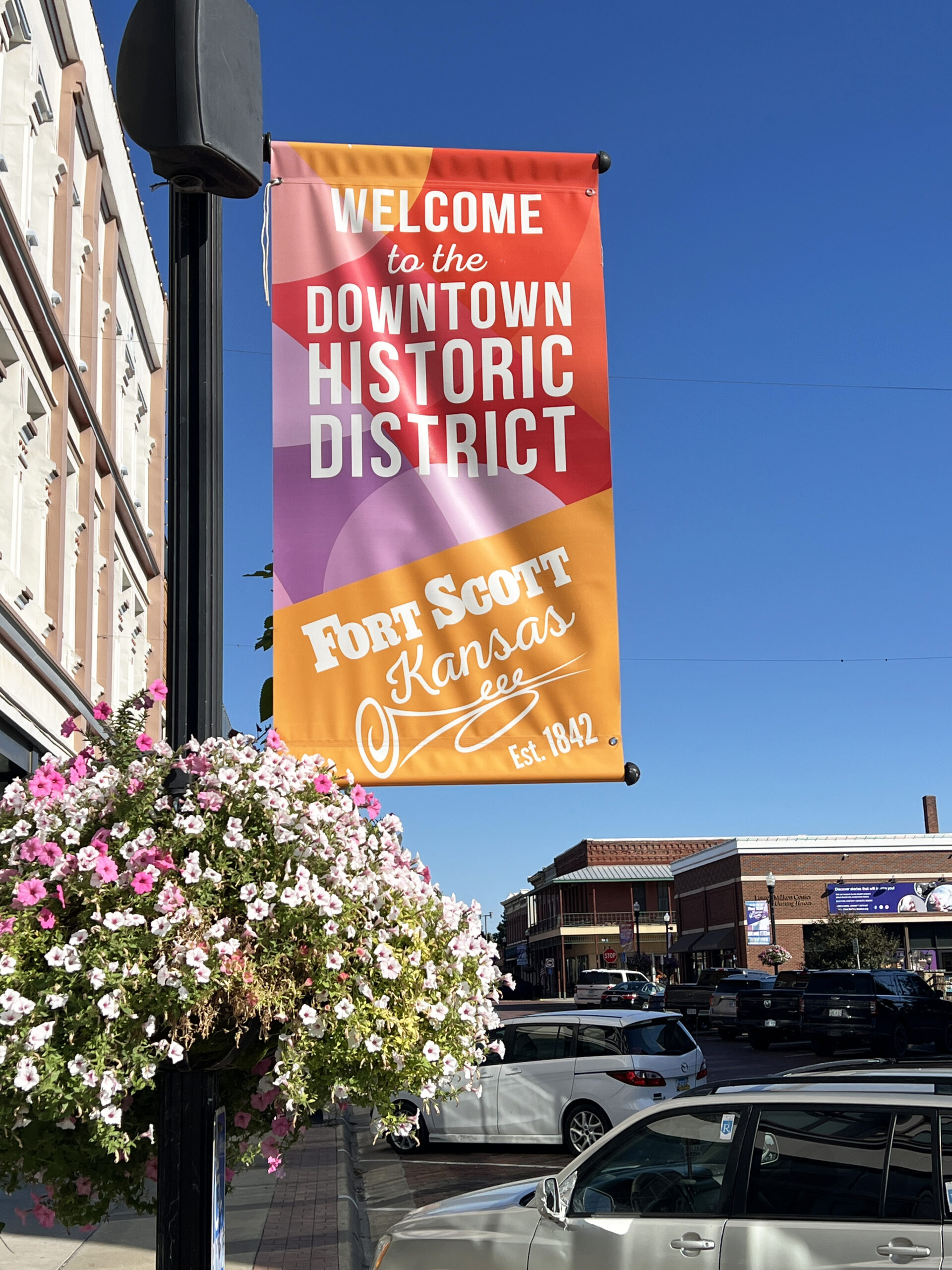 To learn more about Fort Scott, view Kansas Tourism’s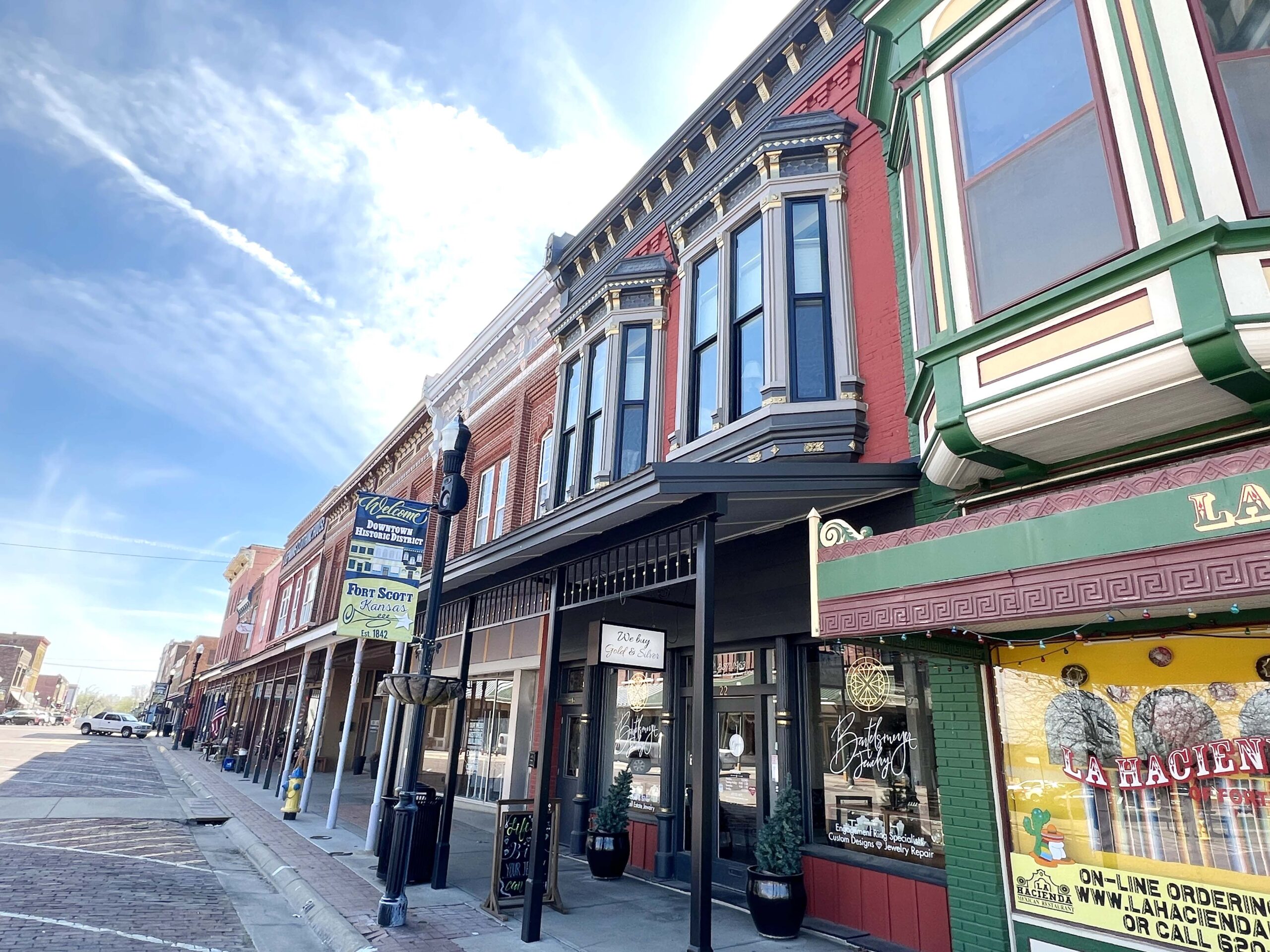
 Originally built in 1855 and called the Free State Hotel, it was one of the tallest most beautiful buildings in town. Unfortunately, its fate was doomed.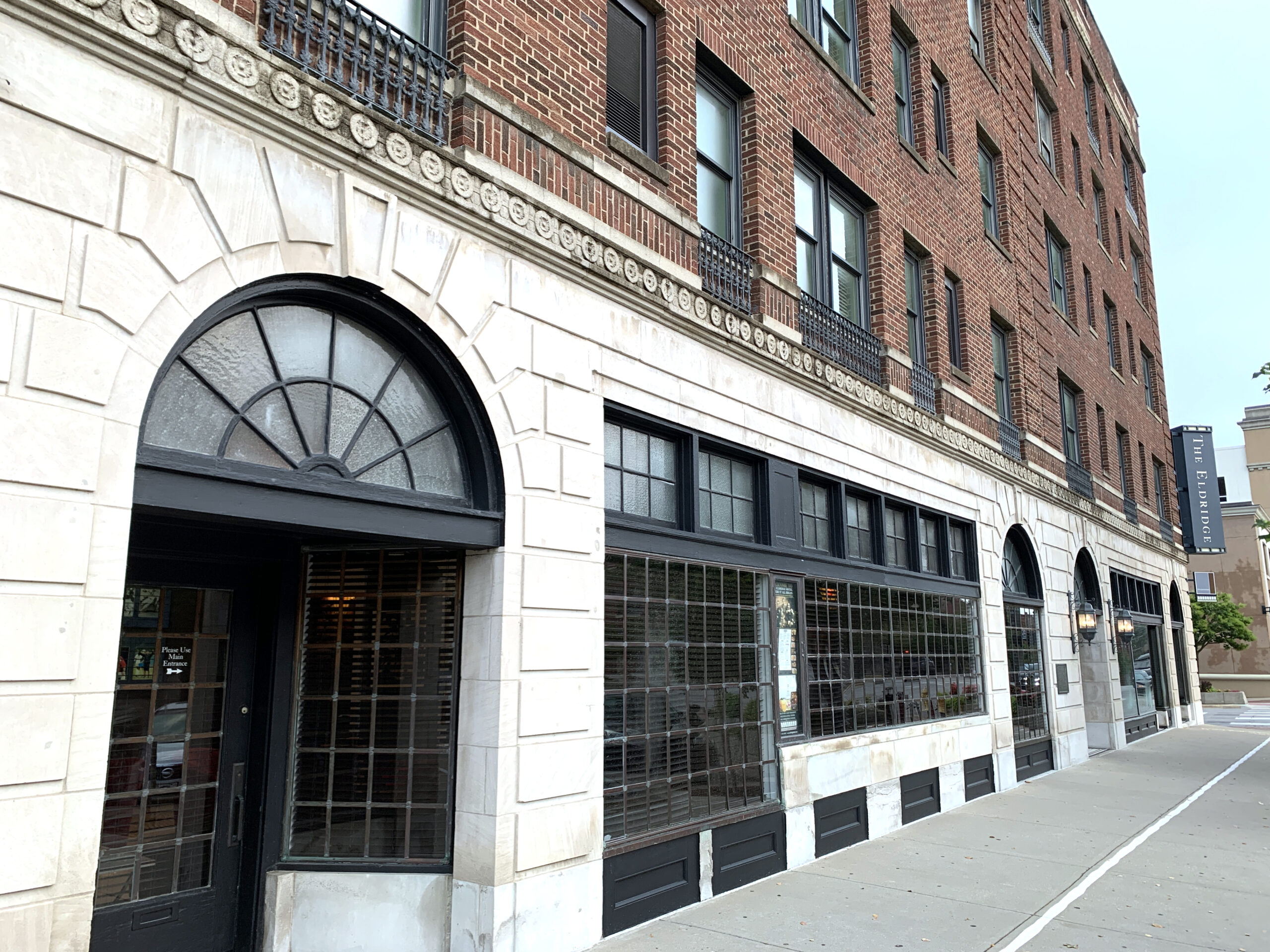
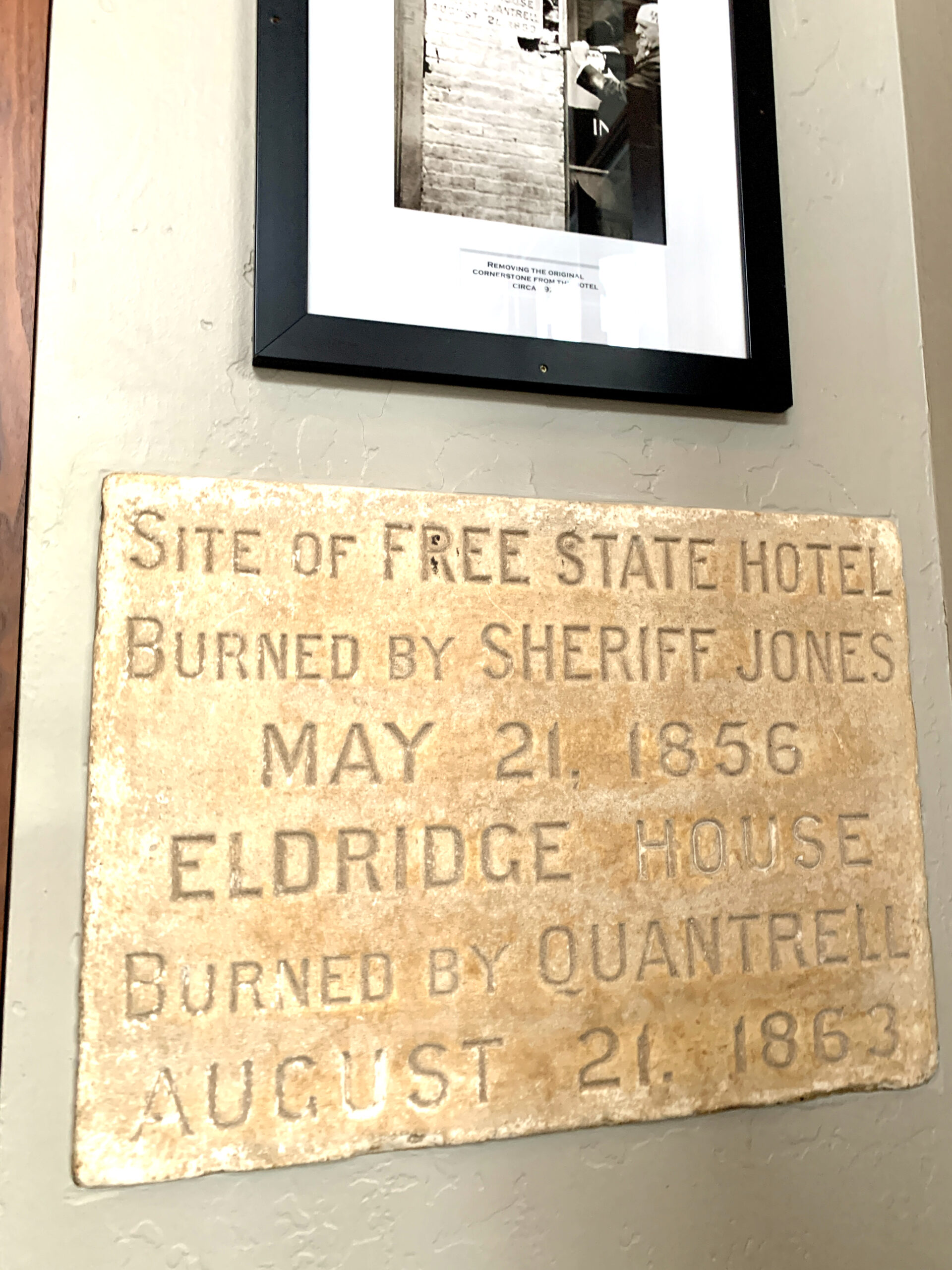 The hotel is considered haunted. Hotel employees have seen Colonel Eldridge’s ghost sitting in an original hotel chair in storage. A photograph taken in the lobby shows a ghostly spirit standing in the lobby’s elevator. Room 506 is considered to be the most haunted guest room in the hotel, and it is considered the colonel’s favorite spot. Of course, I requested room 506 for my overnight stay.
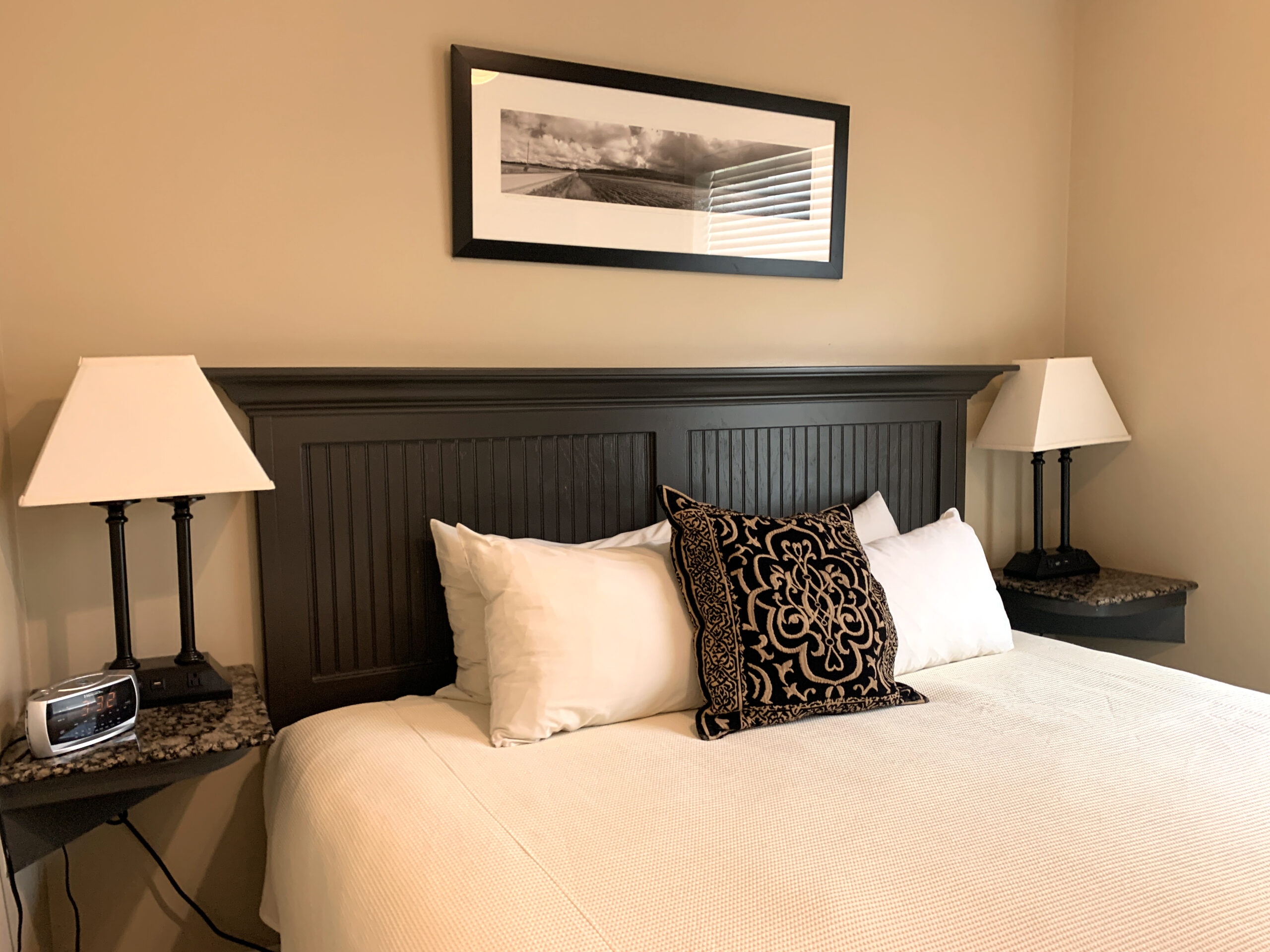 In 1932, the Bonnie and Clyde Gang stayed at the hotel and later robbed the bank across the street. They fled across state lines without issue. According to an article on The Eldridge’s website, the gang made off with over $33,000. You can read more about the hotel’s history and ongoing renovations
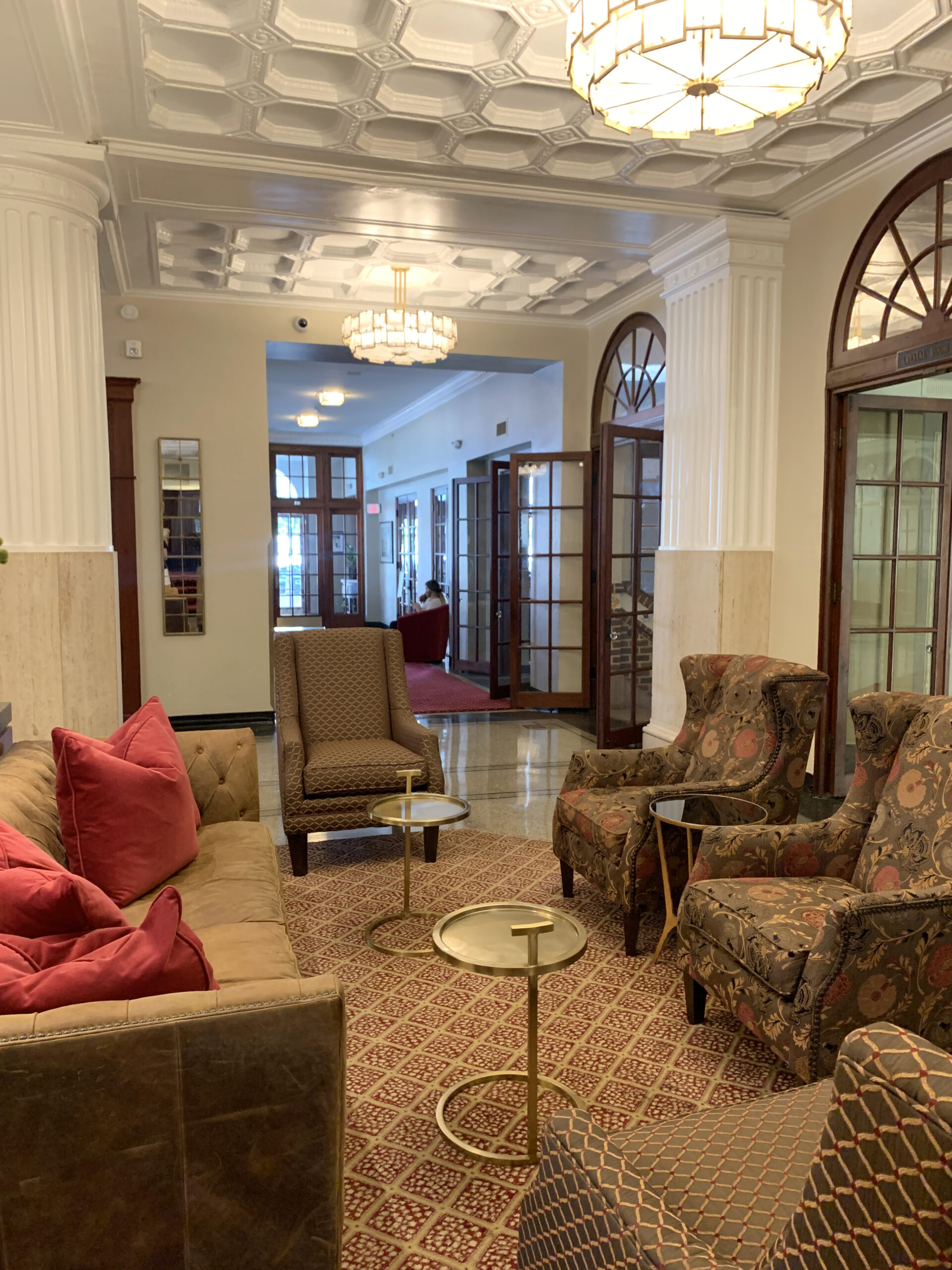
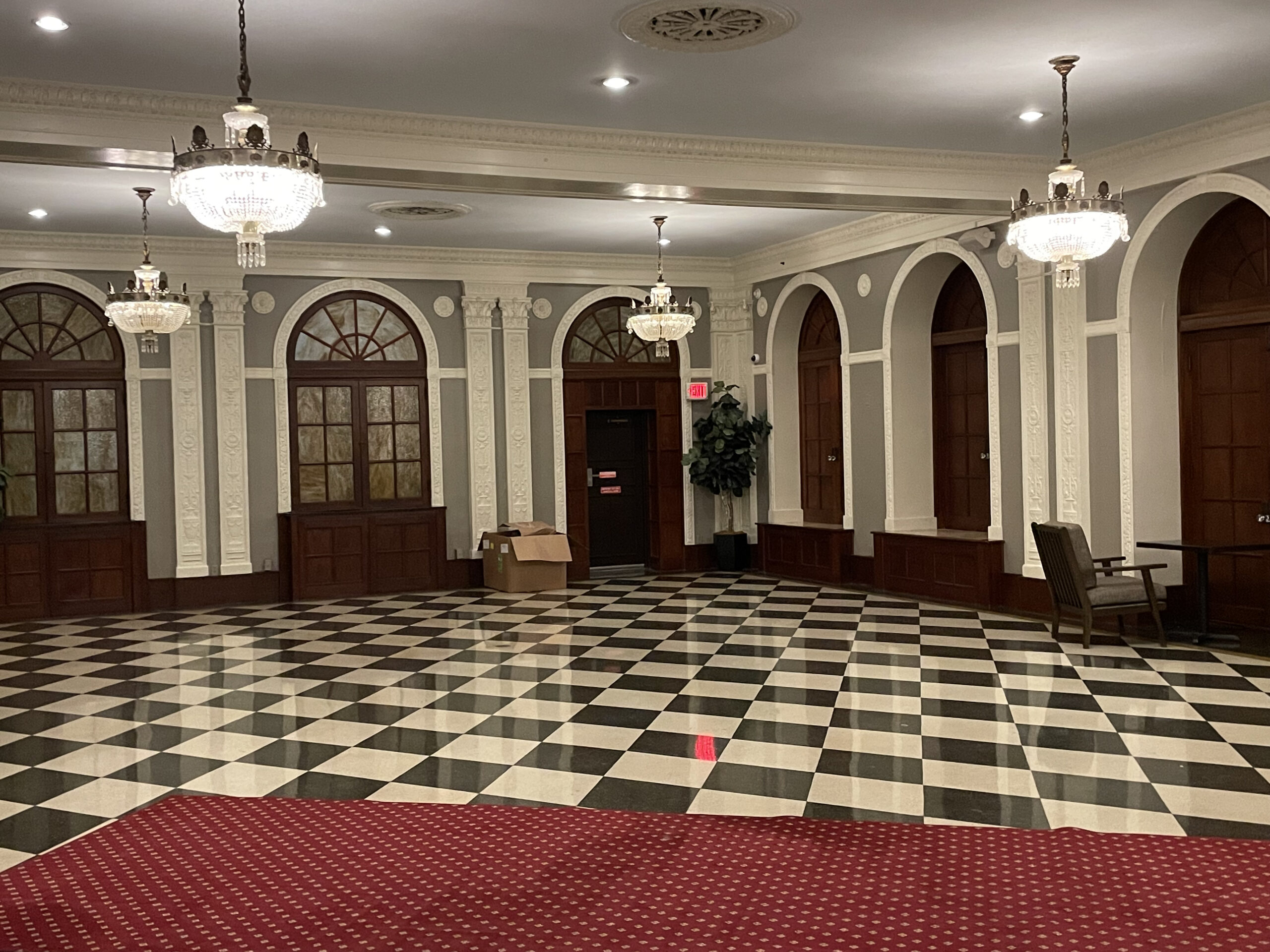
 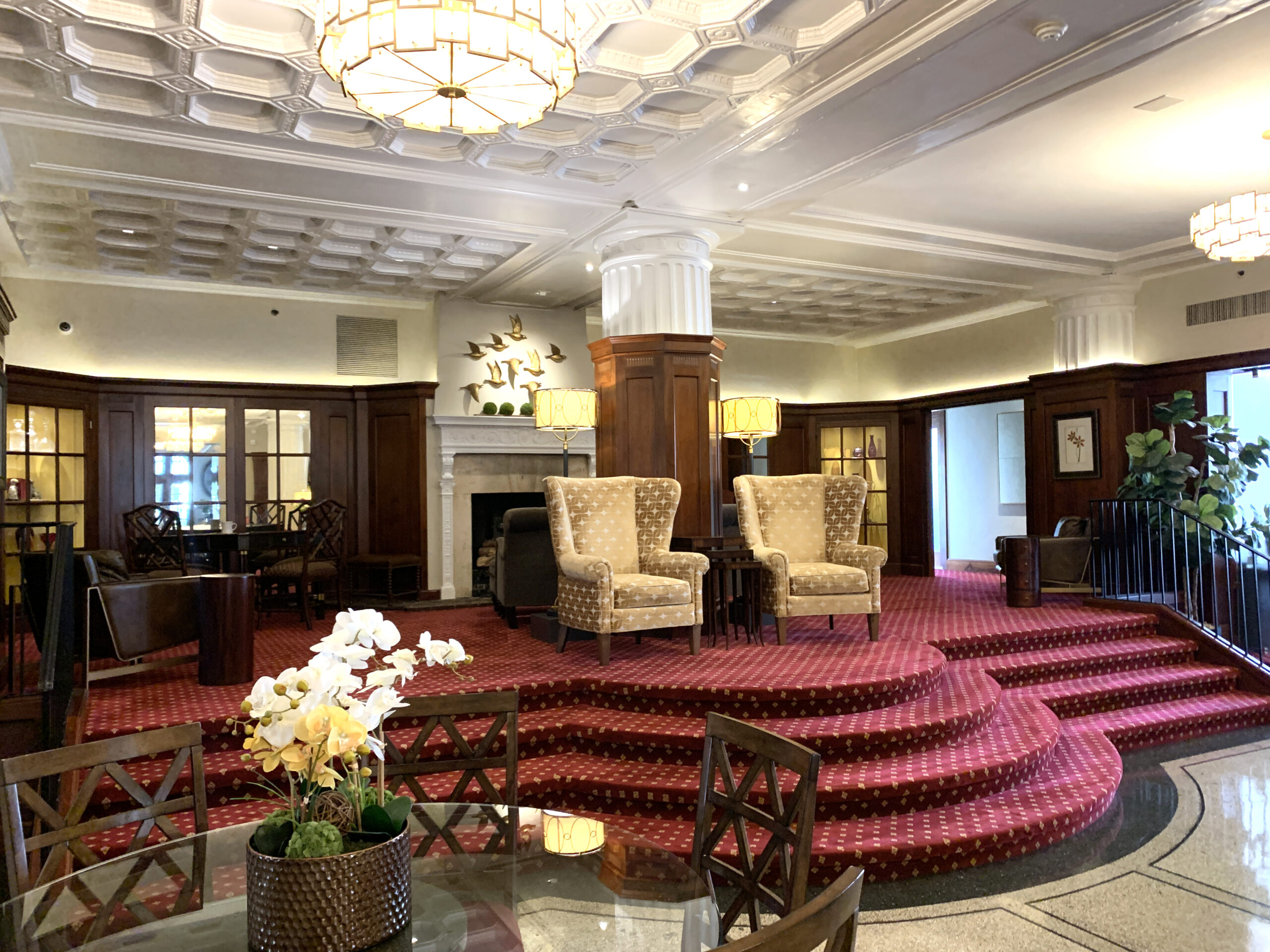 The hotel serves as a venue for guests who want to celebrate weddings, reunions, and private gatherings for up to 180 guests. The ballroom pictured below includes original crown molding, archways with windows, and crystal chandeliers. The hotel’s concierge wanted to show us other rooms of historical significance, so he took us to a few private areas not open to the public.
 We entered what looked to be a boiler room of sorts that included a narrow, steep staircase without a railing. It was time to scale the stairs to see Colonel Eldridge’s favorite chair first-hand. I climbed the stairs steadying myself with my hands upon each stair. There it was! A dusty ornate chair that many employees say they’ve seen Eldridge sitting on smoking his pipe. Would you want to see the chair for yourself?
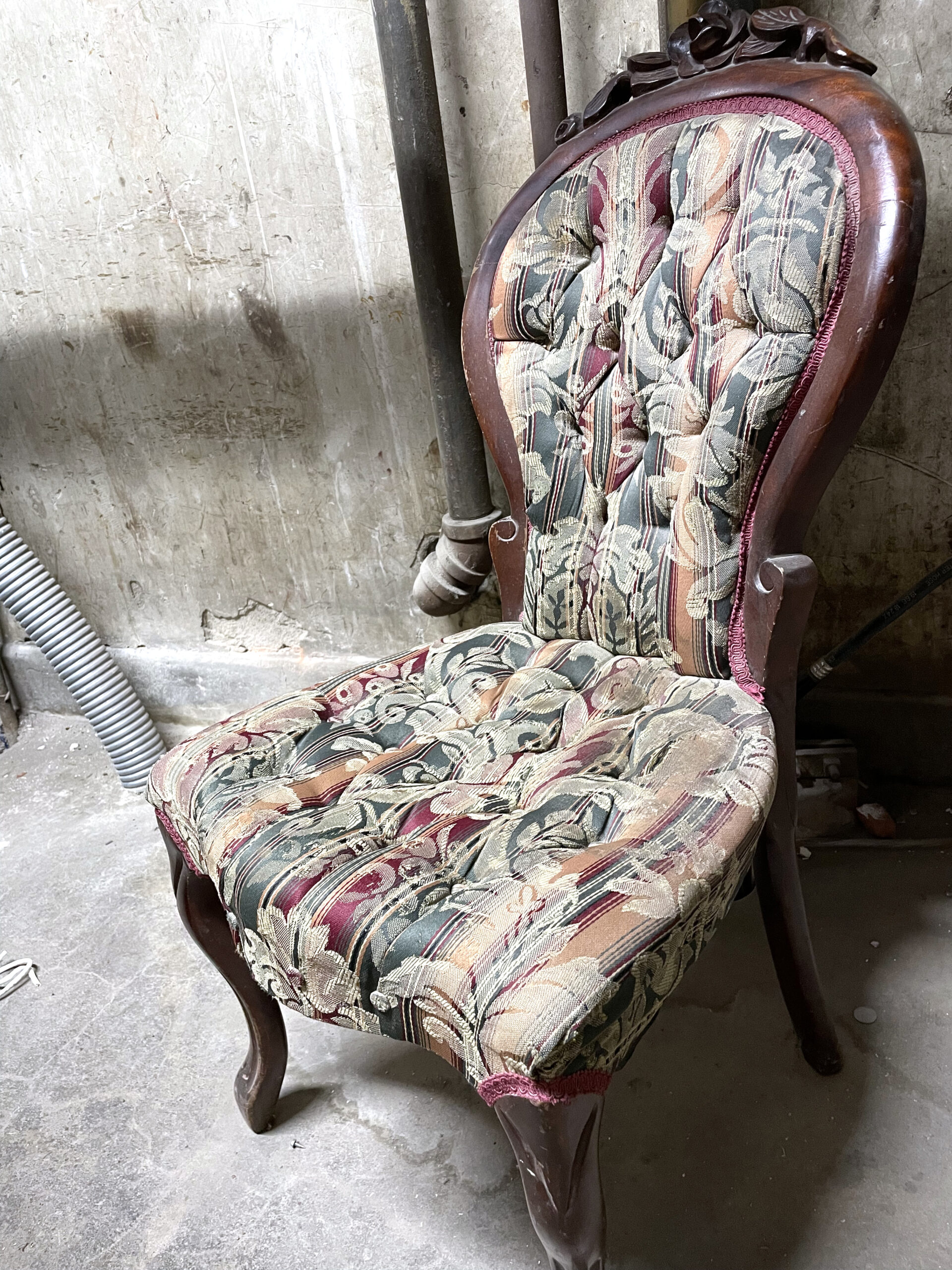 All in all, my stay at The Eldridge was exceptional. The hotel stay went above and beyond to cater to my curiosity about the hotel’s history by taking me on a guided tour and telling me the background story of many of the black and white photographs hanging in the lobby.
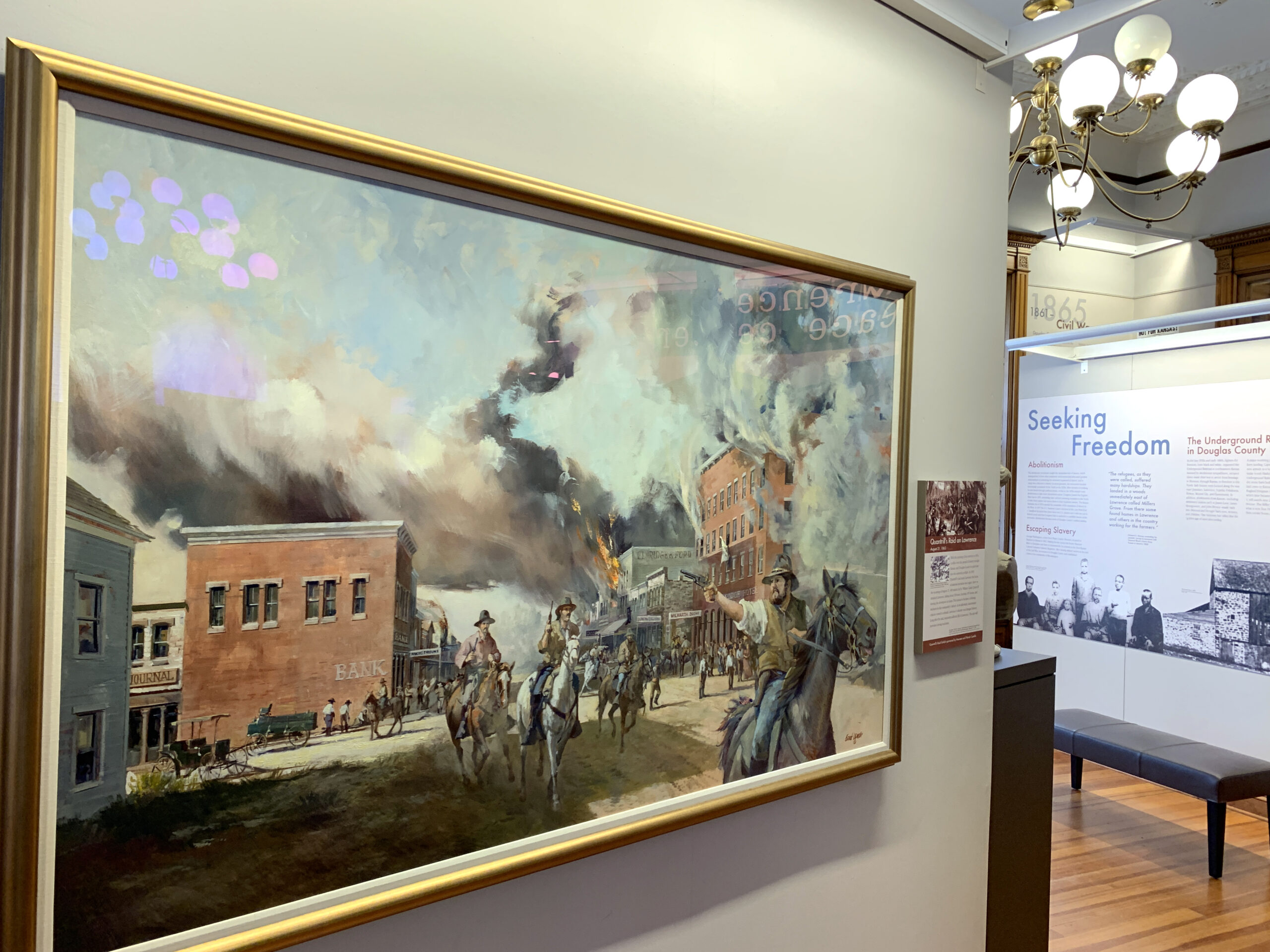
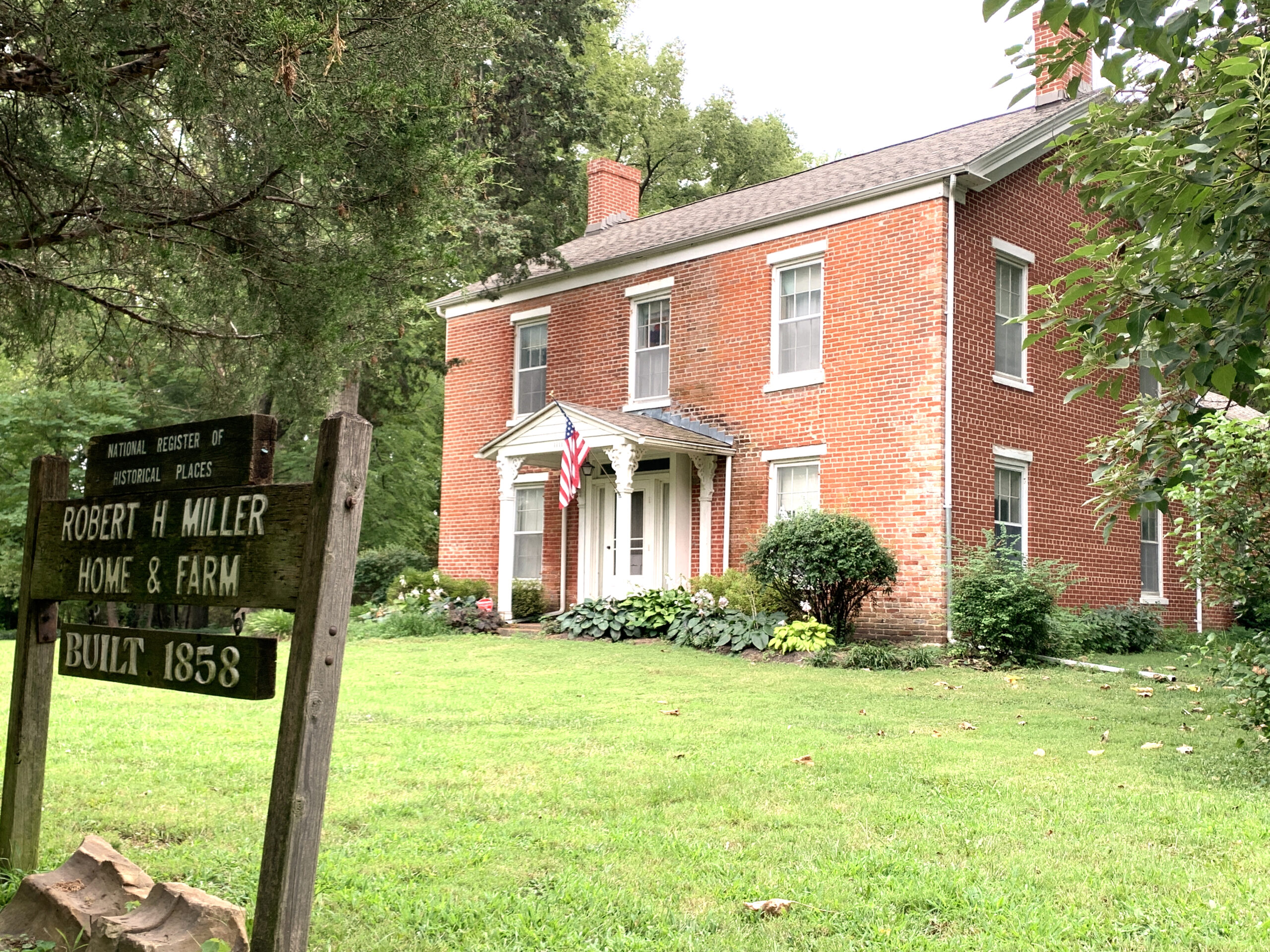 Quantrill and his men rode up to the house with 400 men on horseback on their way from the town of Franklin to raid Lawrence on August 21, 1863. He was recognized by one of the Miller daughters. She greeted him. He and one of his men most likely stayed overnight at the home weeks earlier during a scouting mission.
 The second stop on the bus tour took us to the
 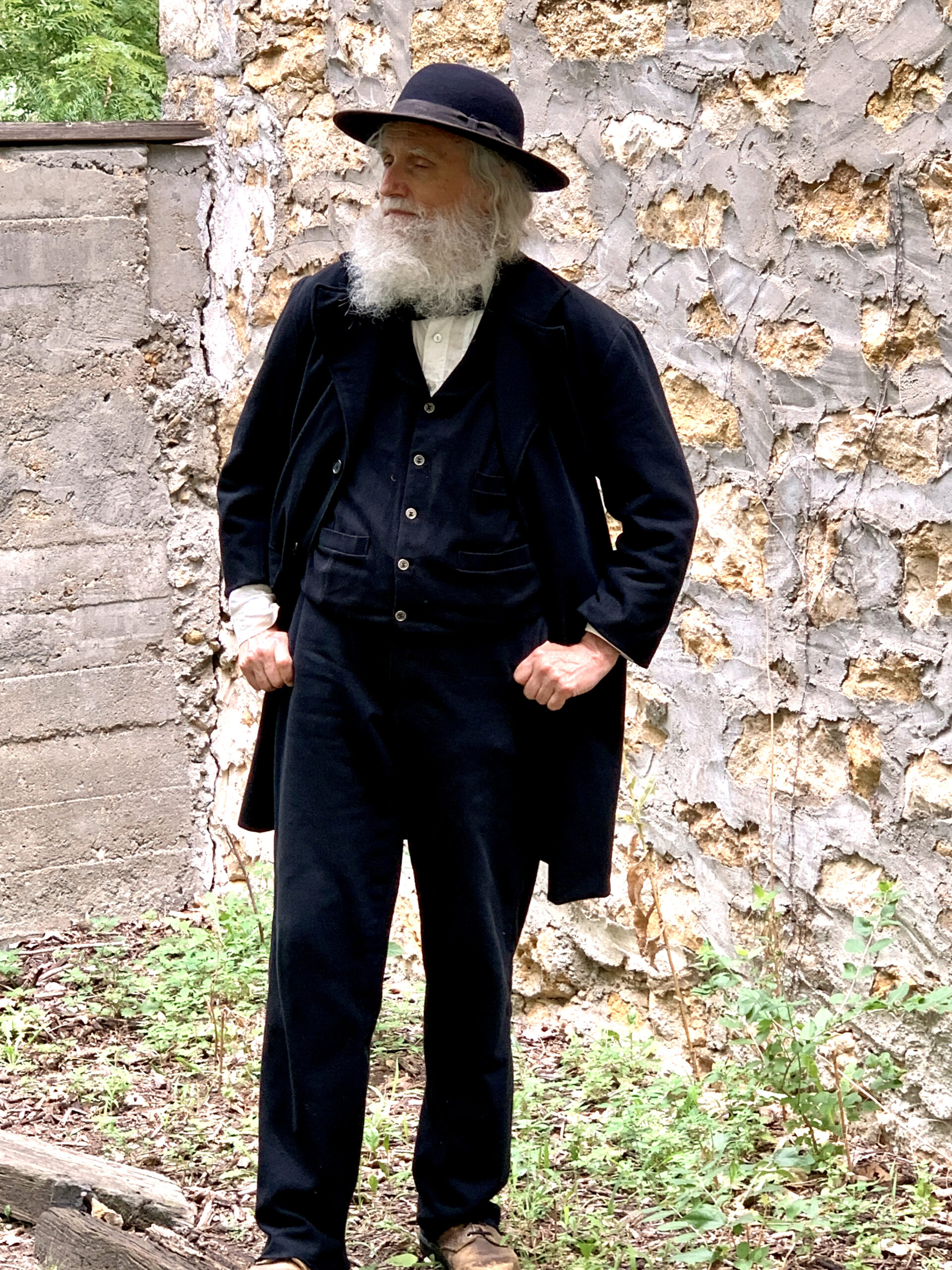 The final stop of the Bleeding Kansas Bus Tour took us to the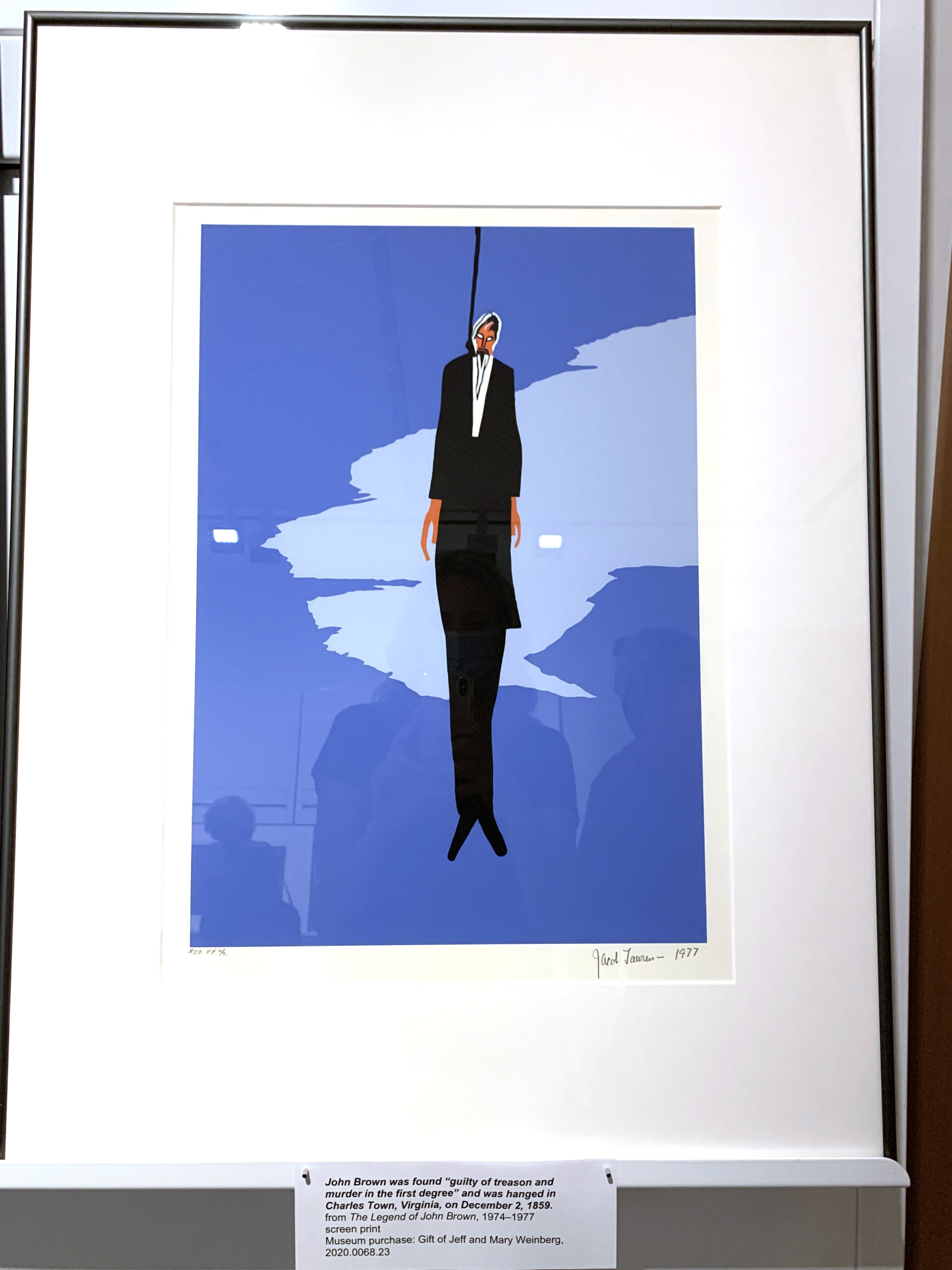
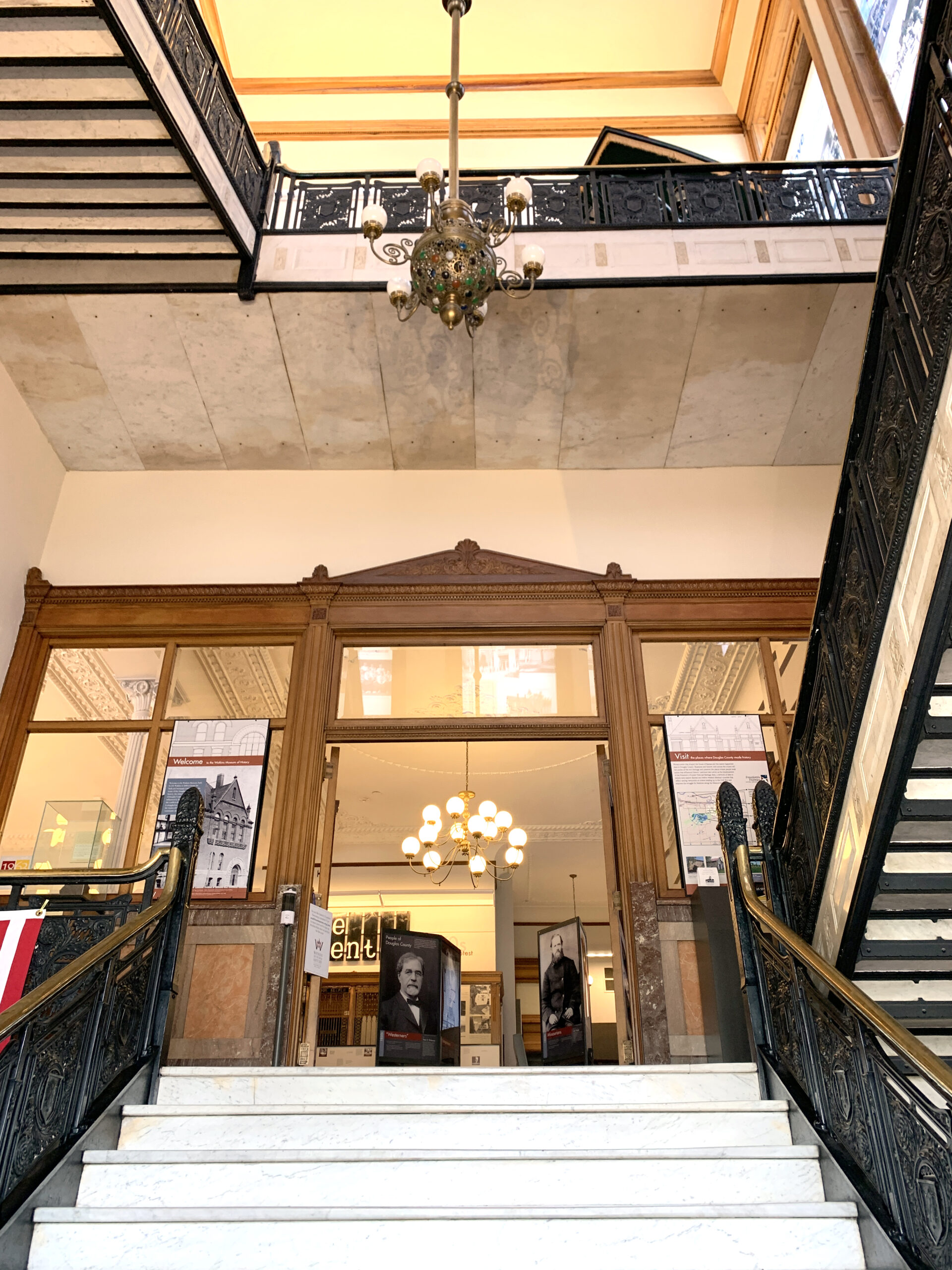
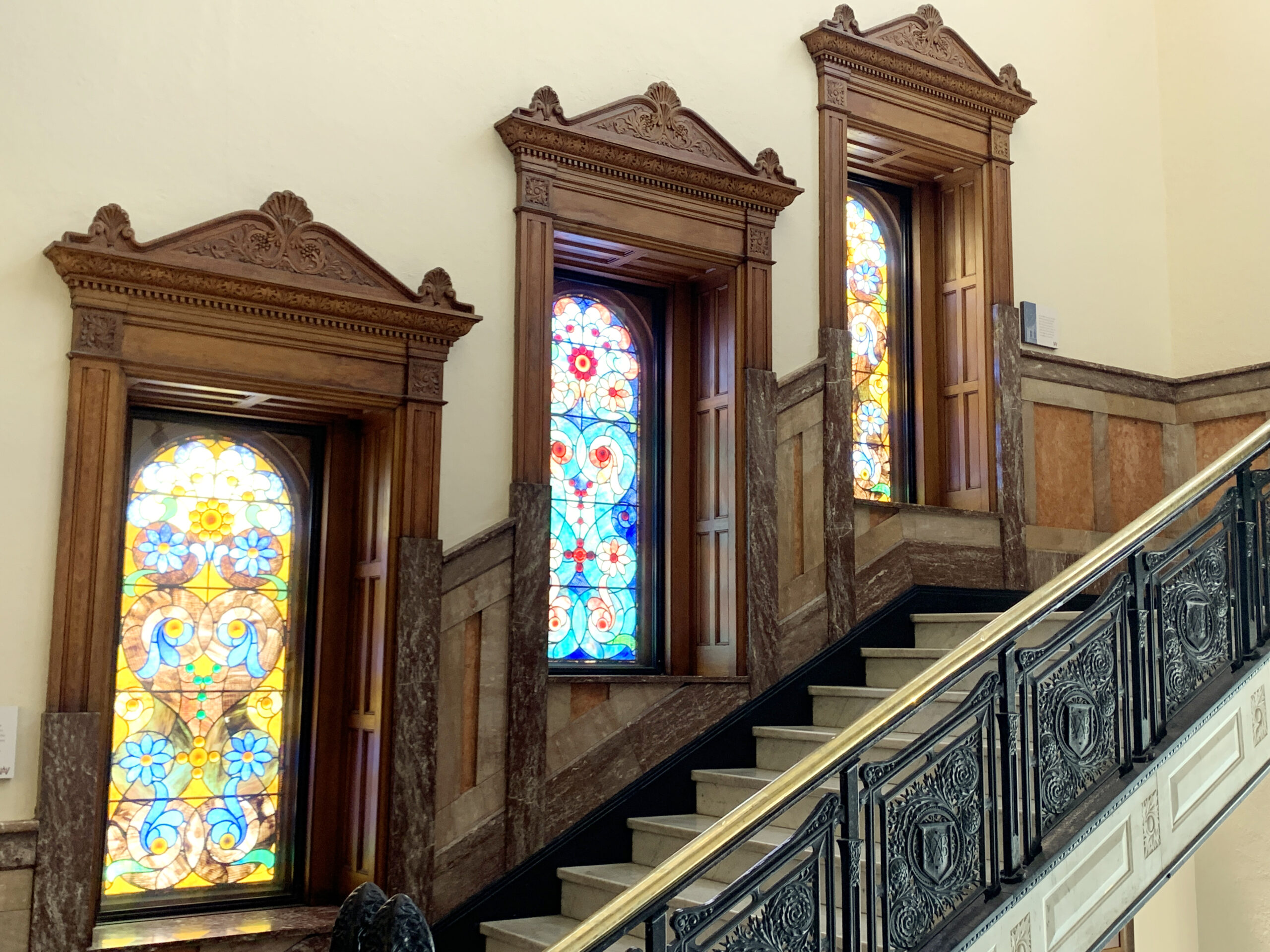
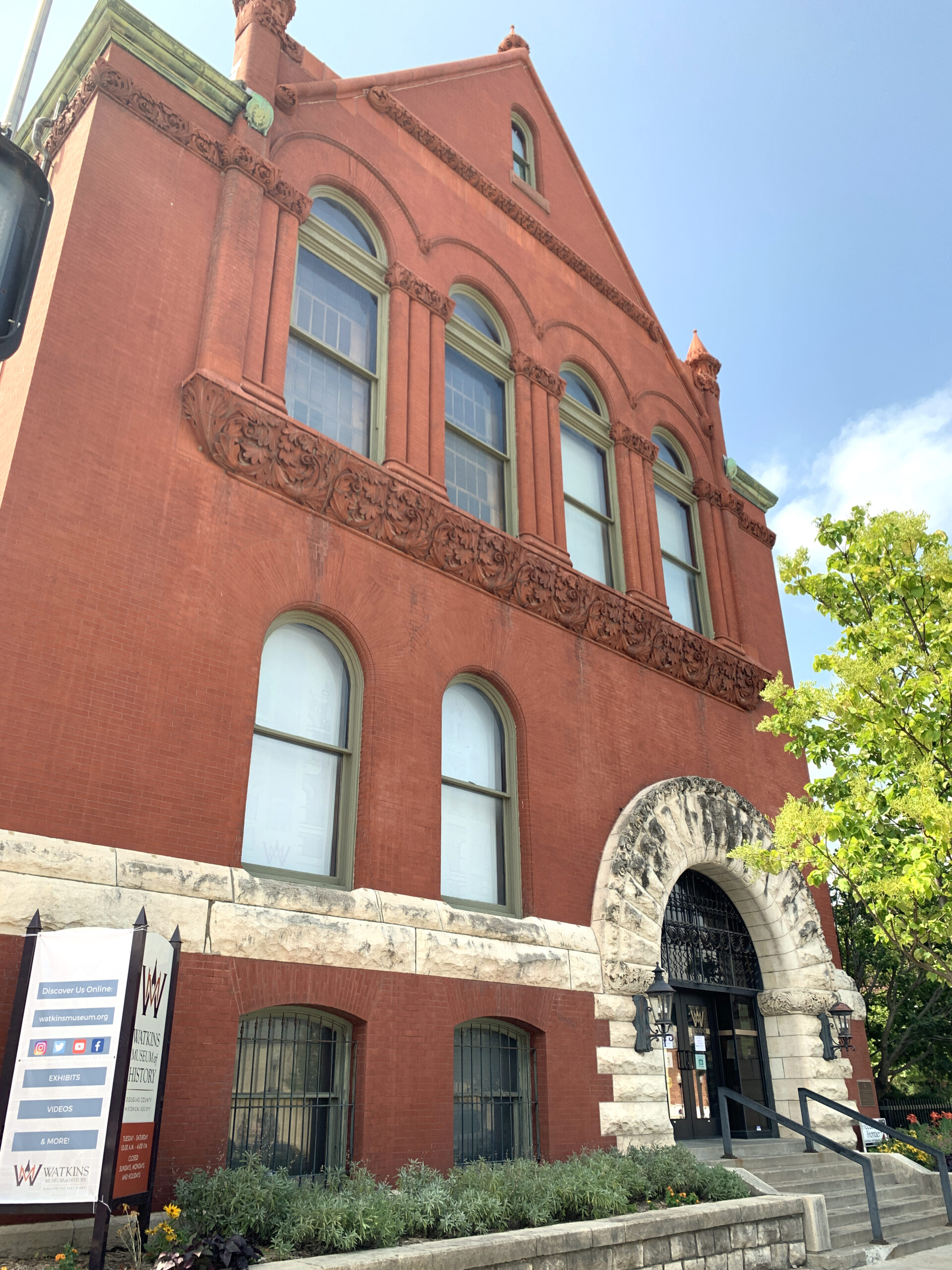 The building’s founder loved ornate architecture and the finest materials available. The building is a masterpiece, with its marble staircases, salvaged stained-glass windows, hand-carved woodwork, and marble mosaic flooring. The bank originally functioned as a place where farmers came for land loans. Later, it was donated to the city and was used as the City Hall until 1970.
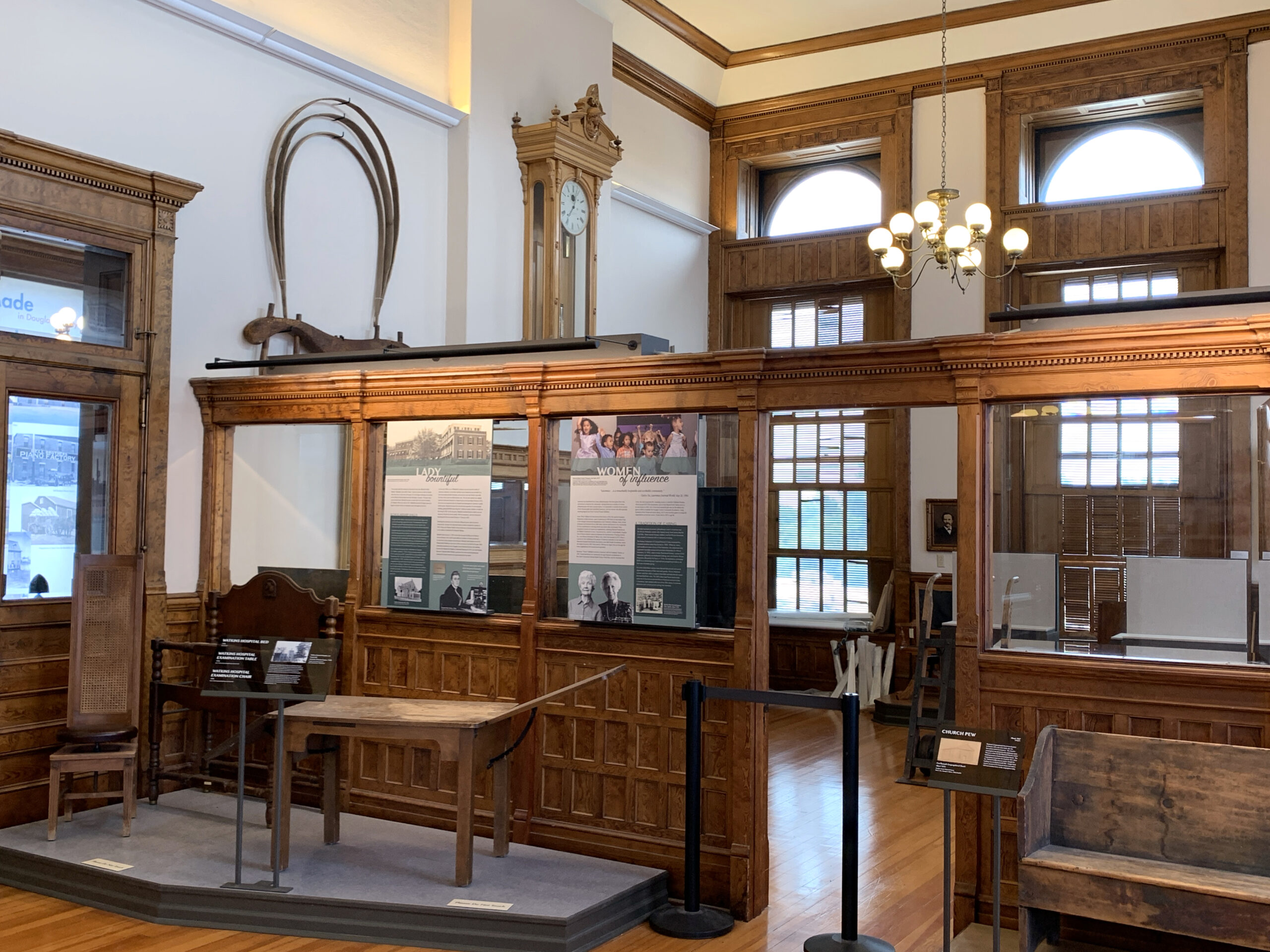
 For the last 10 years, Watkins Historical Museum has been welcoming visitors to tour the building and its permanent exhibits for free. Four smaller rotating exhibits are updated about every six months. The permanent collections’ themes range from Lawrence’s history to University of Kansas basketball to pioneer life artifacts.
 The space in the photo below is part of Watkins’ original office, which still includes his fireplace, bank vault, and shutter-covered windows. Artifacts from his wife’s contributions to the University of Kansas are included nearby.
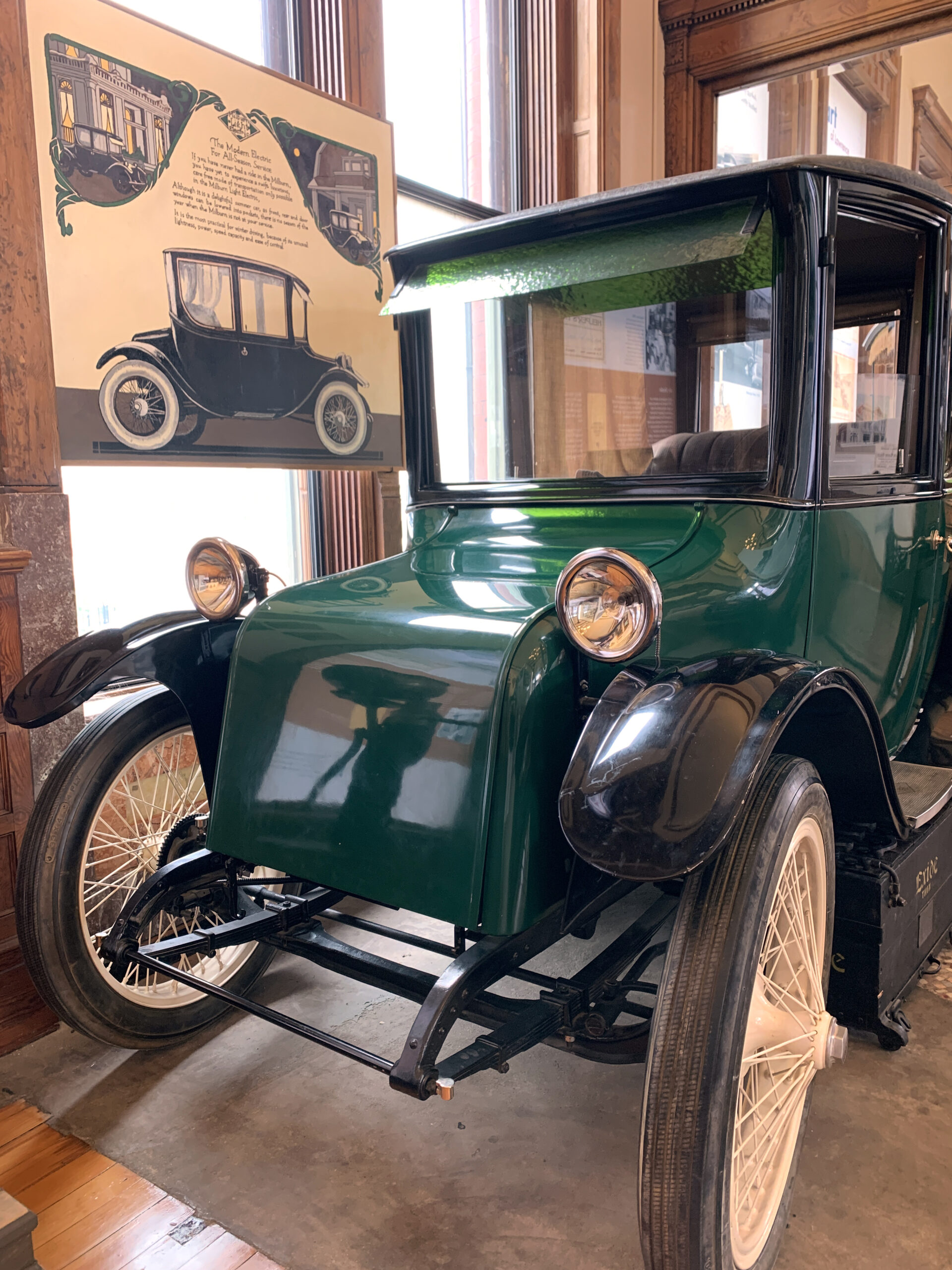
 An authentic electric car sits on display in one corner of the museum. The Milburn Light Electric car was owned by Lawrence resident Eleanor Henley, who used it to run errands in town. When you visit the car, look inside! It doesn’t have a steering wheel. How did Eleanor drive it? You’ll have to take a trip to the museum to find out.
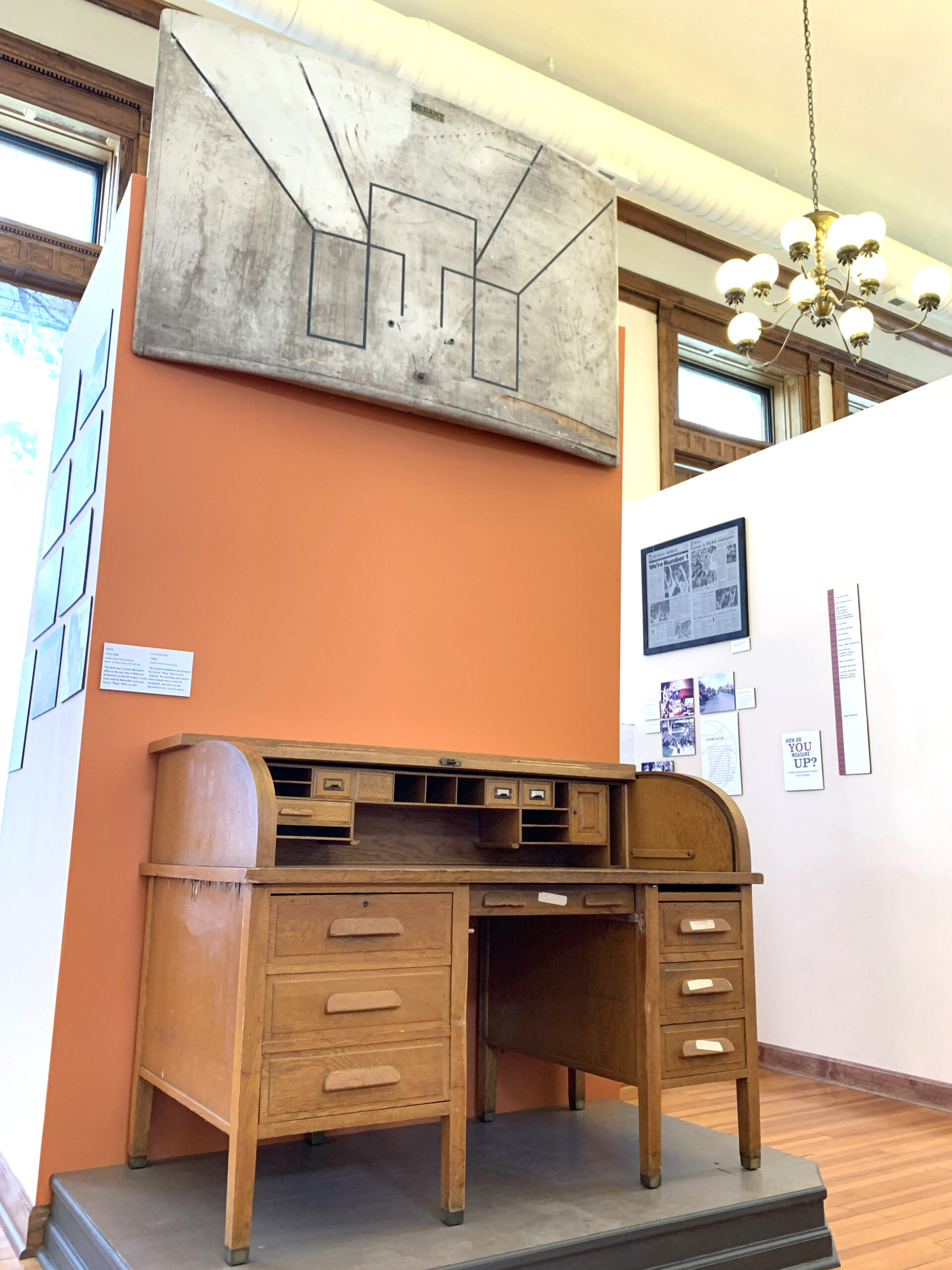
 Below are two significant items from the University of Kansas’ basketball program’s history. James Naismith used the desk in the Robinson Gymnasium on the KU campus. It most likely was also used by Forrest “Phog” Allen. If you open the desk’s drawer, you will see handwritten locker combinations, which may have belonged to the basketball players’ lockers. Allen designed the 1940s practice backboard to teach his students how to arc the basketball.
 Individuals and groups are welcome to visit for self-guided tours, though the museum prefers to prepare for student visits. To find out more about visiting the museum and its collections, view their
 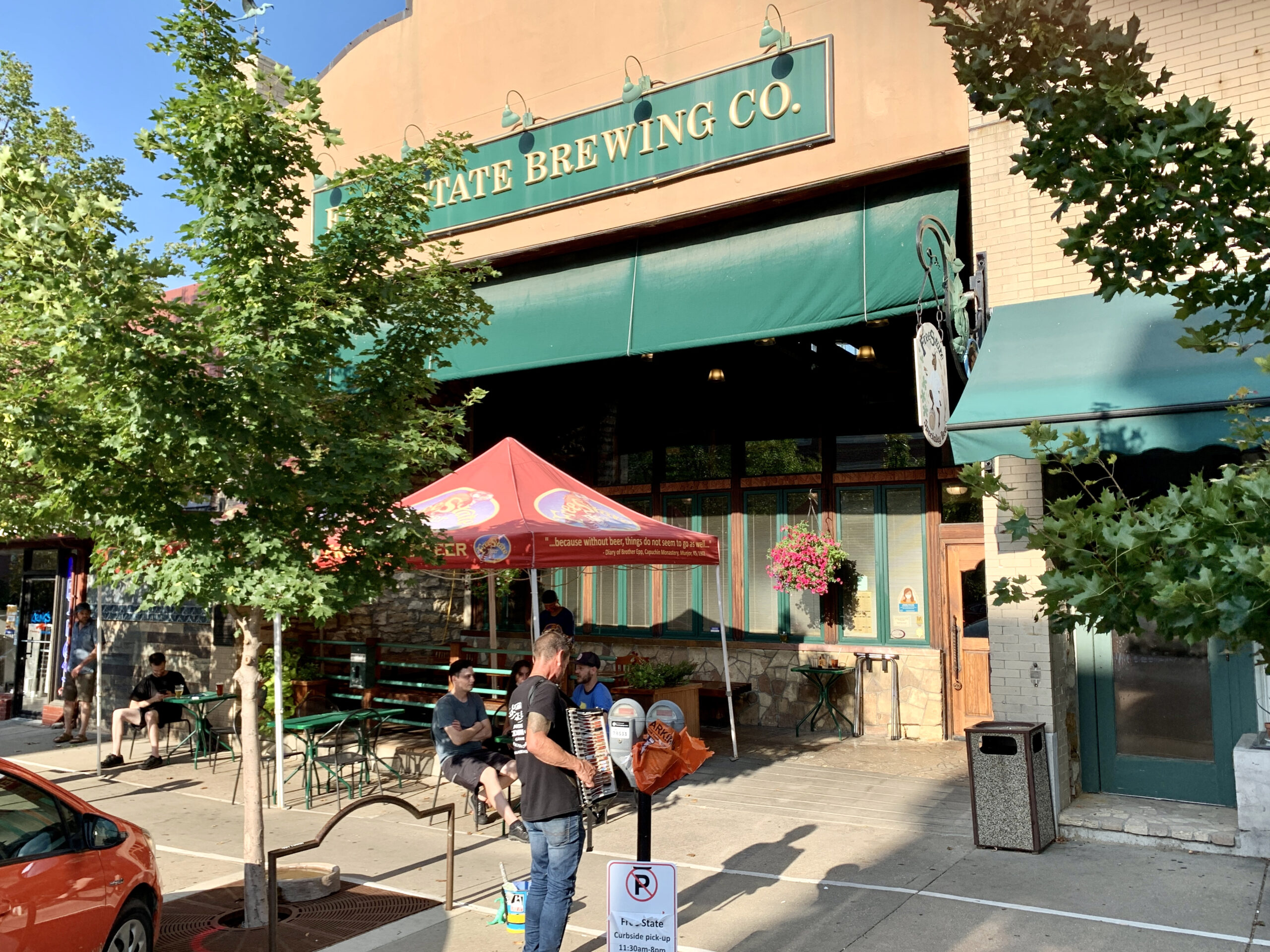 Their menu has always featured dishes made with fresh ingredients, with flair. You won’t find standard pub grub at Free State. The menu options appeal to foodies who appreciate unique flavor combinations and the freshest ingredients.
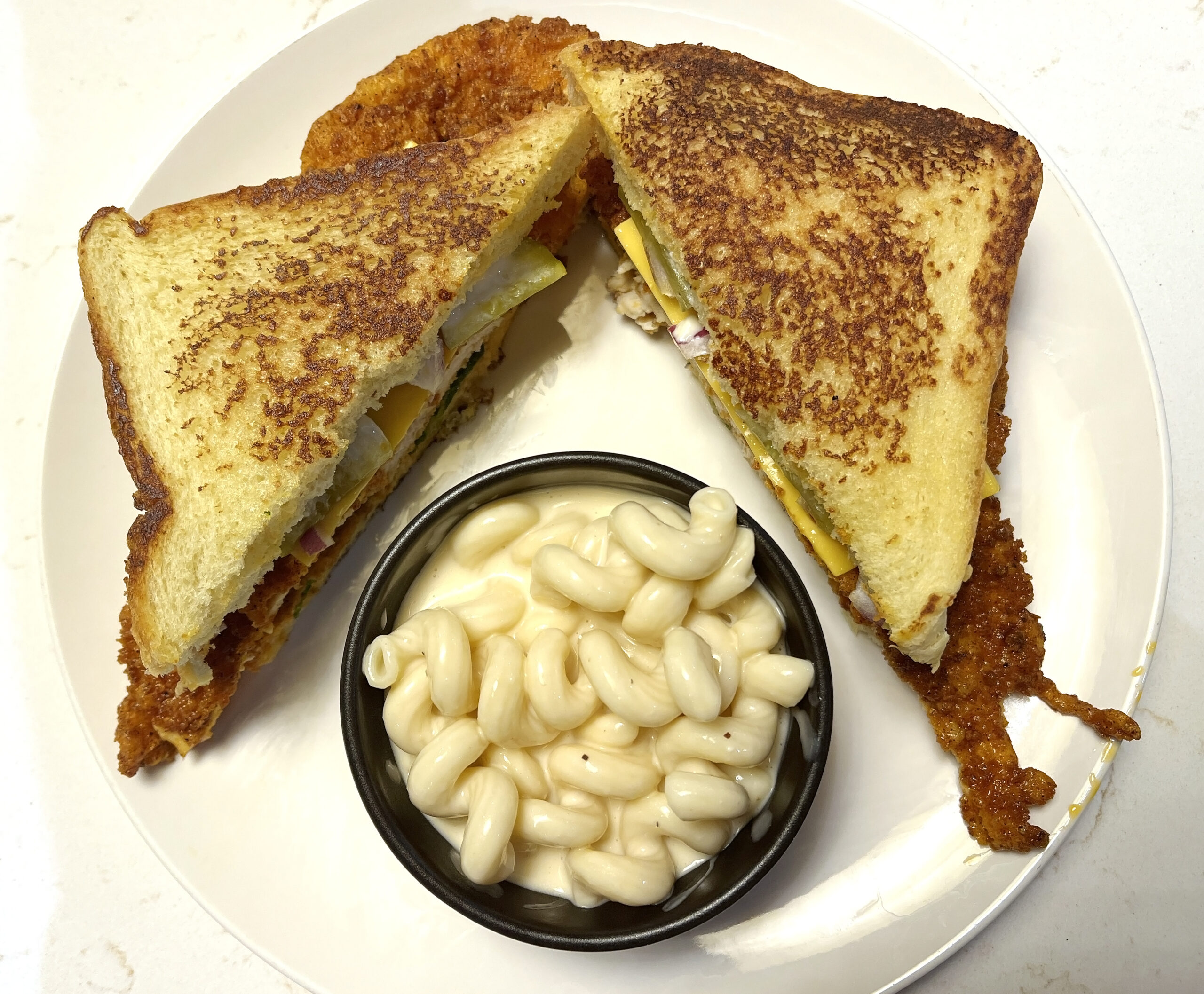
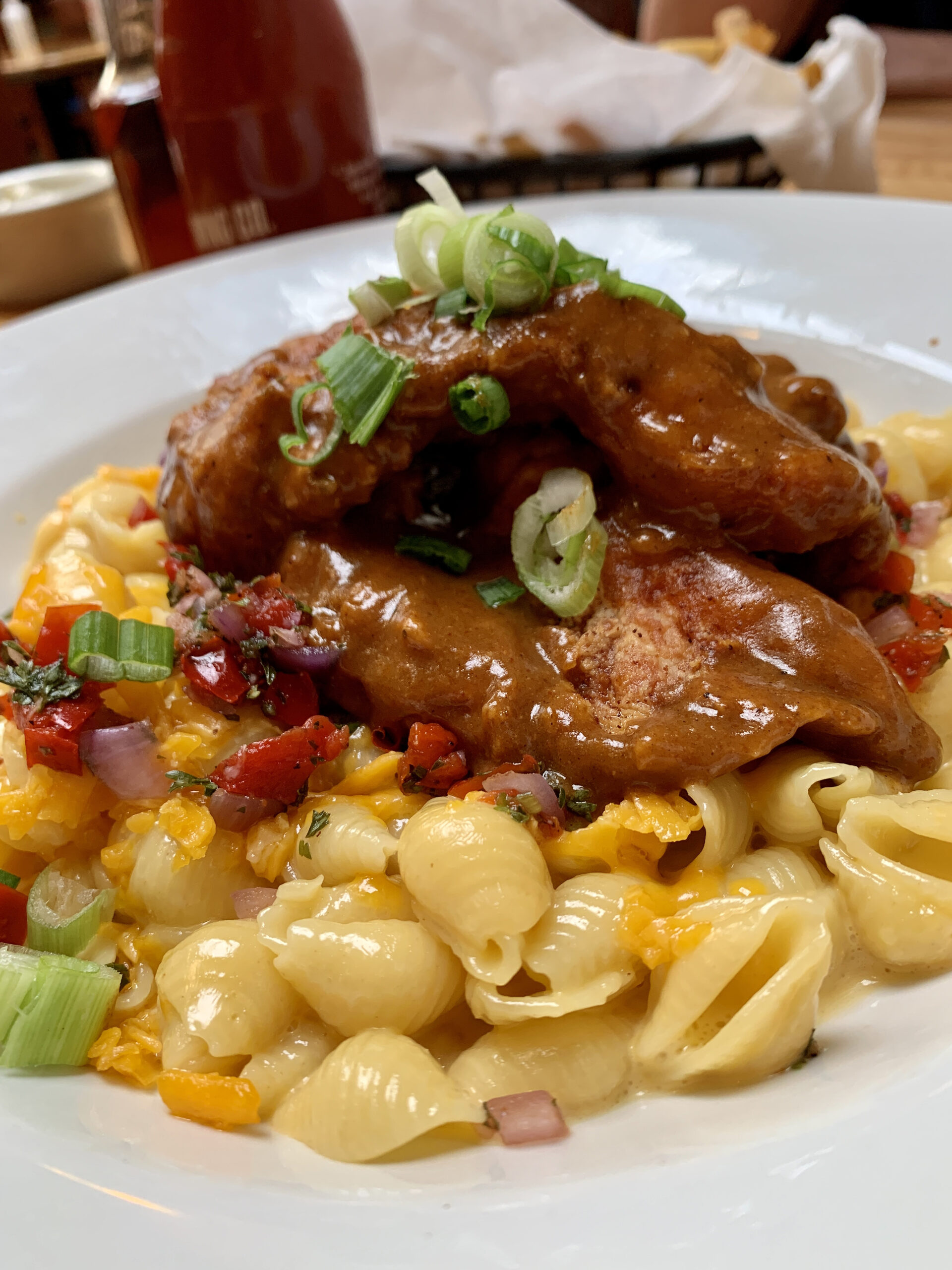
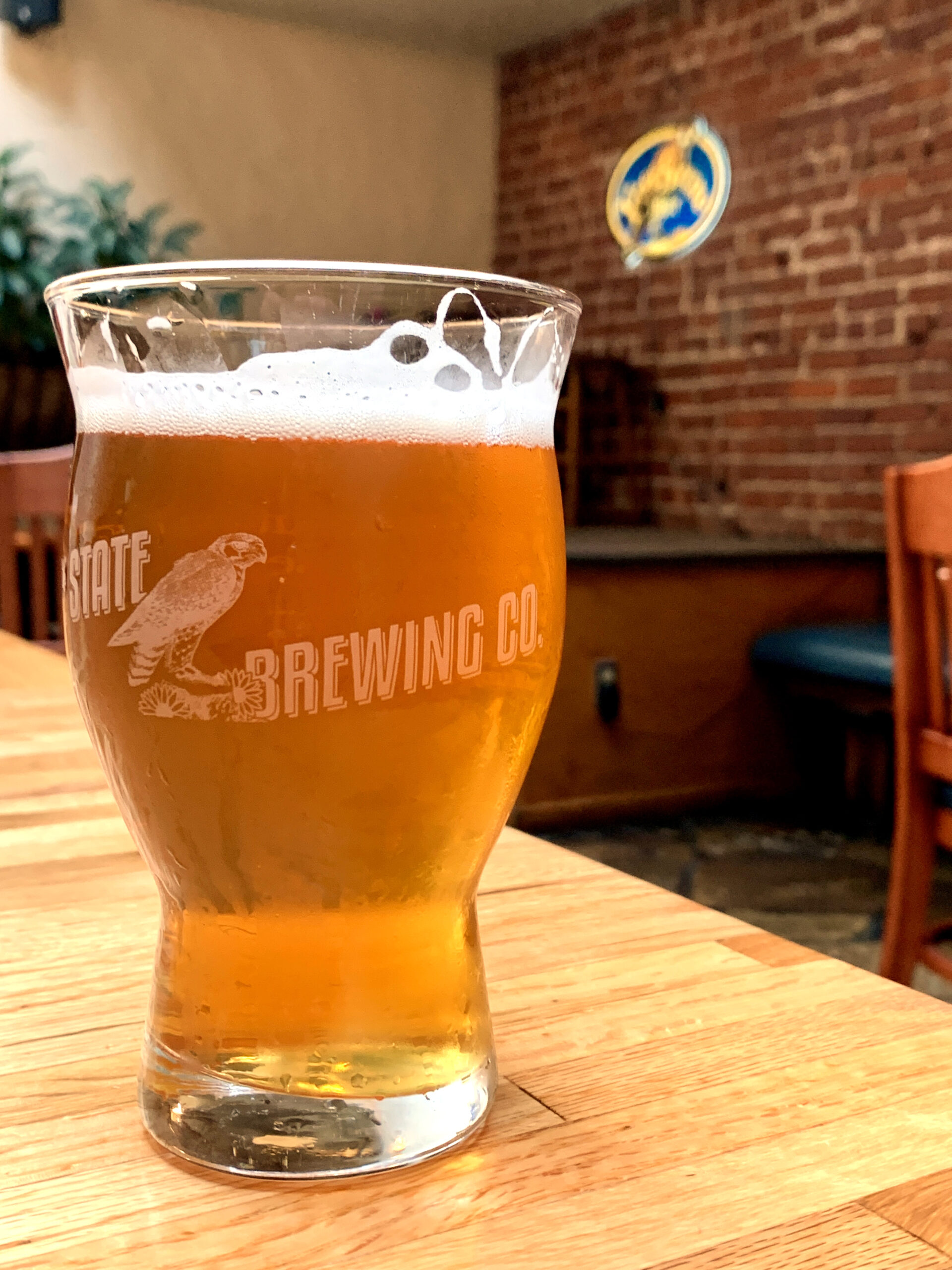 We enjoyed the Filipino Egg Rolls with Sesame Chile Soy Dipping Sauce as an appetizer and shared the Nashville Chicken Mac and Free State Fish and Chips for dinner.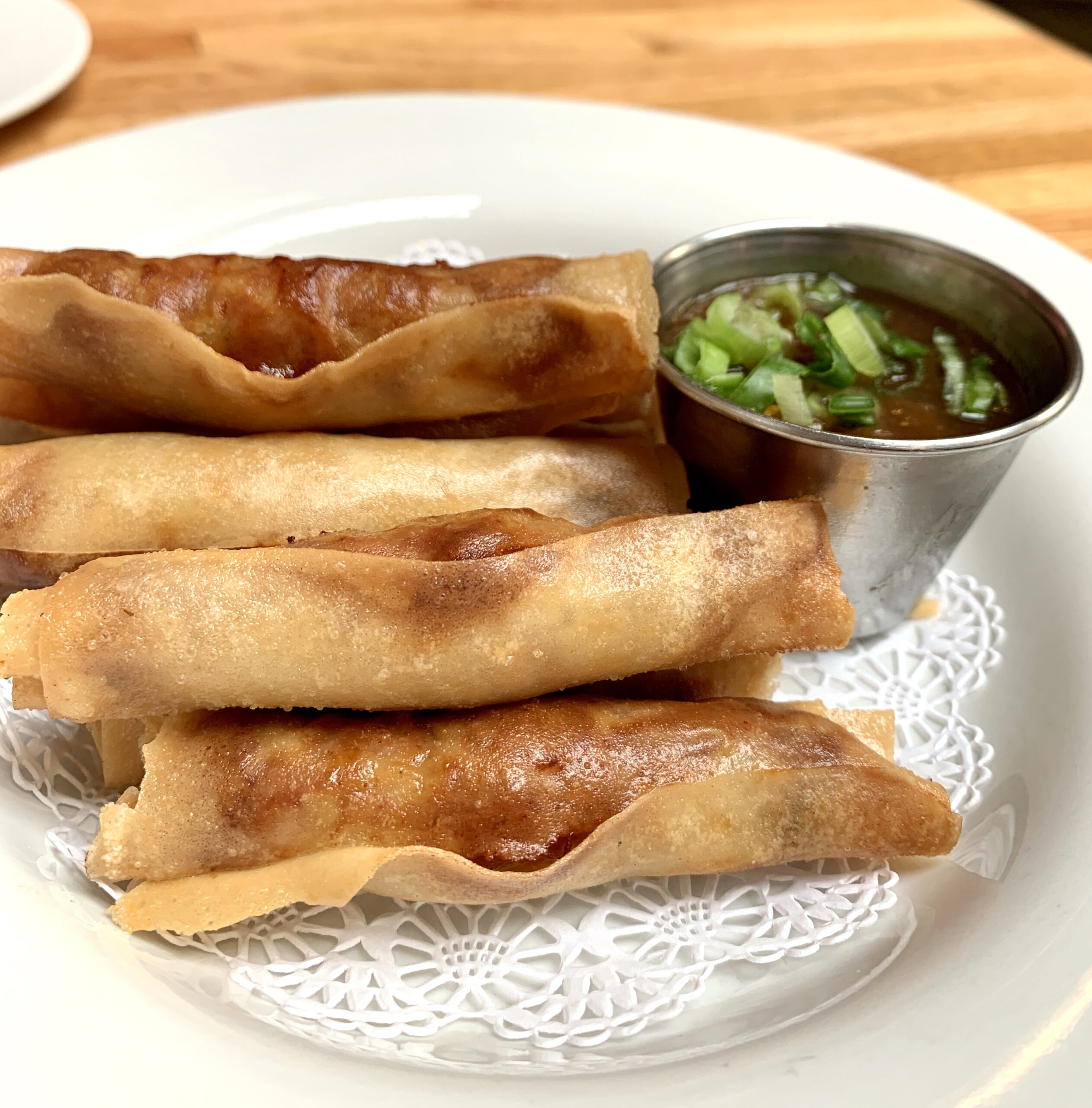
 I highly recommend stopping at Free State Brewing Co. for lunch or dinner during your visit to Lawrence. Although they are not hosting brewery tours now, you can check their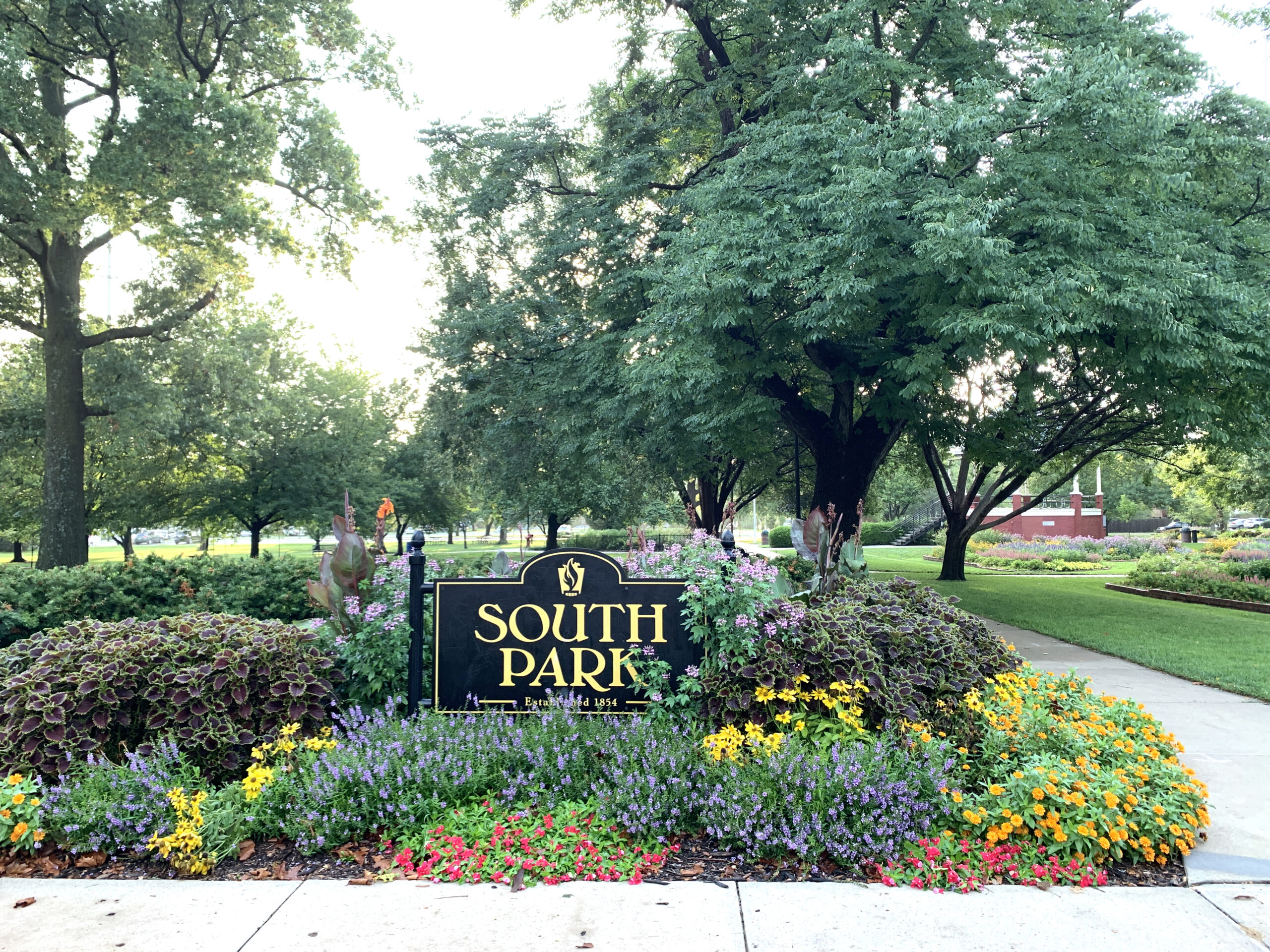
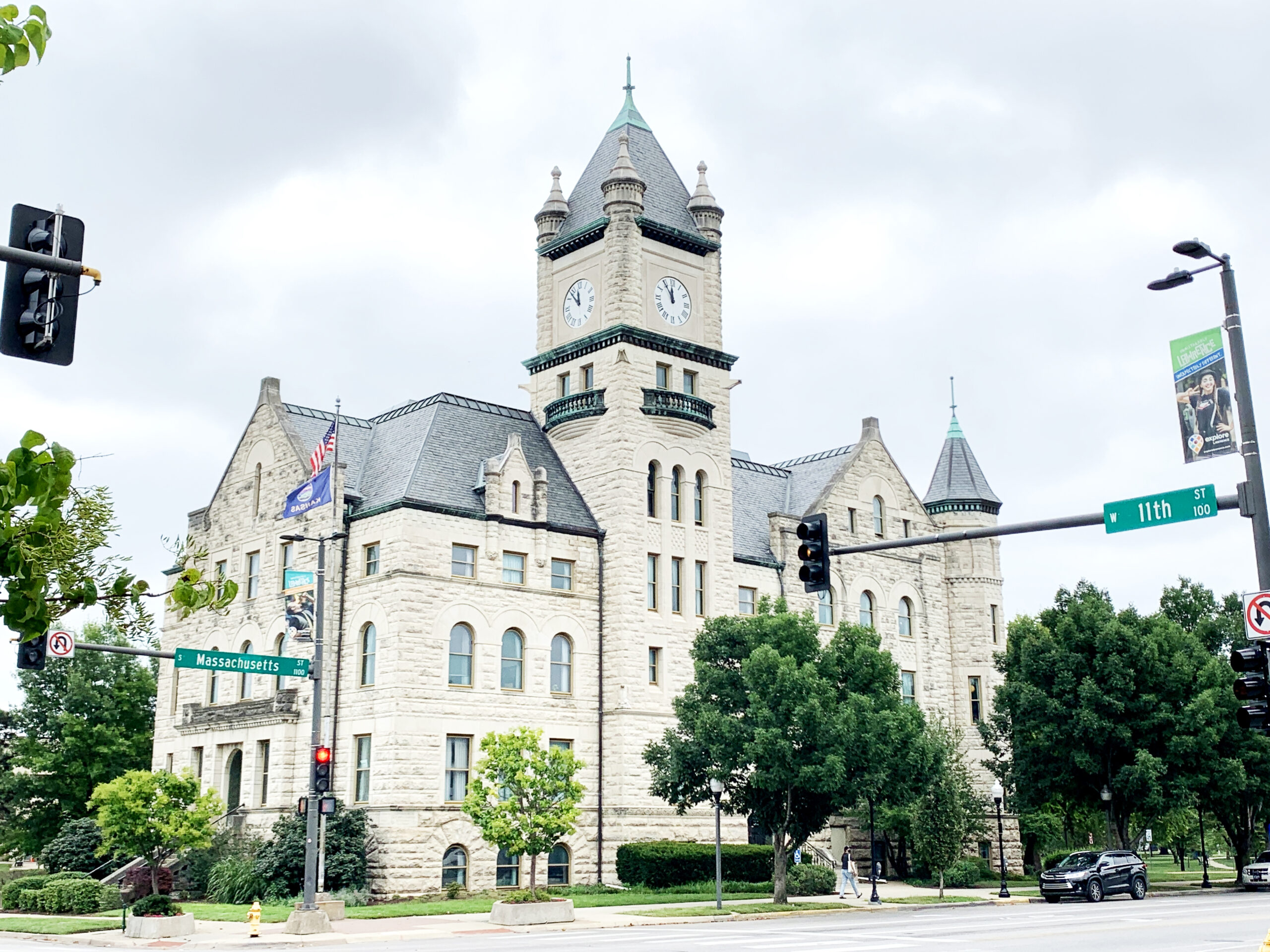 My explorations led me to
 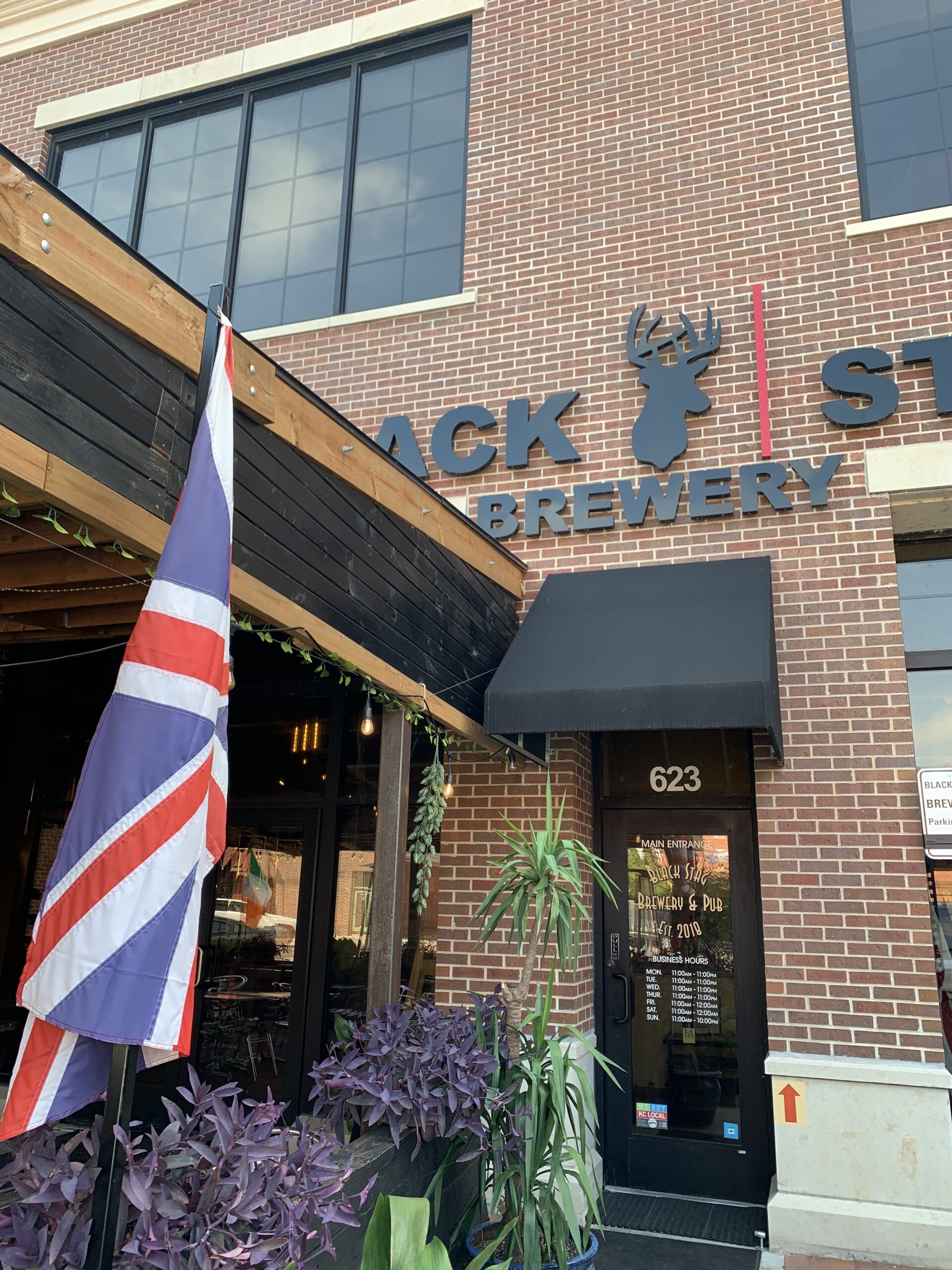 Unsure what beer you want a pint of? Ask the bartender for samples. I enjoyed tasting the Mosaic Dream IPA and the 1865 Black Stag.
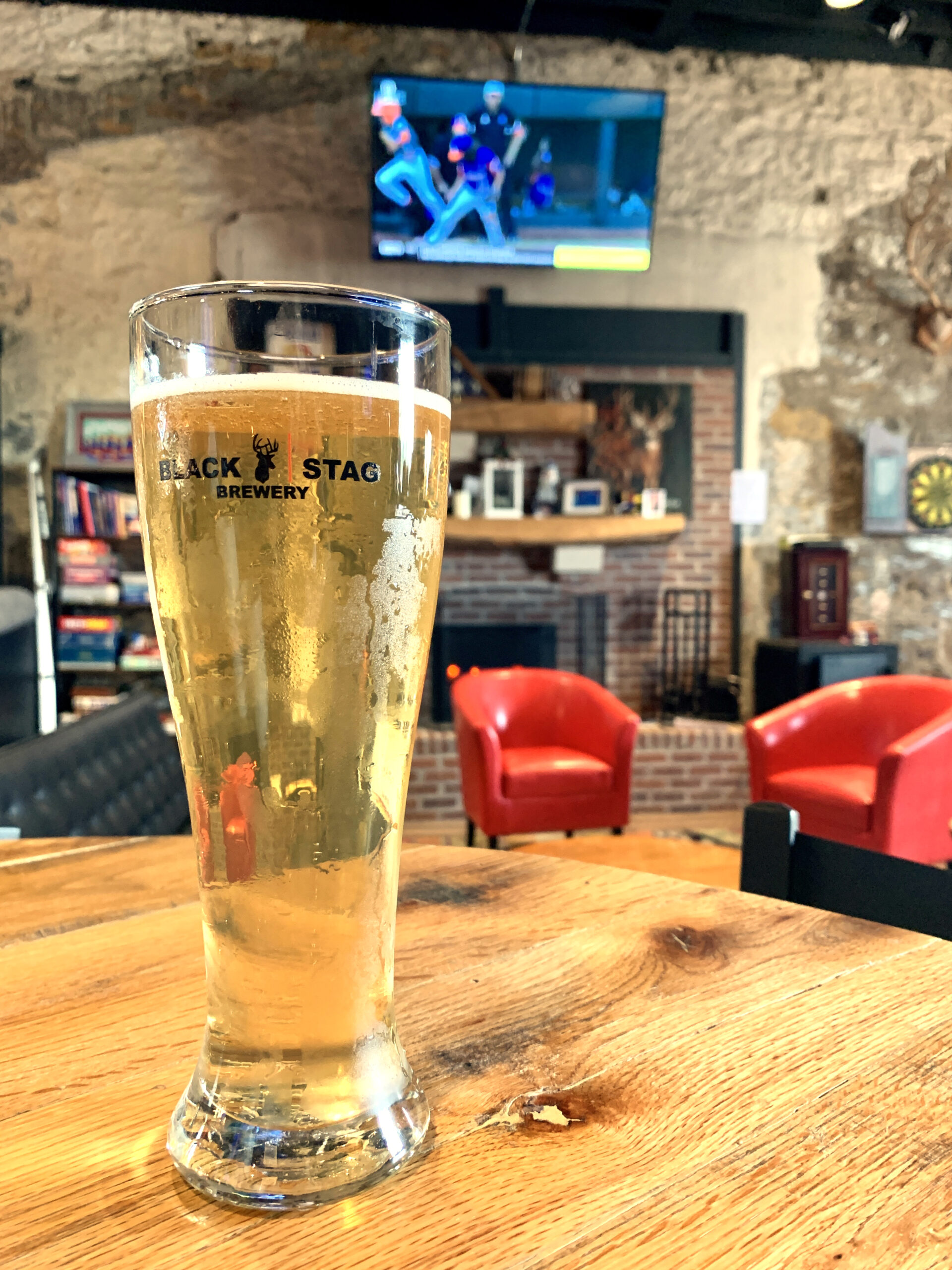 When in Lawrence, I also like to revisit a few tried-and-true hangouts.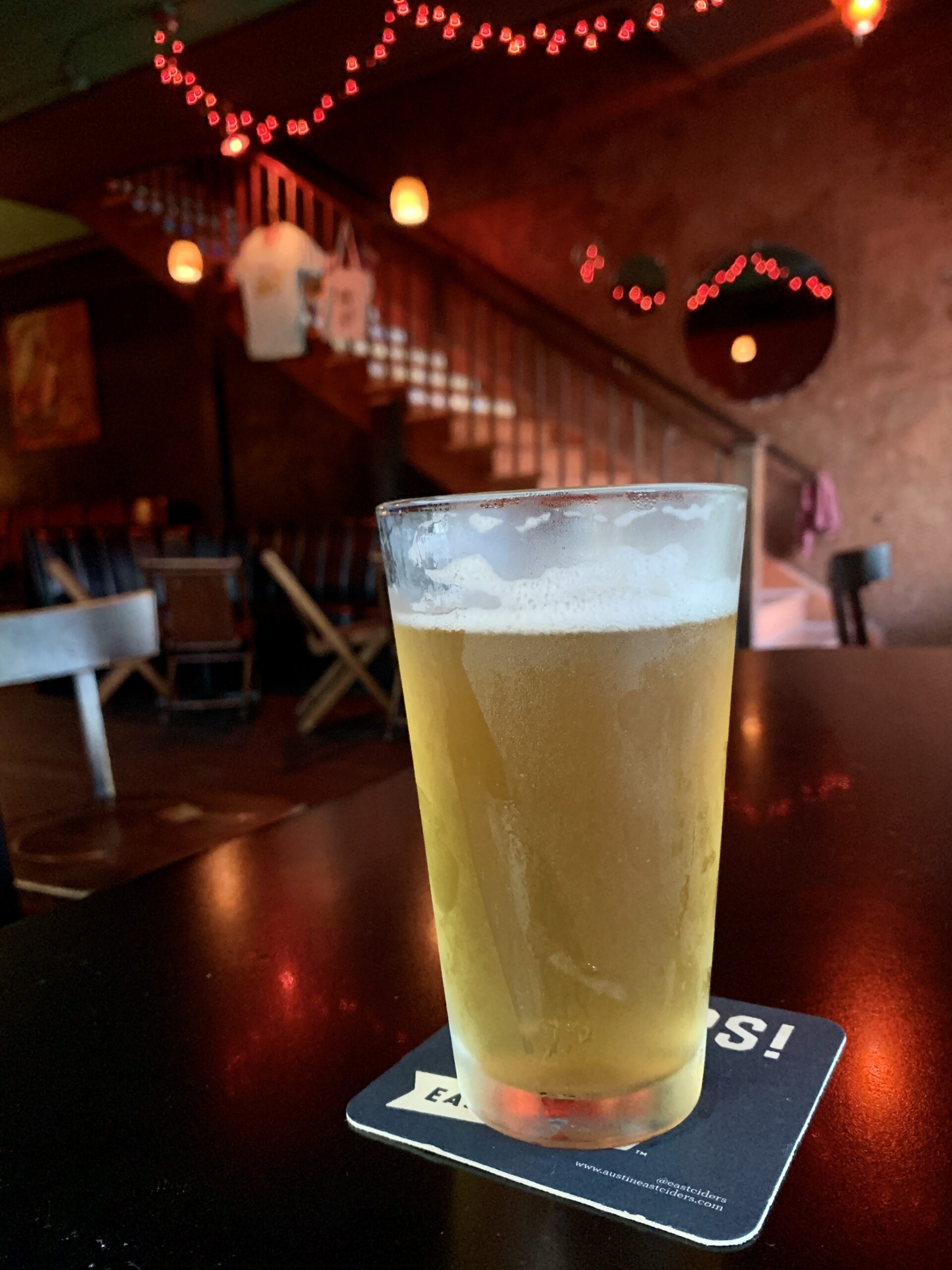
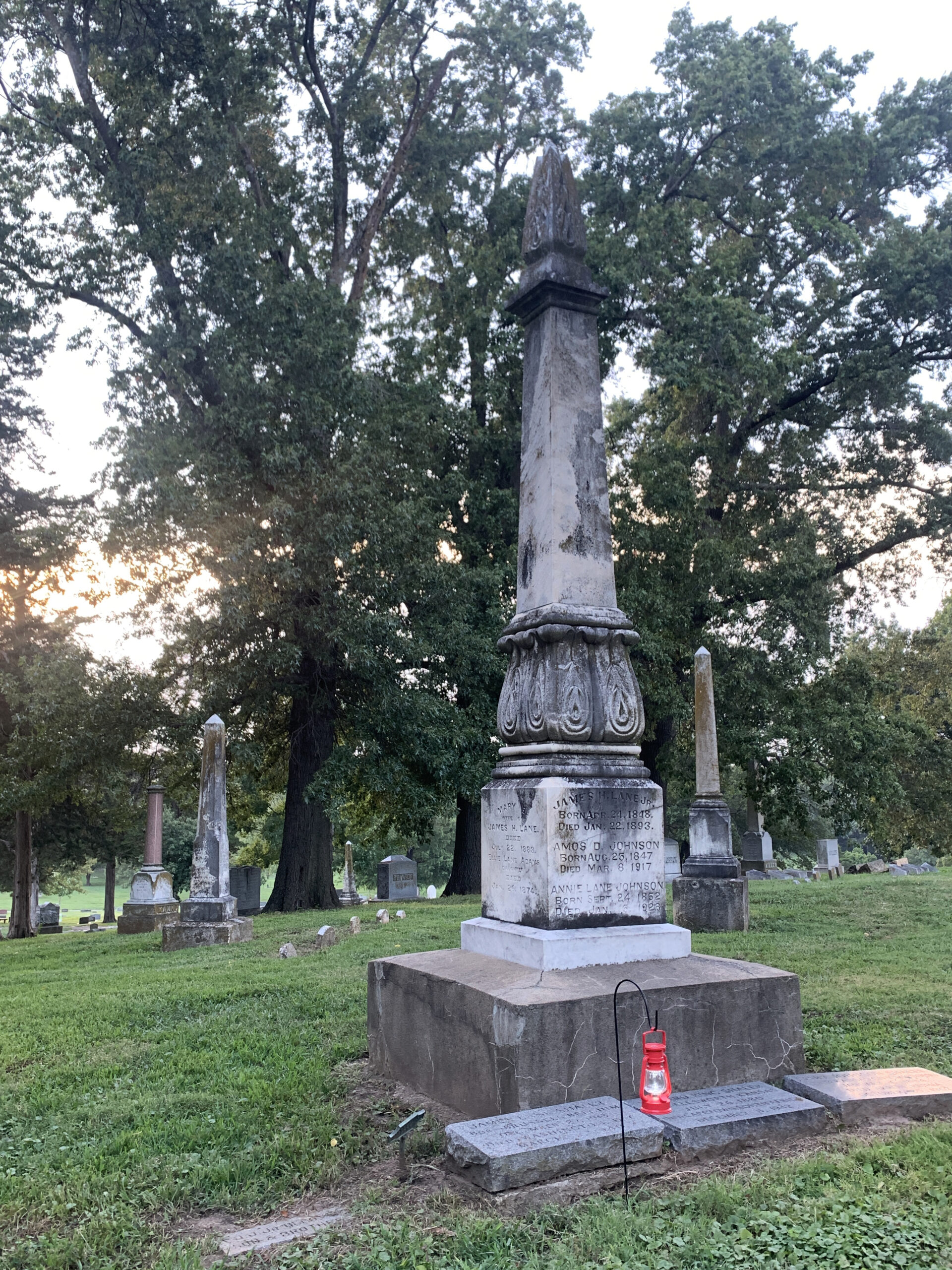
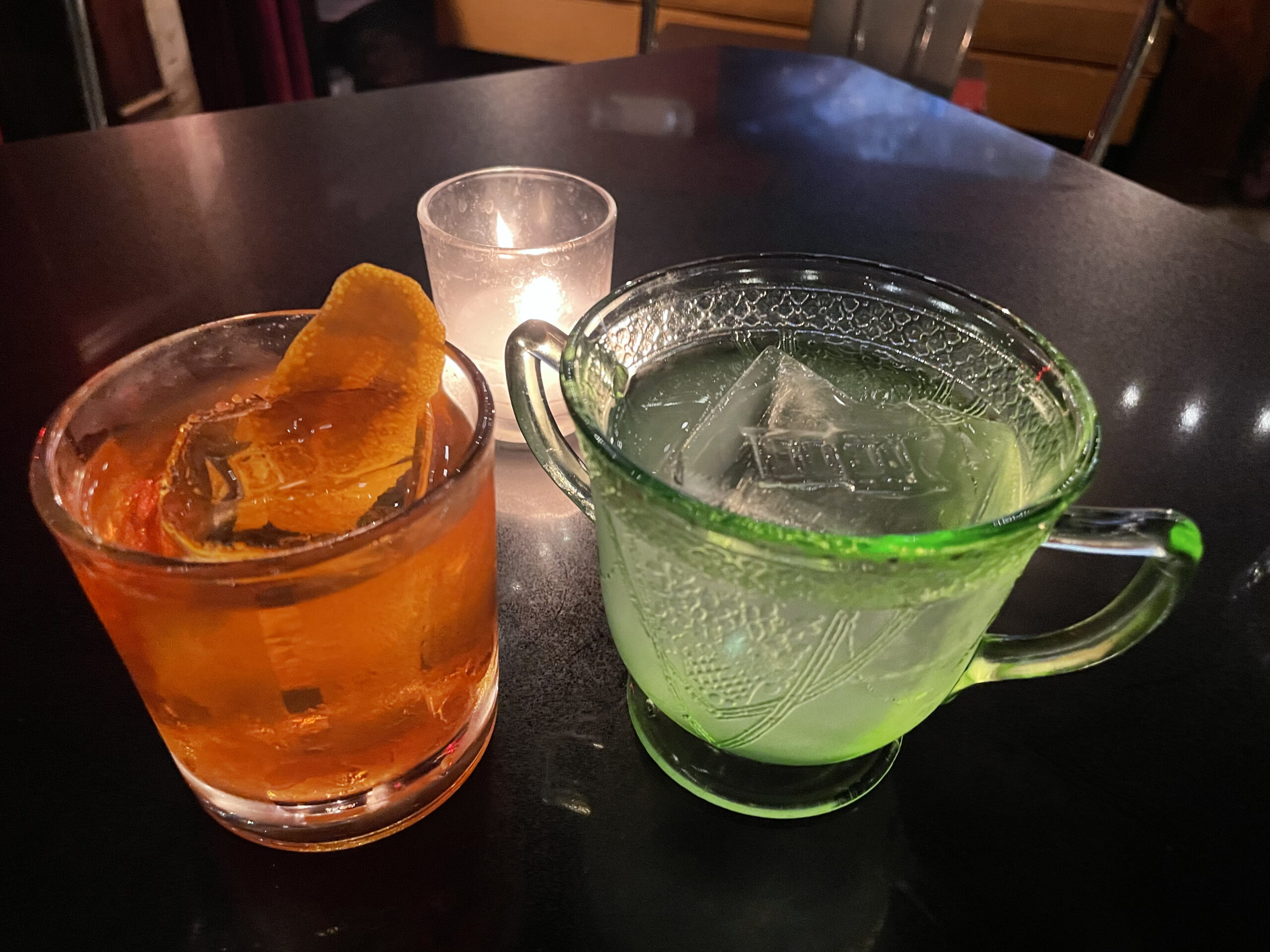 A friendly server helped me choose a cocktail recipe from a long list of options. Since it was the eve of the anniversary of Quantrill’s Raid, I chose the John Brown made from whiskey, rum, demerara sugar, and bitters. It was spirit-forward but smooth.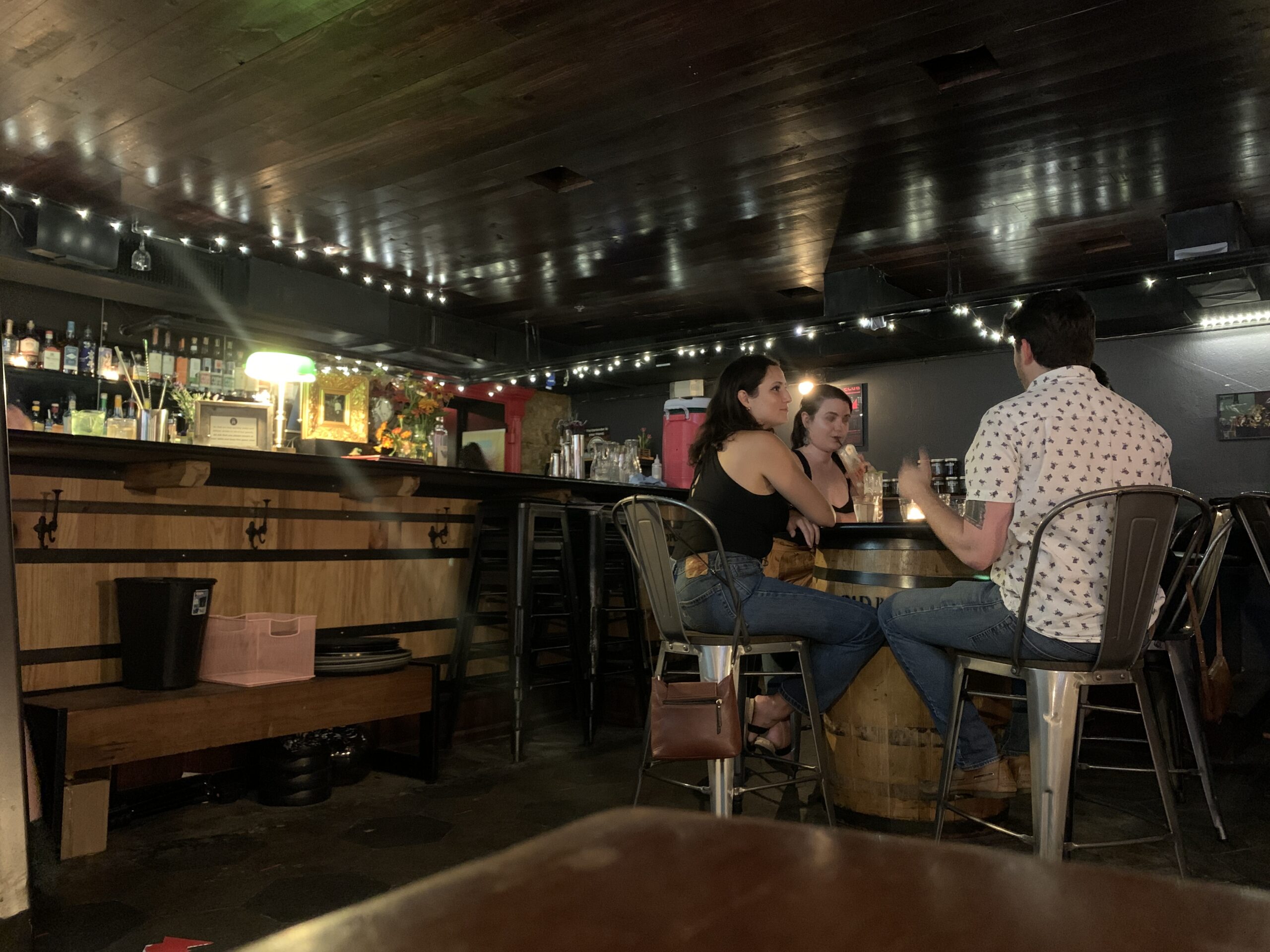
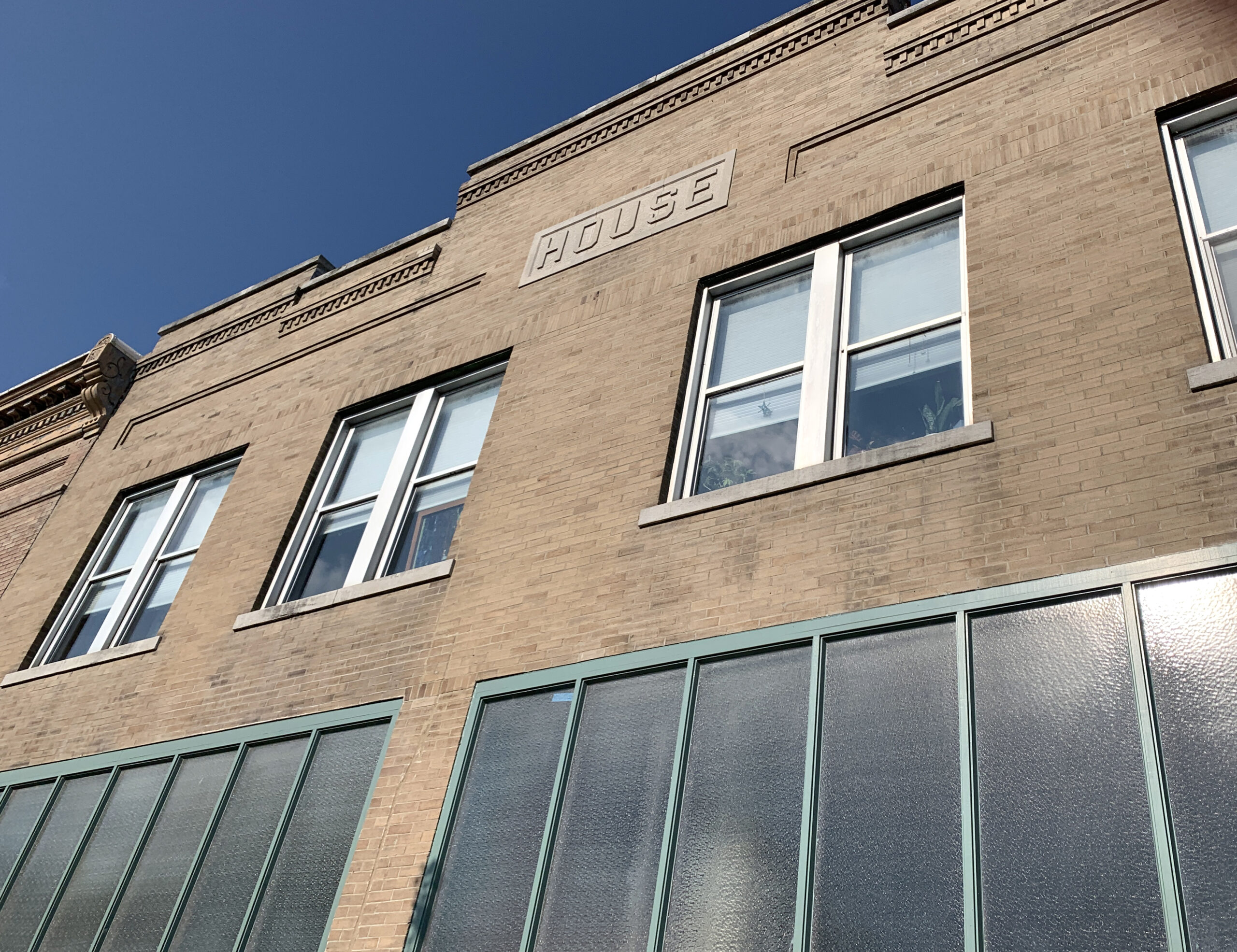
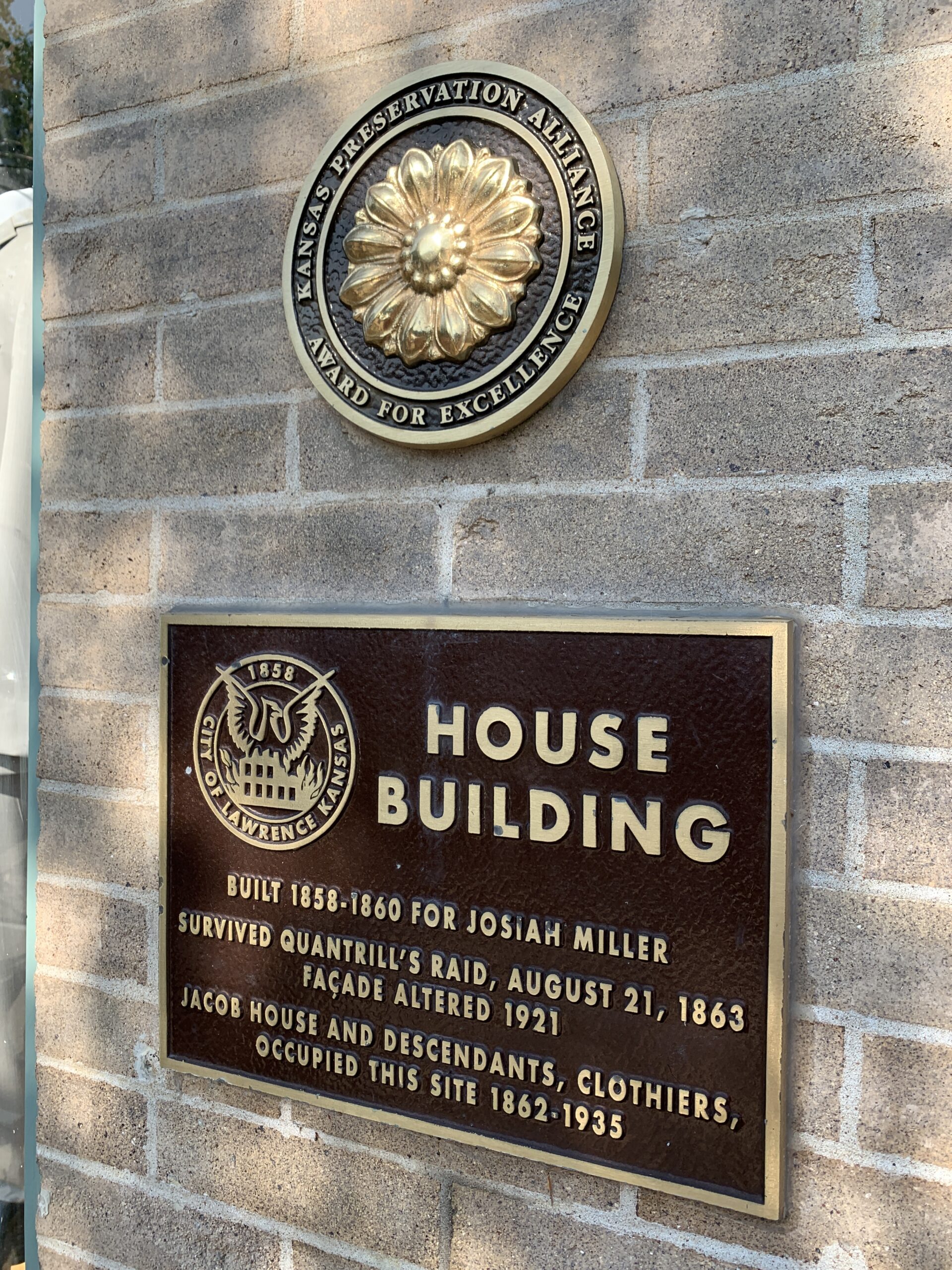 During the tour, Jewell pointed to buildings that were rebuilt after that fateful date in history. A post-raid campaign was the focus of community members who wanted to rebuild a shattered community. Lawrence’s downtown district is a testament to their will to survive.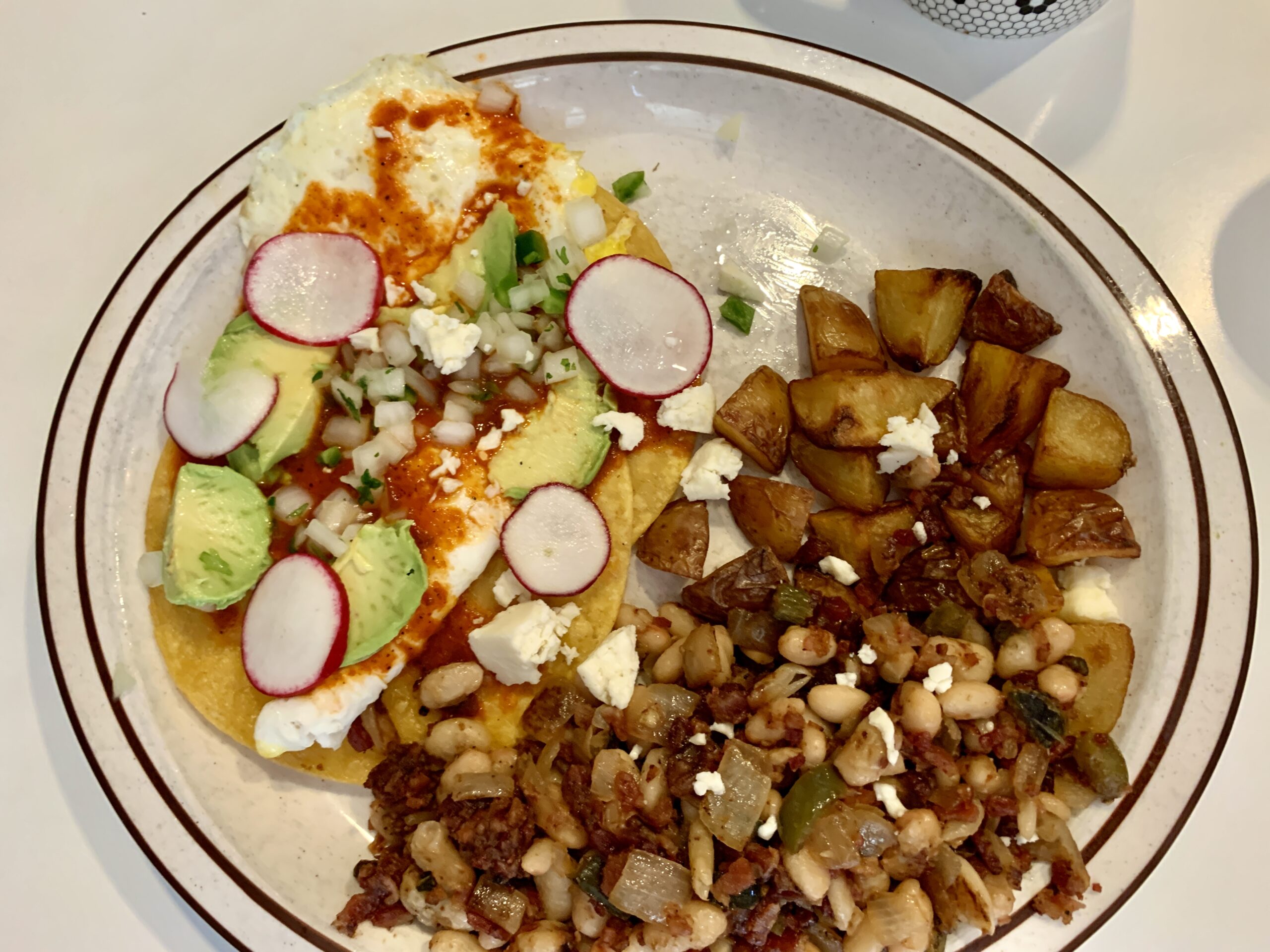
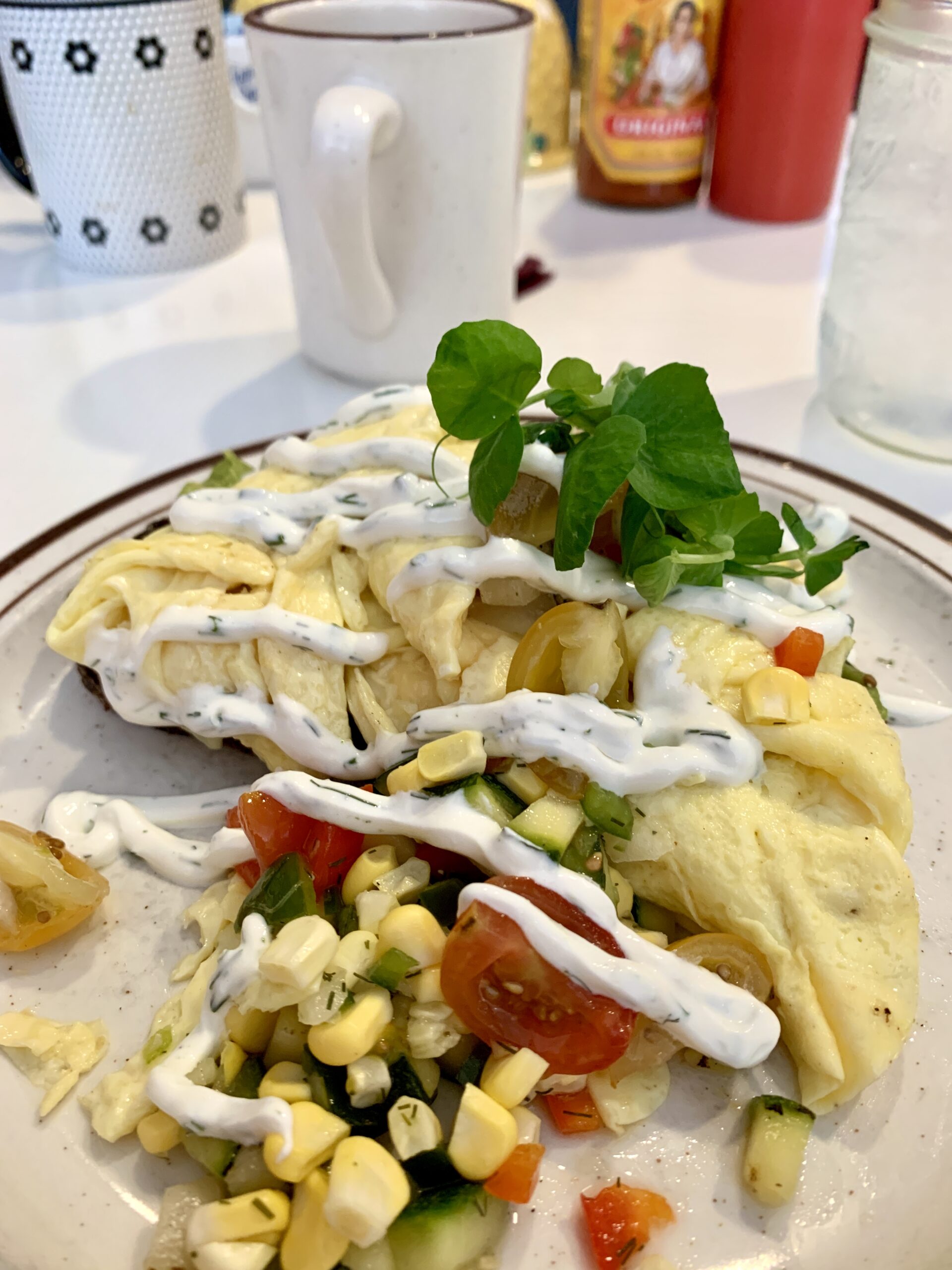 We enjoyed Avocado Toast with Scrambled Eggs and Huevos Rancheros with Corn Tortillas. With room left for dessert, I chose a slice of peach pie with a latticework crust. Beyond delicious. He said, “It’s one of the best breakfasts I’ve ever had.”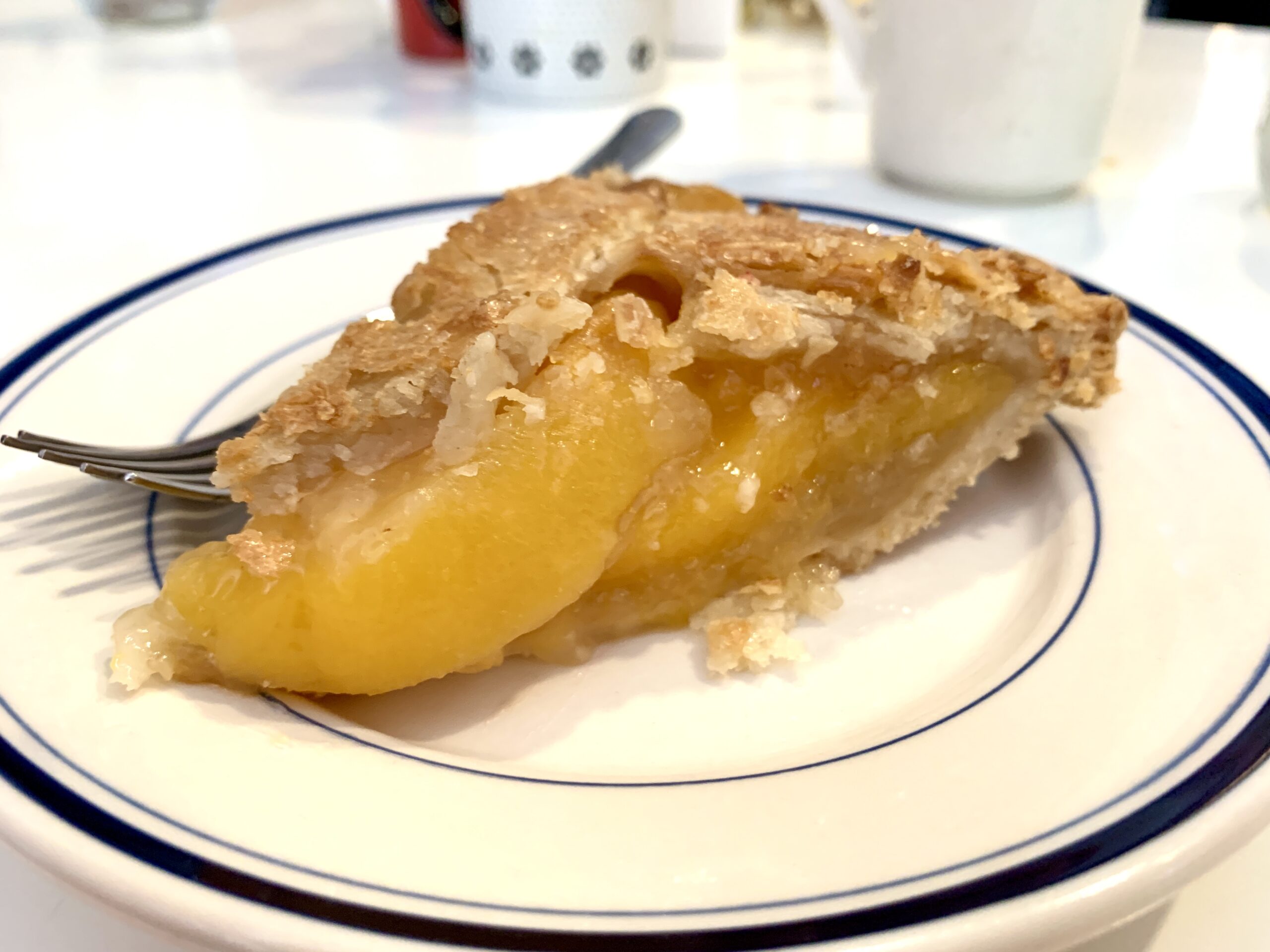
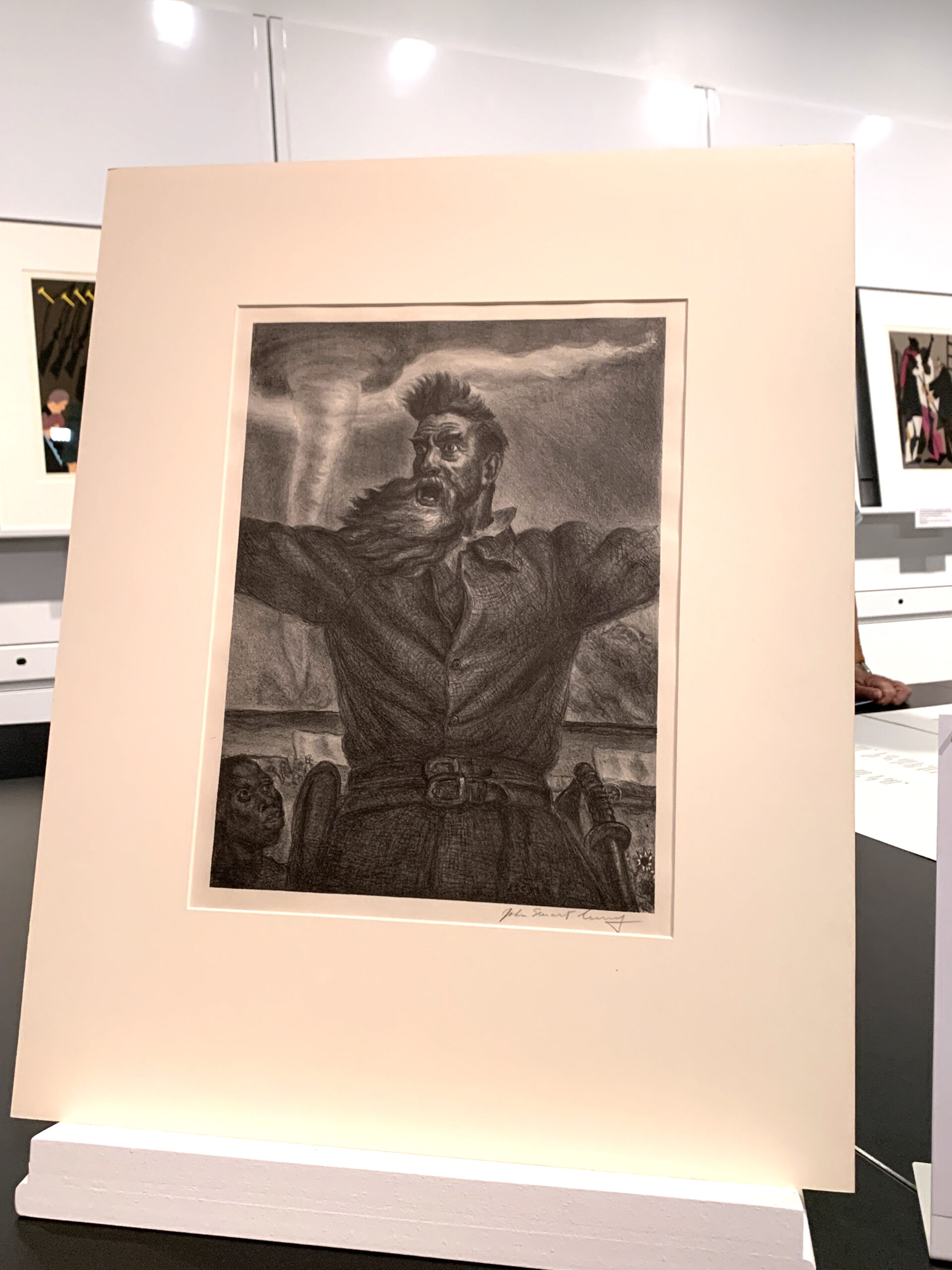
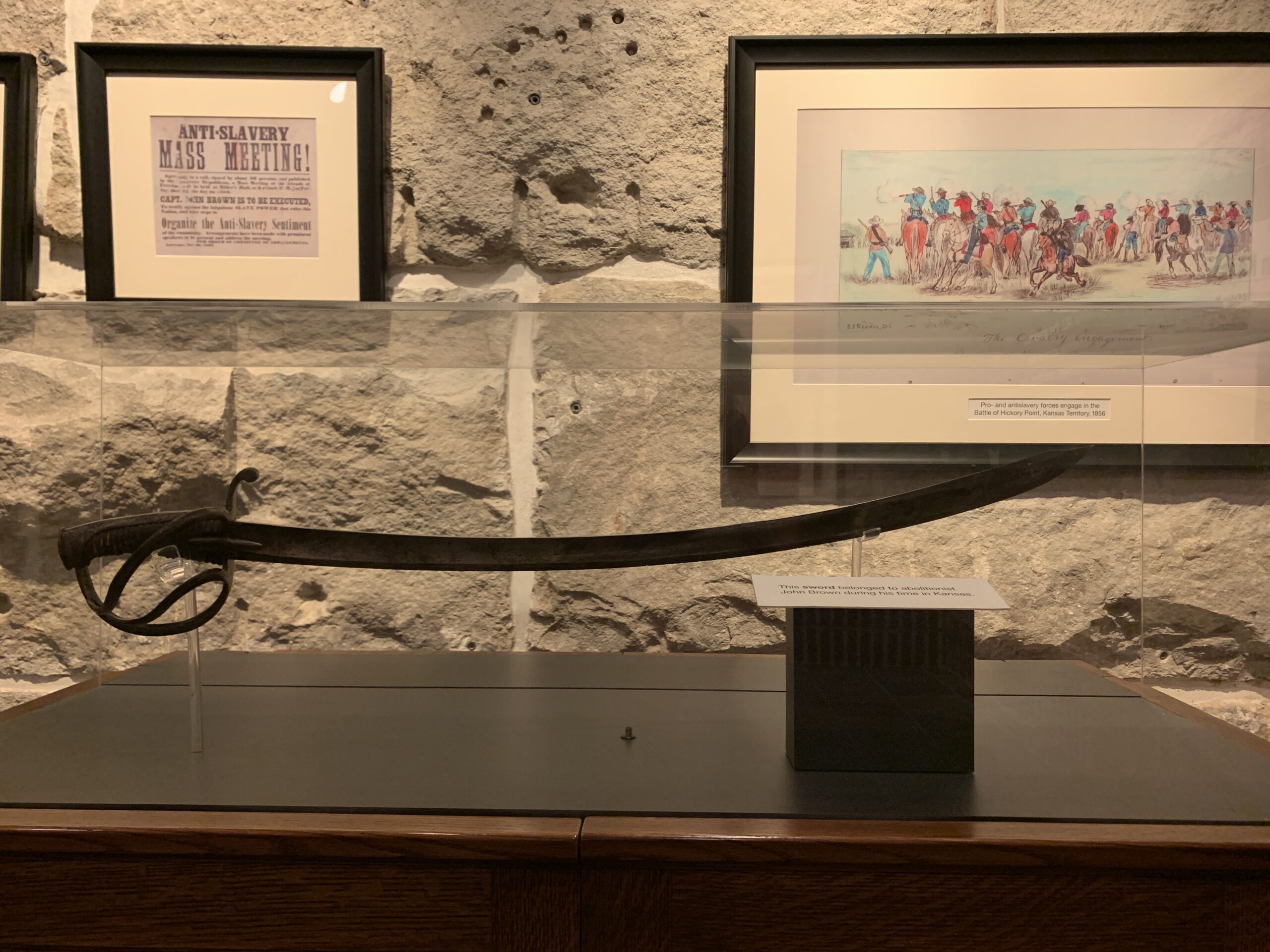
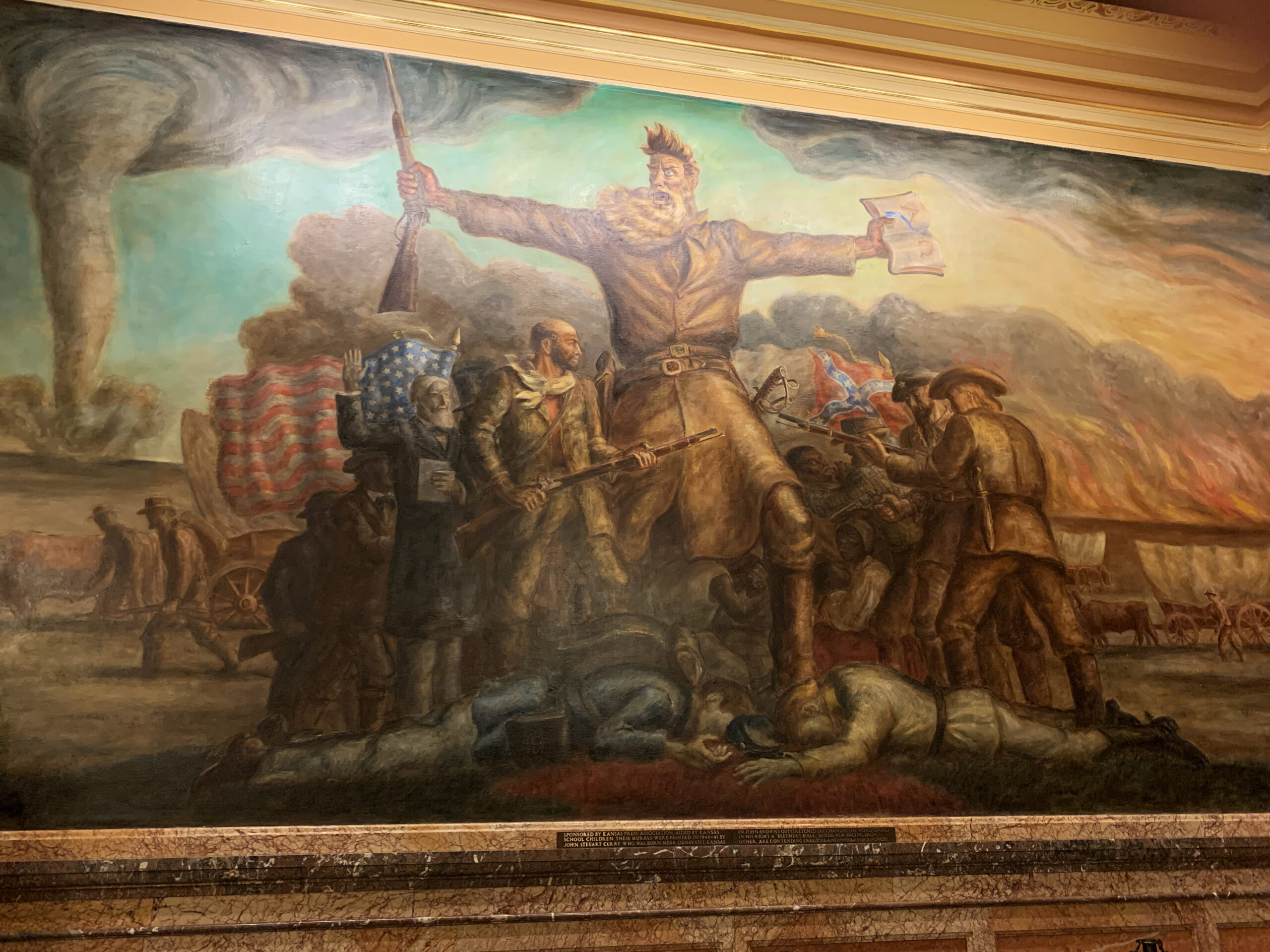 The original sword belonging to Brown is also on display in a rotunda room not far from the Kansas Constitution. It is part of a larger collection of artifacts that tells the story of when the Kansas Territory was established on the brink of the Civil War. We got lucky and visited the capital minutes before a guided tour was about to begin.
 To truly understand a town’s existence, you must dive deep into its history books. Peruse its museums. Walk its streets. I invite you to travel to Lawrence and visit these historical places and the ones that welcome visitors today. It’s a town near and dear to my heart, and now I appreciate it that much more.