Disclosure: Kansas I-70 Association sponsored this post. However, all opinions and photographs are my own.
The western Kansas town of Oakley is a haven for fun things to do. My road trip on KS I-70 led me to Exits 70 and 76, where attractions like the Buffalo Bill Cultural Center and Fick Fossil Museum promised a fun day. But before I could focus on the town’s history, I needed something to eat.
BREAKFAST
SUNSHINE BAKERY
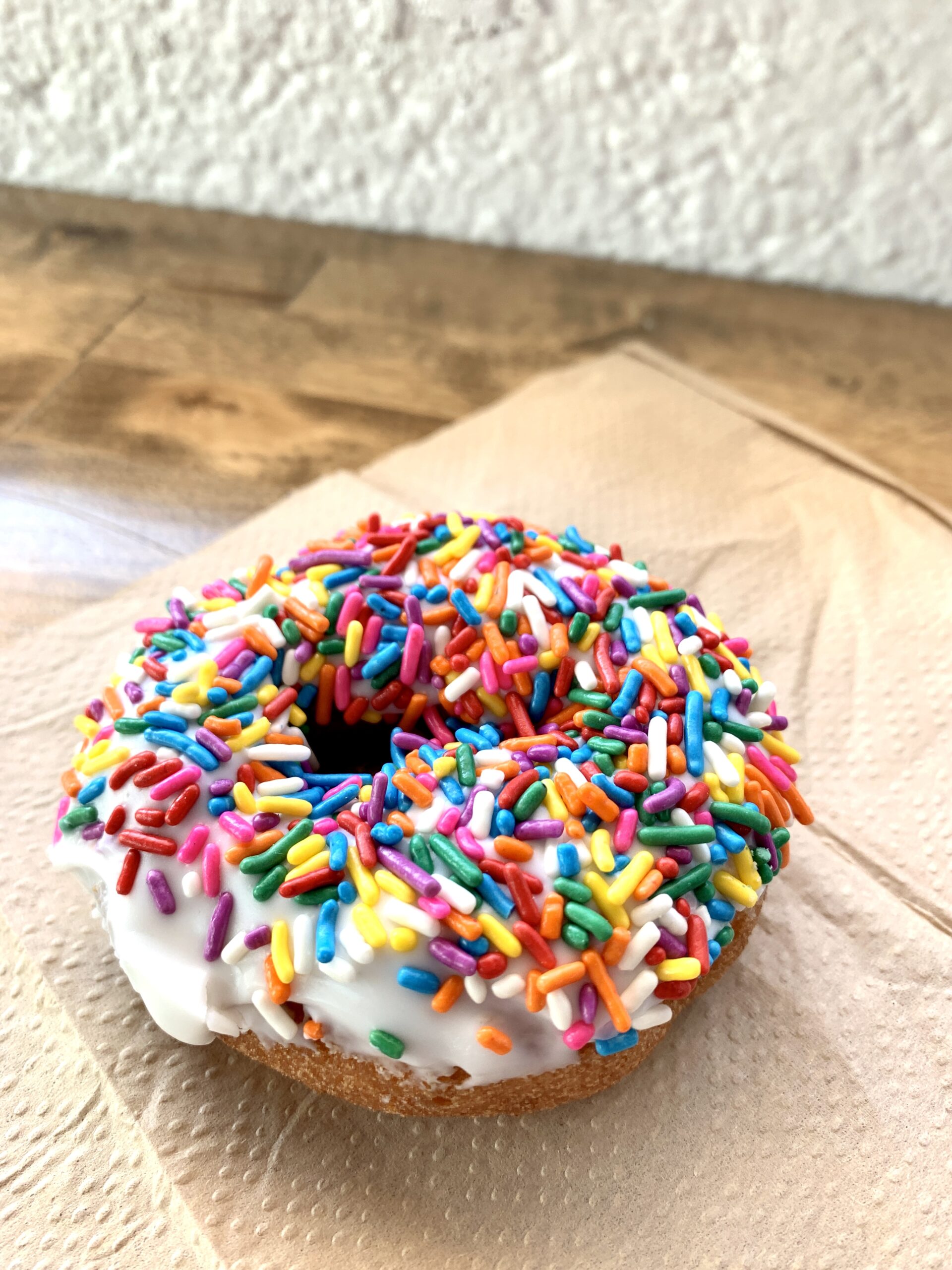
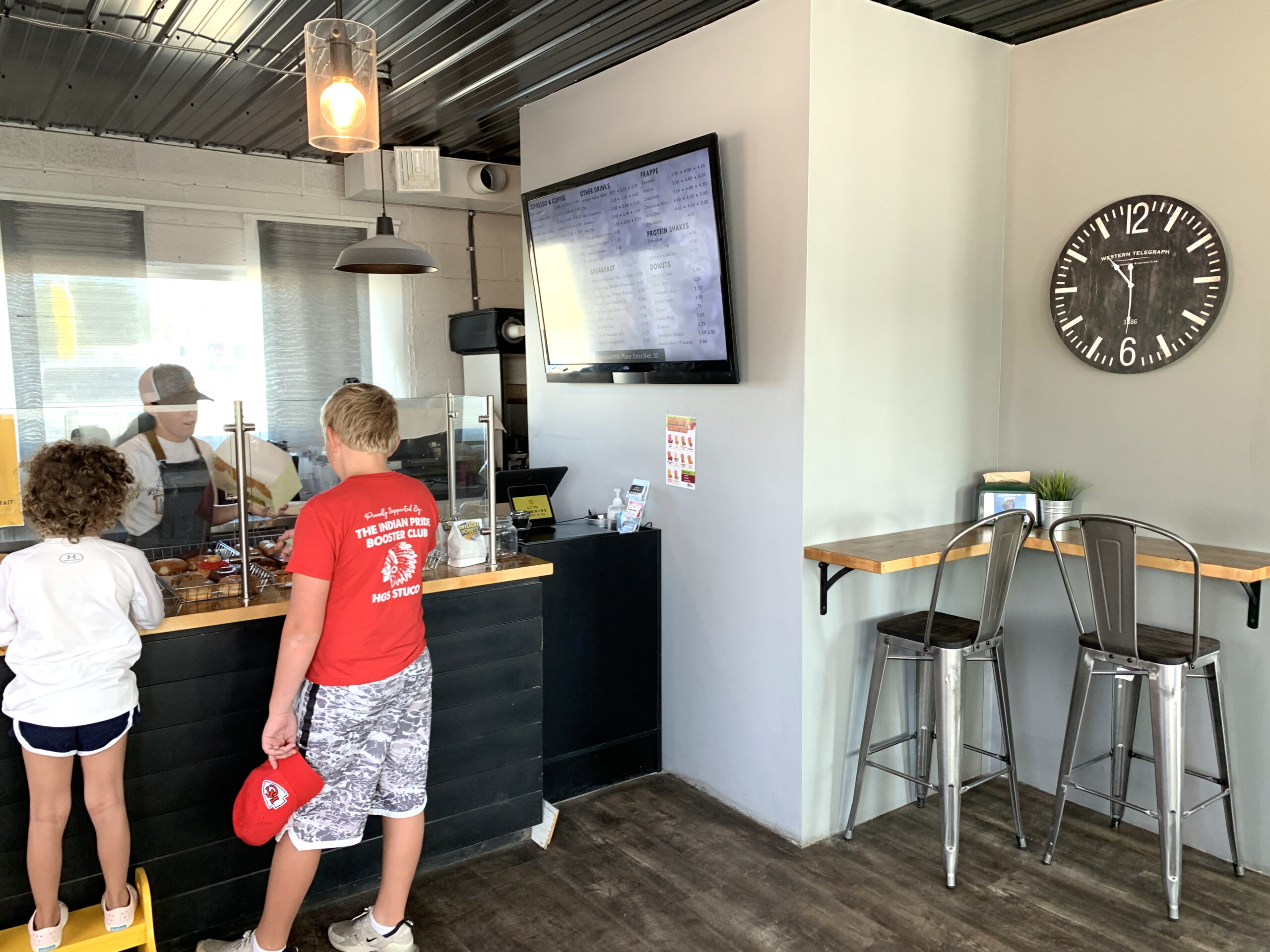
I pulled the car over at Sunshine Bakery (3502 US-40), a delightful donut shop of modest size. I made it with only minutes to spare before they closed. The employee was super nice and told me to take my time choosing my breakfast treats. Sometimes when you make it to “last call” at a donut shop, you’re left with only a few donuts. That is not the case at Sunshine Bakery. Trays of crullers, fritters, and cream-filled donuts stared back at me. I went for a glazed donut and a fresh-baked vanilla cake donut. The corner bakery is the place to stop for breakfast in Oakley. The drive-thru stays busy all morning, so I recommend parking and heading inside.
ATTRACTIONS
BUFFALO BILL CULTURAL CENTER
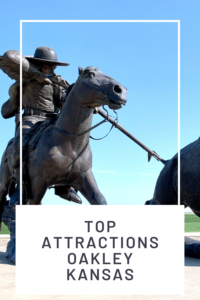
Since my room at the Kansas Country Inn (3538 US 40) wouldn’t be ready for several hours, I went to the Buffalo Bill Cultural Center (3083 US 83) on the edge of town to view the twice-life-sized bronze sculpture of William F. Cody. It was voted one of the 8 Wonders of Kansas Art. You can’t miss the sculpture as you turn into the parking lot.
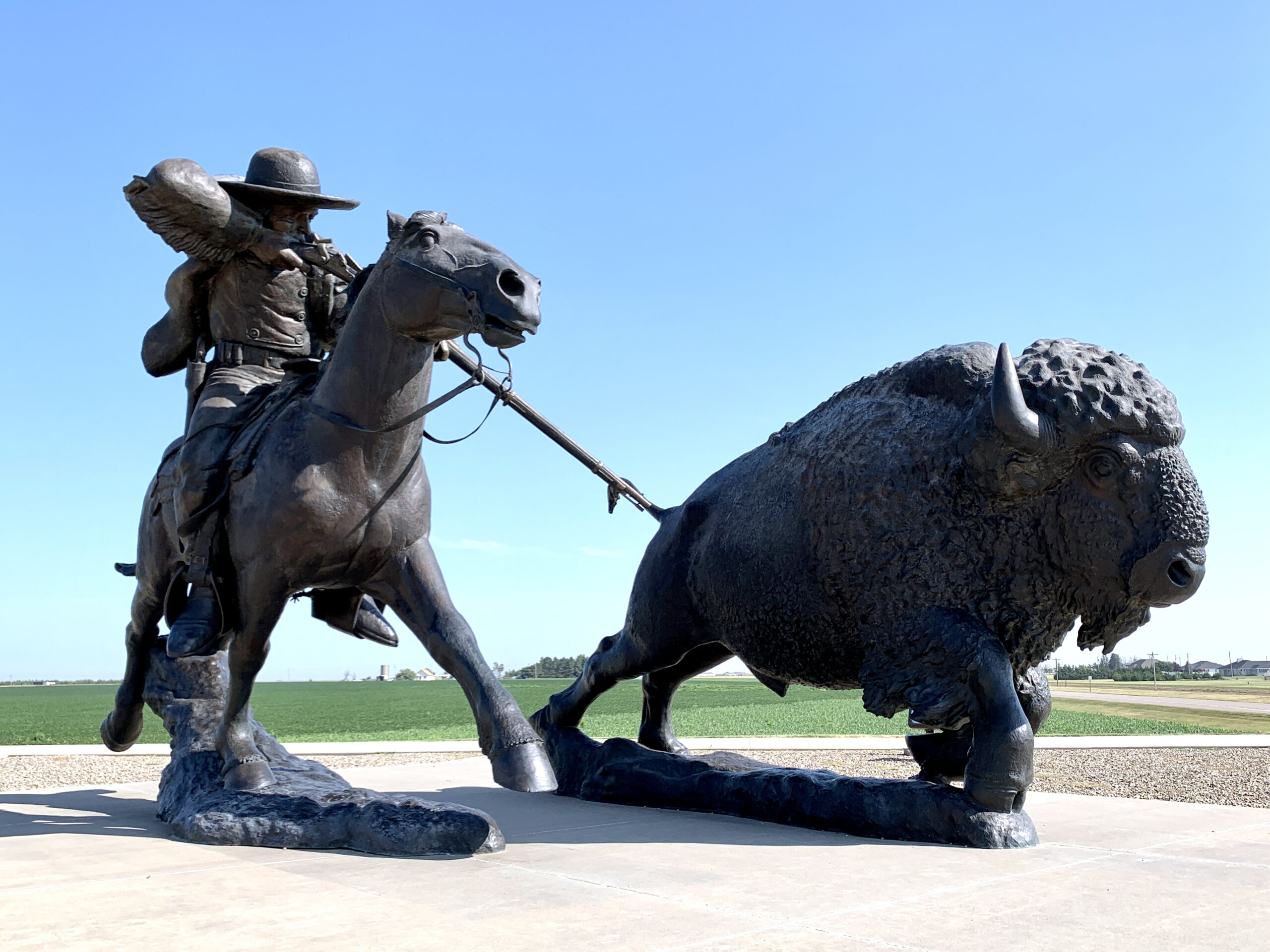
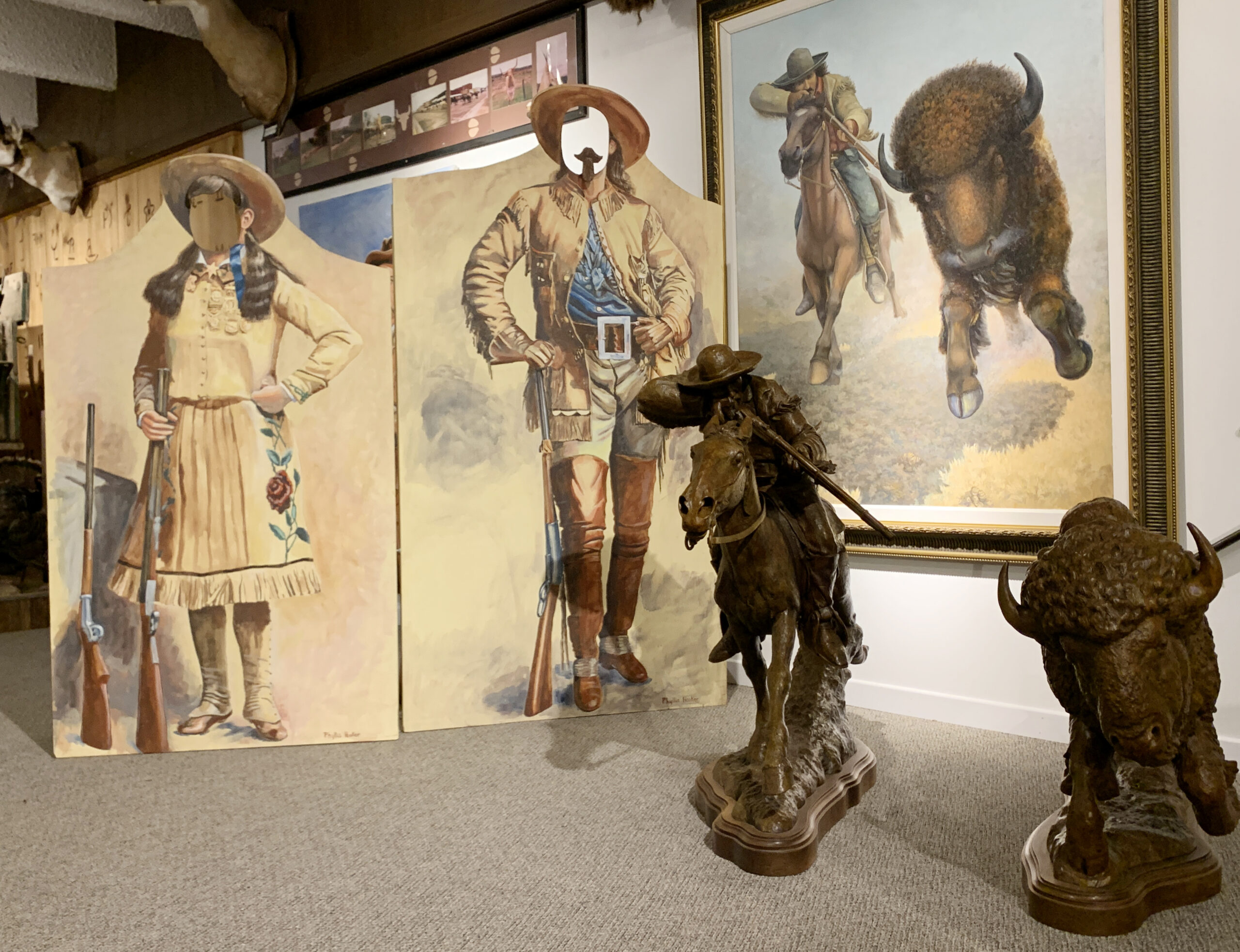
Cody, aka “Buffalo Bill,” grew up on the Kansas plains and made his living as a contract buffalo hunter. The meat was provided to nearby Fort Wallace to feed soldiers. Cody also worked for the army as a civilian scout. When he heard another buffalo hunter, Medicine Bill Comstock, was a competitor, he suggested they stage a contest to see which hunter could harvest the most buffalo in a day. Cody was triumphant that spring day in 1868, earning him the nickname “Buffalo Bill Cody.”
The sculpture of him on a hunt is worth checking out. The information center at its base tells the story of Cody and his legacy.
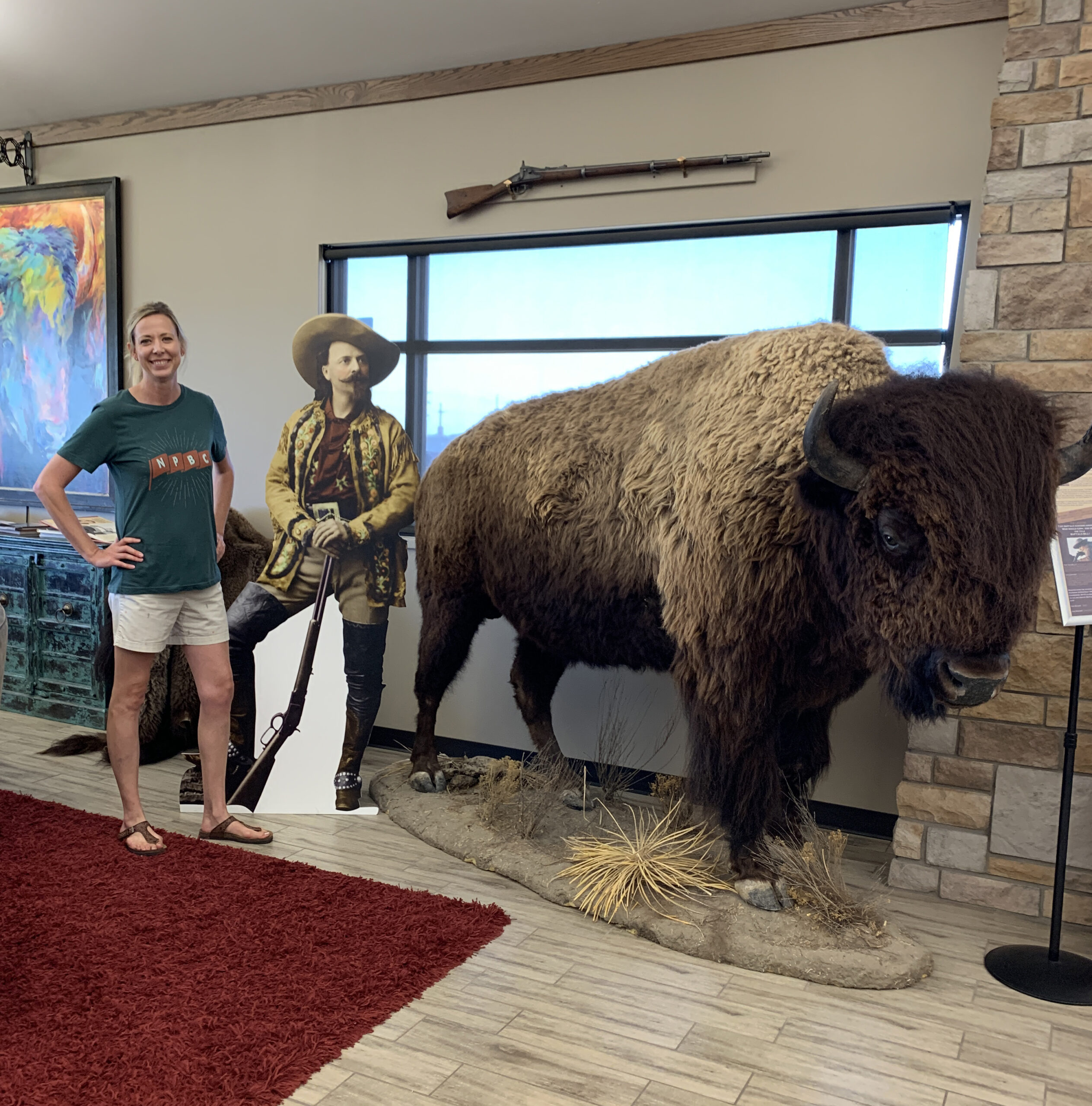 Inside the Buffalo Bill Culture Center, you’ll find permanent and on-loan displays that provide details of the area’s history. I watched a fascinating short movie, “Hidden History – The Ghost Town of Sheridan Kanas 1868,” about a lawless town made up of mostly saloons not far from Oakley. The Kansas Pacific Railroad’s tracks ended there. The video told of men hung from railroad trestles and a mass grave created to bury the dead. The town existed for 15 short months. You can view an oil painting, “End of the Track,” by local artist Chuck Bonner on the wall of the center.
I also appreciated the illustrated panel on the wall that featured the people and places that make this area of Kansas unique.
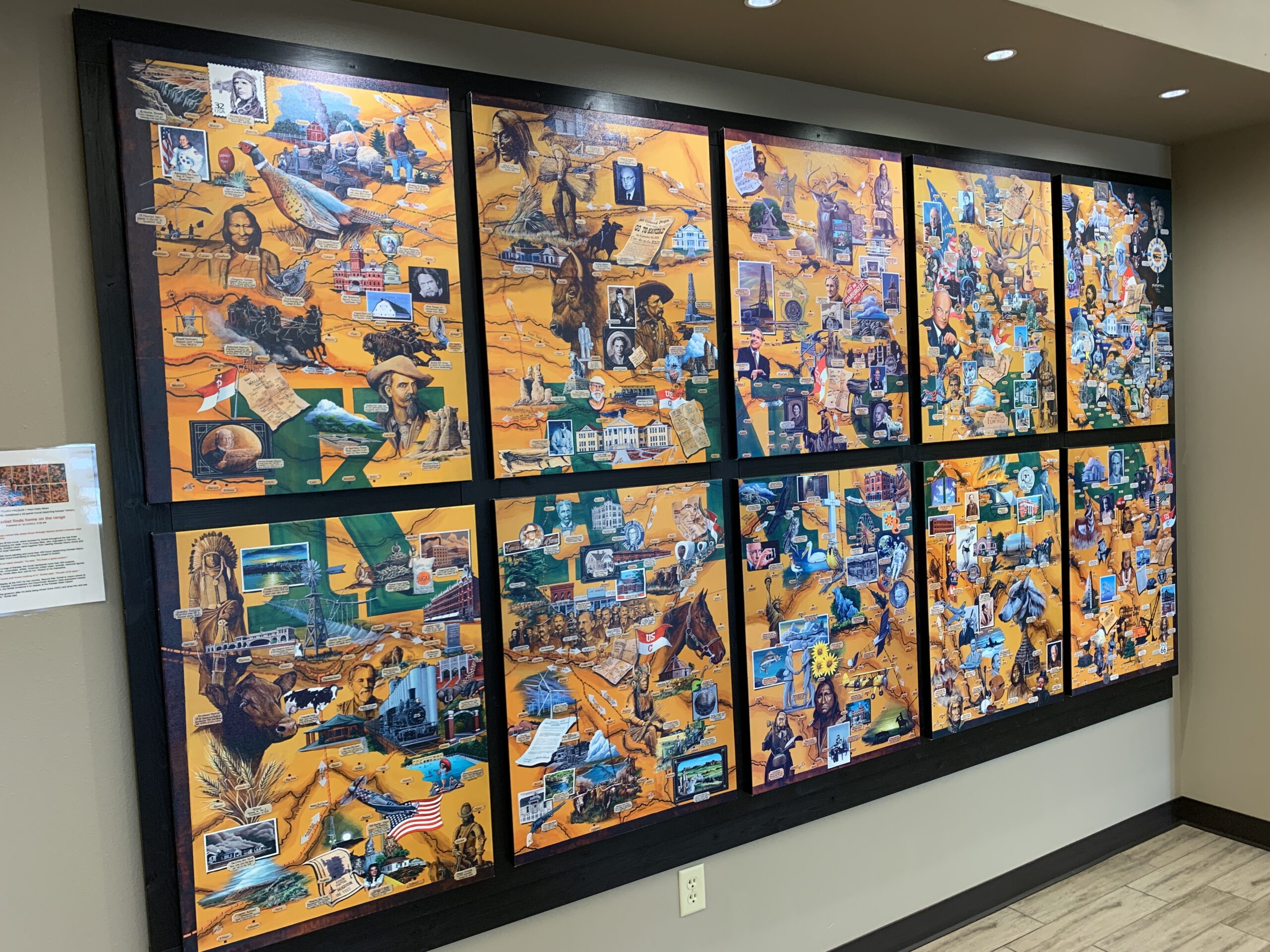 The center also serves as the town’s travel information center, so it’s best to stop there before exploring Oakley. I discovered extensive travel brochures, maps, and a gift shop. The staff was eager to answer my questions and offered me freshly brewed coffee. If you need to research area attractions, knowledgeable employees will help you, or you can use the free WiFi to search the internet. A pet-friendly building, and travelers with dogs appreciate the indoor and outdoor accommodations.
The Buffalo Bill Cultural Center often updates its exhibitions and hosts events like the annual Oakley Corn Festival. Check their Facebook page for the center’s hours and event details.
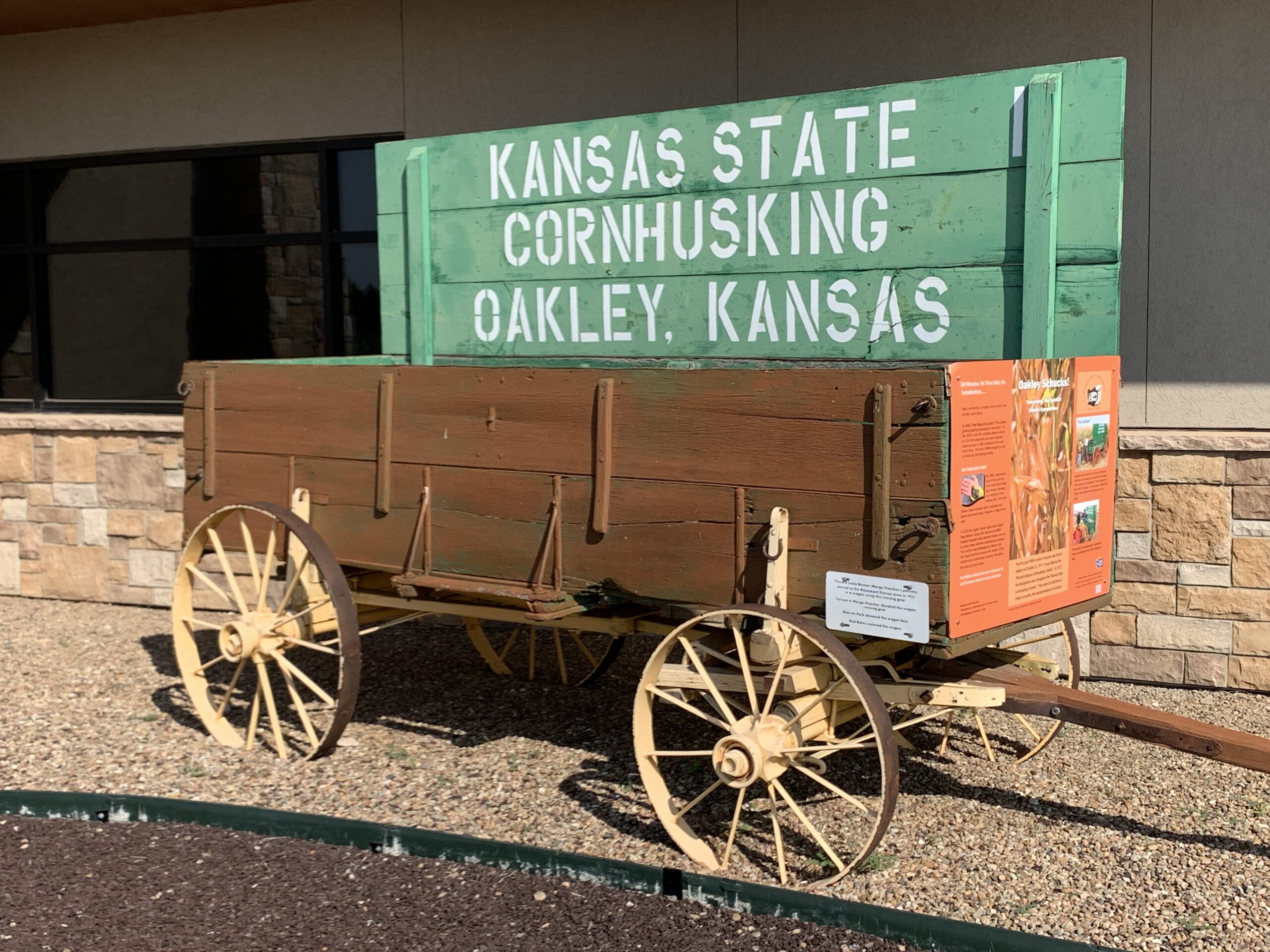
FICK FOSSIL & HISTORY MUSEUM
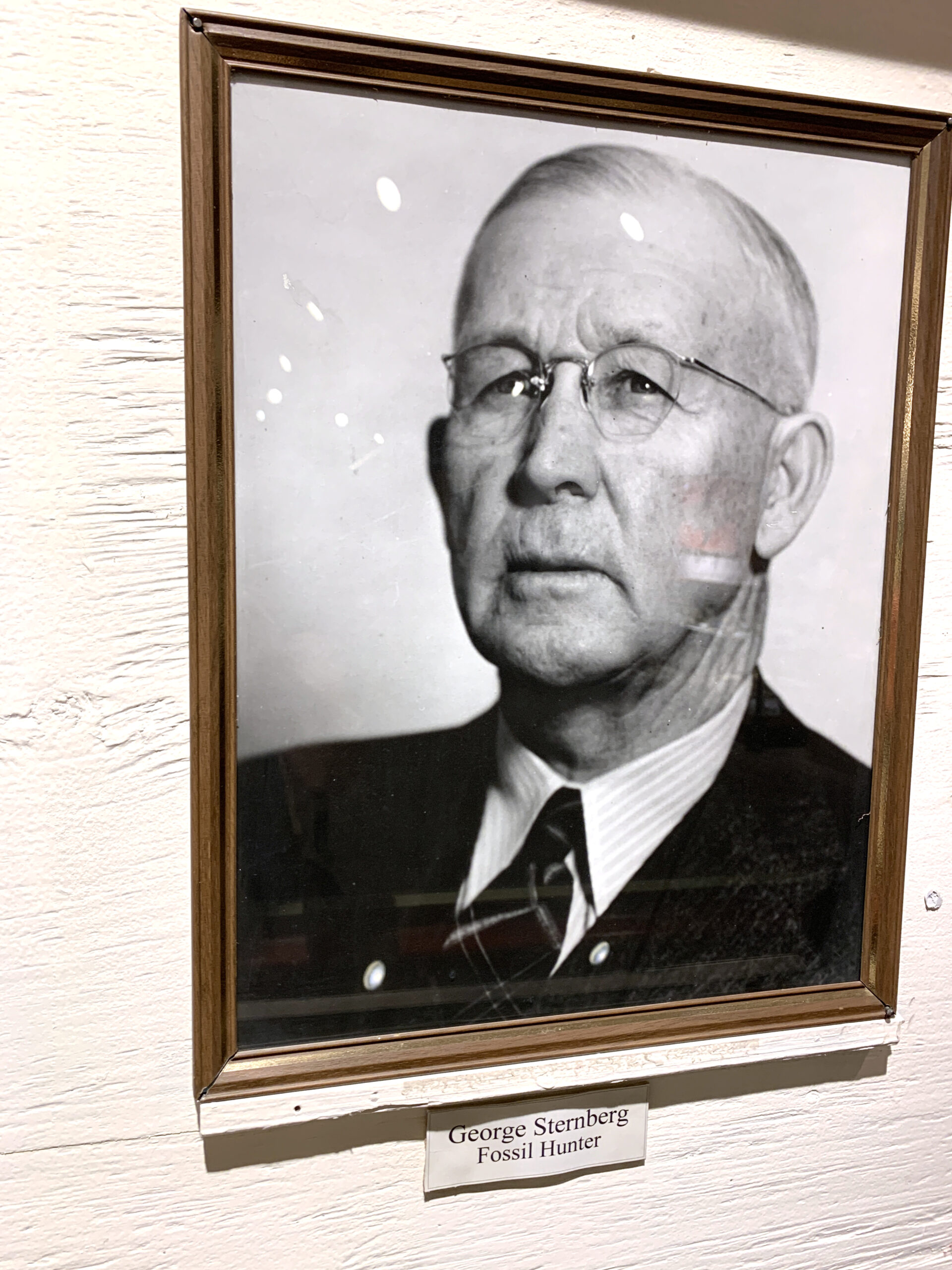
People drive from miles around and across state lines to visit the Fick Fossil & History Museum (3083 US Hwy 83) in Oakley. I was impressed with the quality and quantity of fossils on display. Vi Fick was an artist who created artwork with marine fossils, bones, shells, and sharks’ teeth. Her intricate, 3-D artwork decorates the museum’s walls.
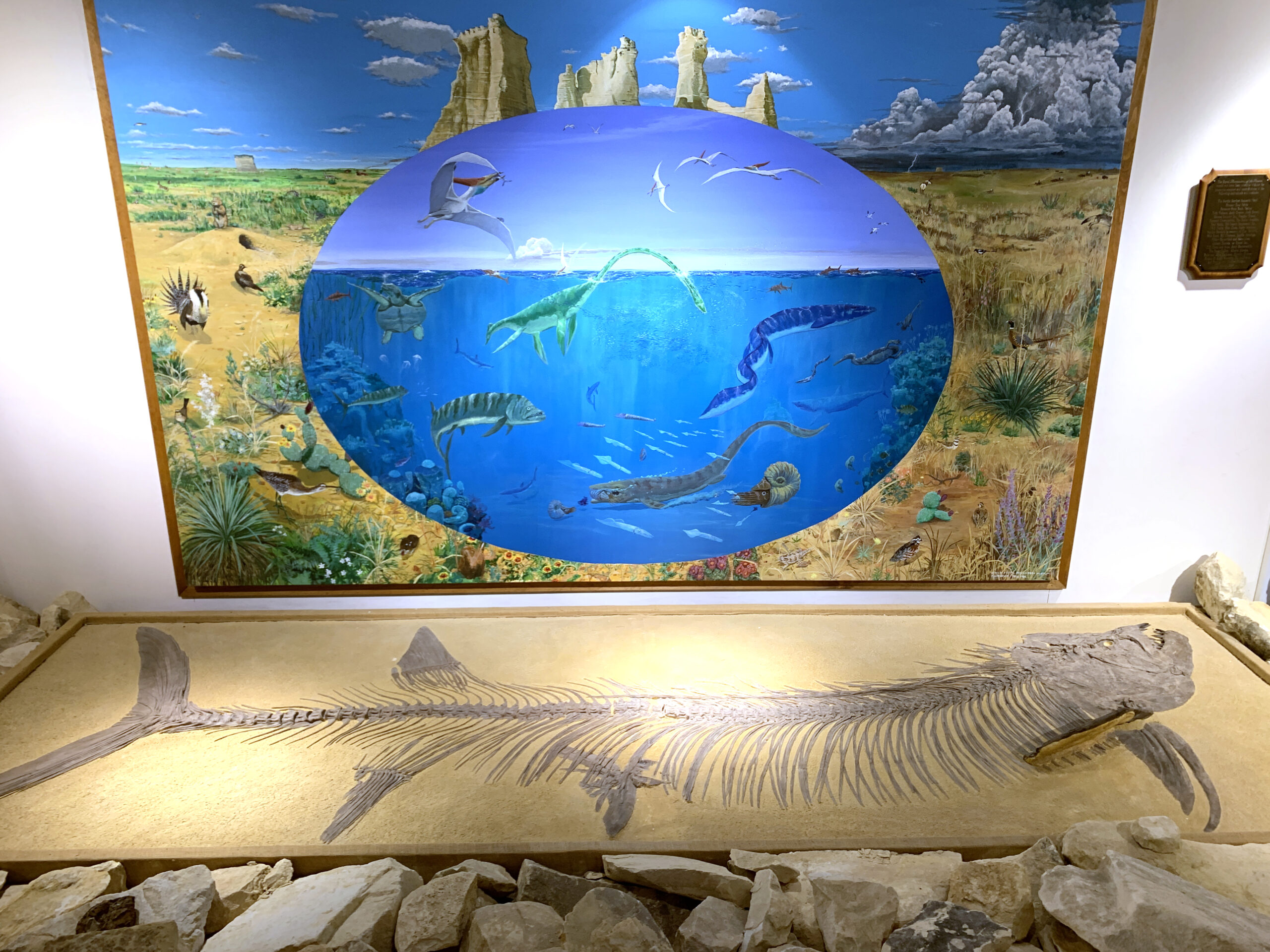
 George Sternberg’s rare fossil, a 15′ Xiphactinus Audax, is the world’s oldest known mosasaur, and it sits on display for museum visitors to enjoy. The room that houses it also showcases a mosasaur skull. For fossil hunters and fans, this room promises to get their hearts racing. Since the museum sits on the Western Vistas Historic Byway, the area is a well-visited destination for geologists and paleontologists keen on discovering fossils. The museum houses a large collection of rocks and minerals as well.
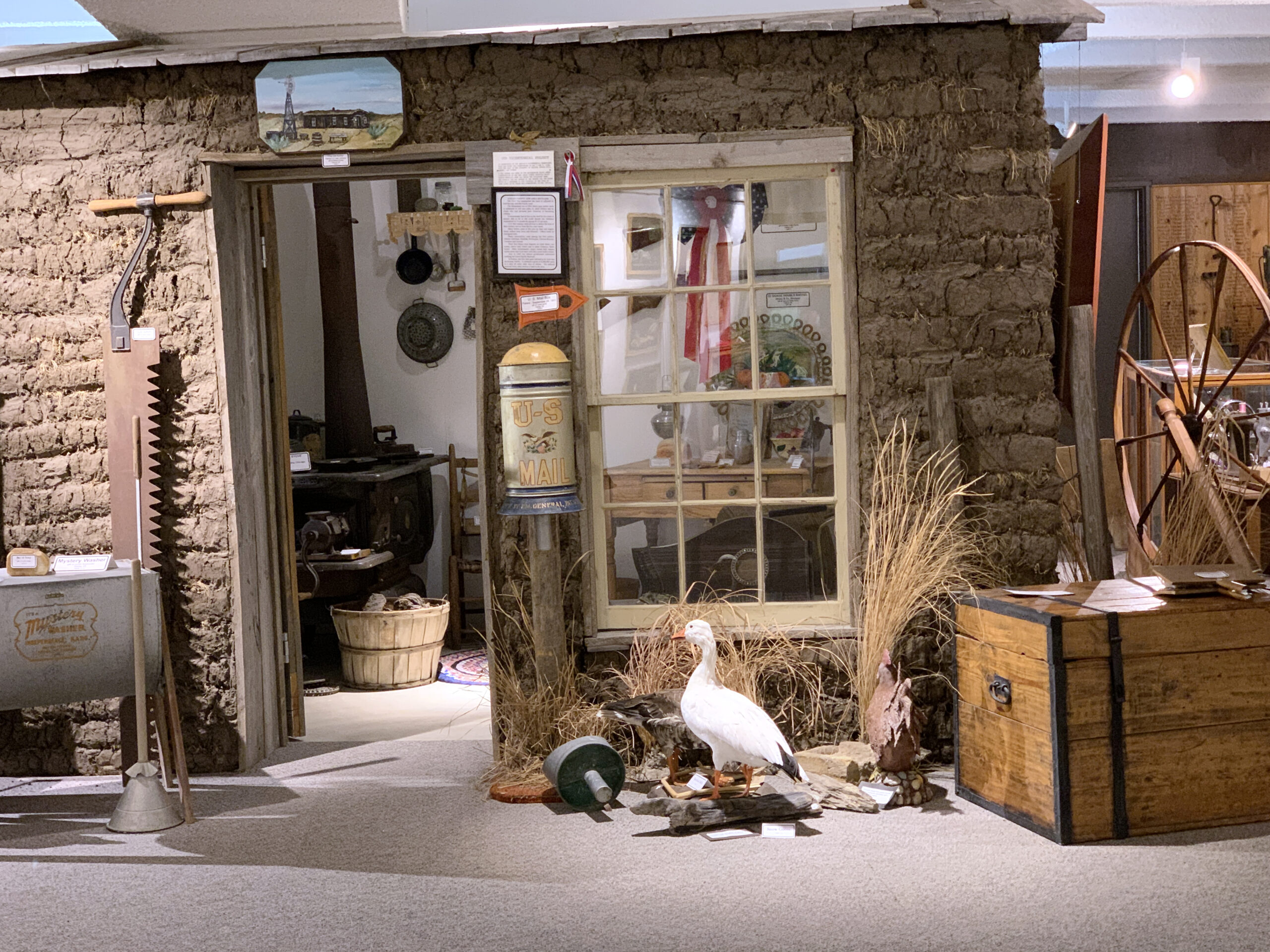
 Other museum rooms tell the story of the life of the prairie. You can walk into a replica of a sod house, view the interior of a general store, and listen to audio stories about the railroad. What do you think it would have been like to live before modern technology? The museum showcases the impact of modern communication on society, dating back to the telegraph to the telephone.

In a separate room, I found a piece of art, “Advertising Pencil and Pen Collection,” by one-time Oakley resident Donald Hall. He collected free pencils and pens throughout his lifetime and created the artwork pictured in the photo below. As a writer, I appreciated how Hall used an everyday object to create a masterpiece.
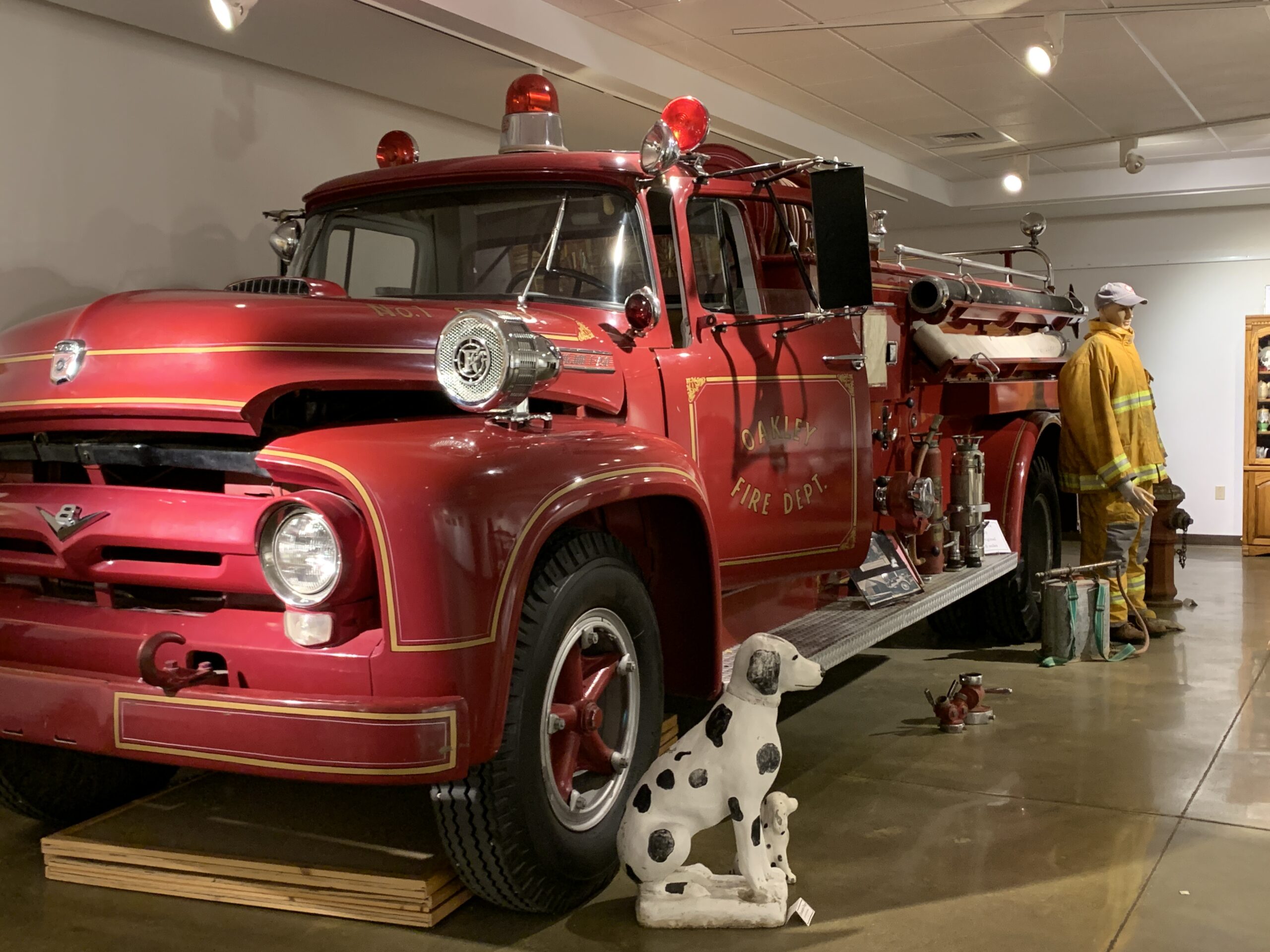
Don’t leave the museum without climbing inside a 1958 Ford V8 F750 fire truck once used by the Oakley Fire Department. The truck was taken out of use with 8,216 miles on it. The museum has a lot to see, and I’d recommend devoting at least an hour during your visit. You can tour the museum for free (donations accepted) six days a week, but check museum hours before driving there.
MONUMENT ROCKS
I was ready to see the geological formations called Monument Rocks. I drove 20 miles south on US-83 and meandered a few desolate country roads. A large snake crawled across the road in front of my car. Then, I drove over what looked like a black scorpion. (Note: Locals tell me it may have been a tarantula since the area is on the migration path.)
It was unlike any part of Kansas I had ever seen. Some fields lacked fences. Cattle stood watch as I passed. The earth was rocky, and the dirt was light in color. I stared at the remnants of an ancient ocean that once covered the region.
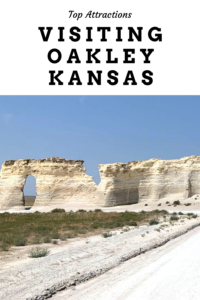
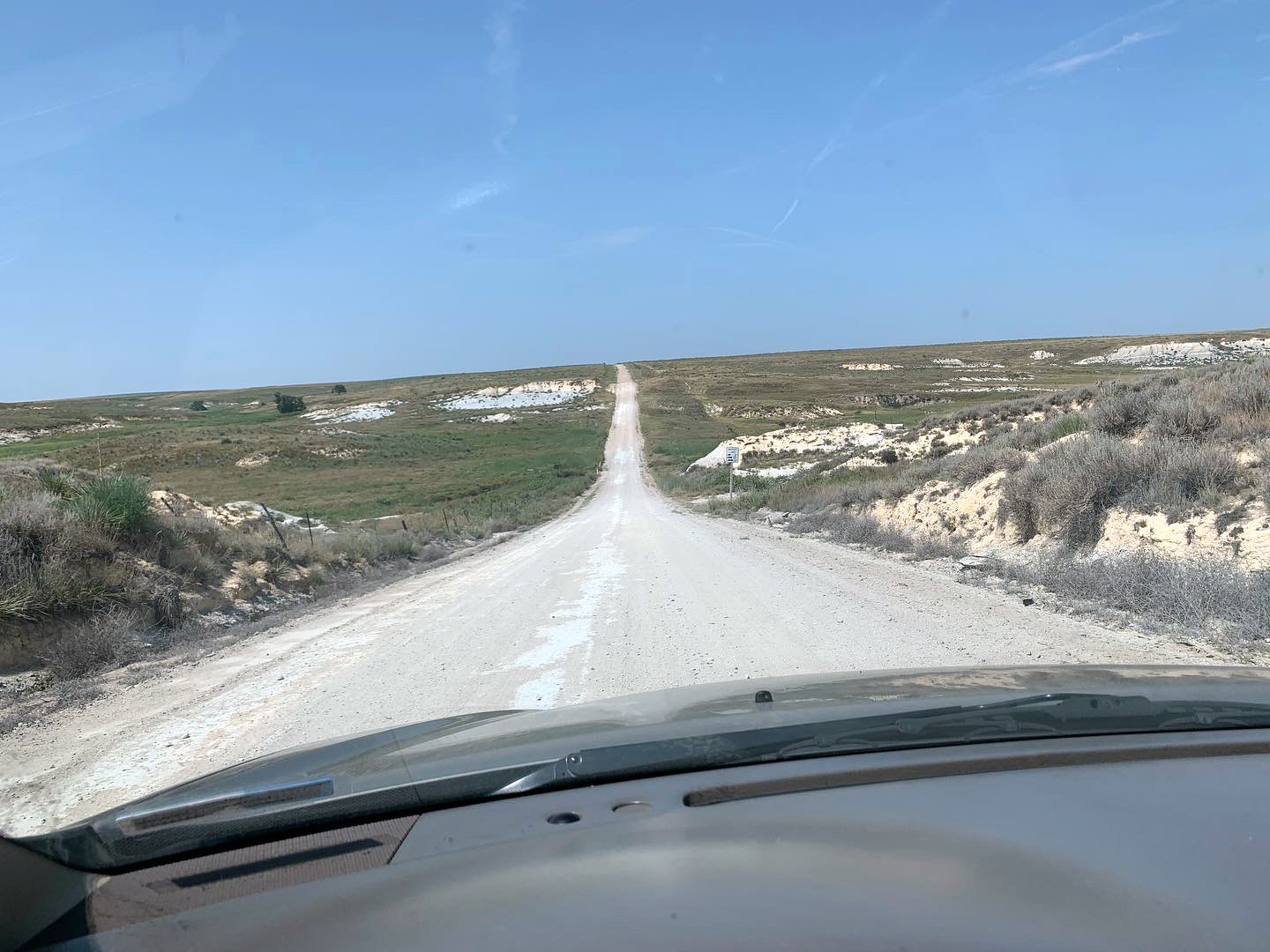 I scanned the land. I didn’t see tall rocks protruding from the land. Where were they? Then, out of nowhere, I spotted them. Monuments Rocks or “The Chalk Pyramids” stood as an outcropping just off the road, and I had the entire place to myself.
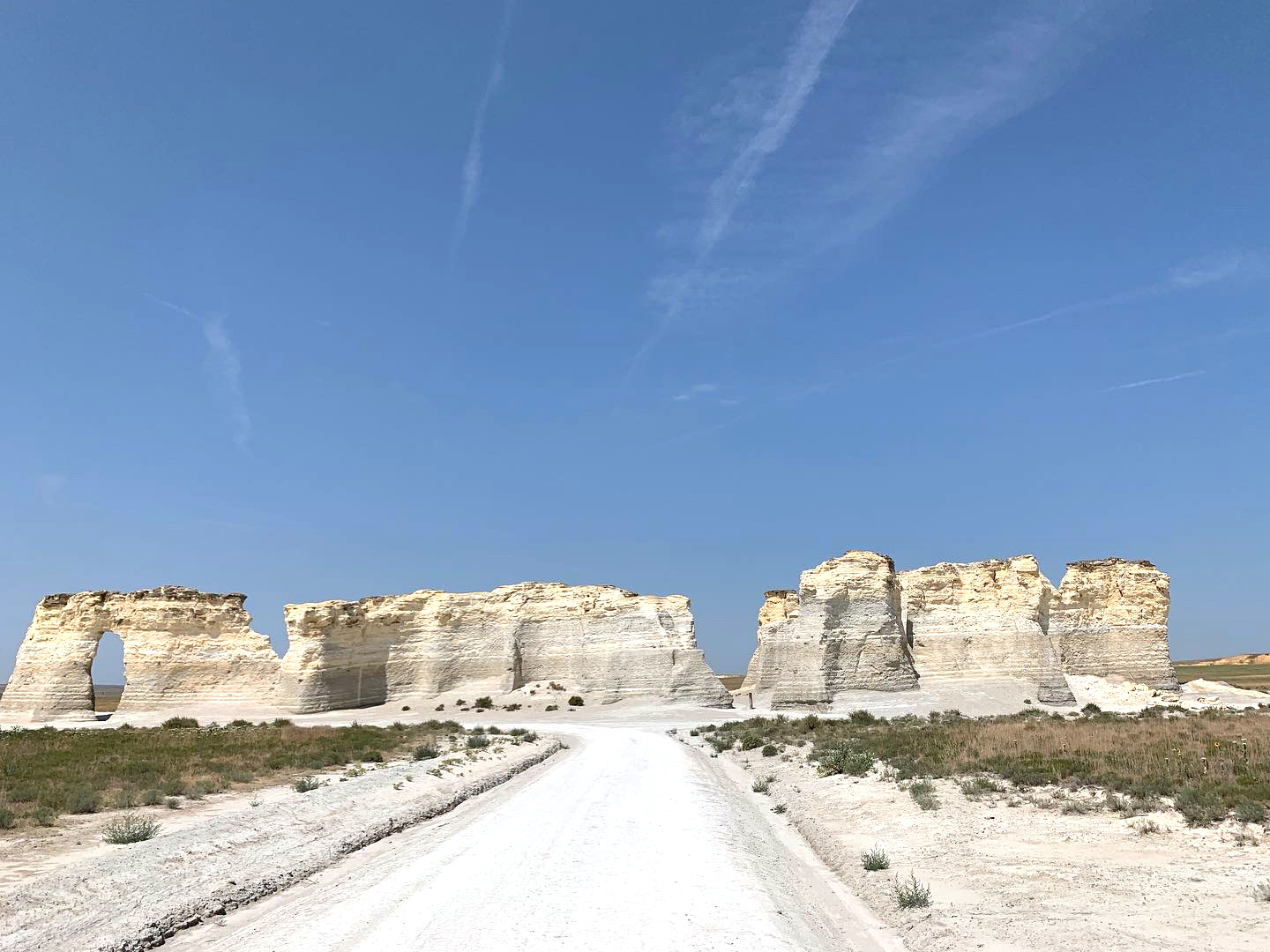 Located on private land, Monument Rocks is open to the public during daylight hours. The sedimentary formations are Niobrara Chalk, formed during the Cretaceous period on the Western Interior Seaway 80 million years ago. The lines in the rock indicate how the limestone evolved over the years. Listed as one of the 8 Wonders of Kansas, it nearly takes your breath away. It’s easy to see why it was listed as the first National Natural Landmark in Kansas.
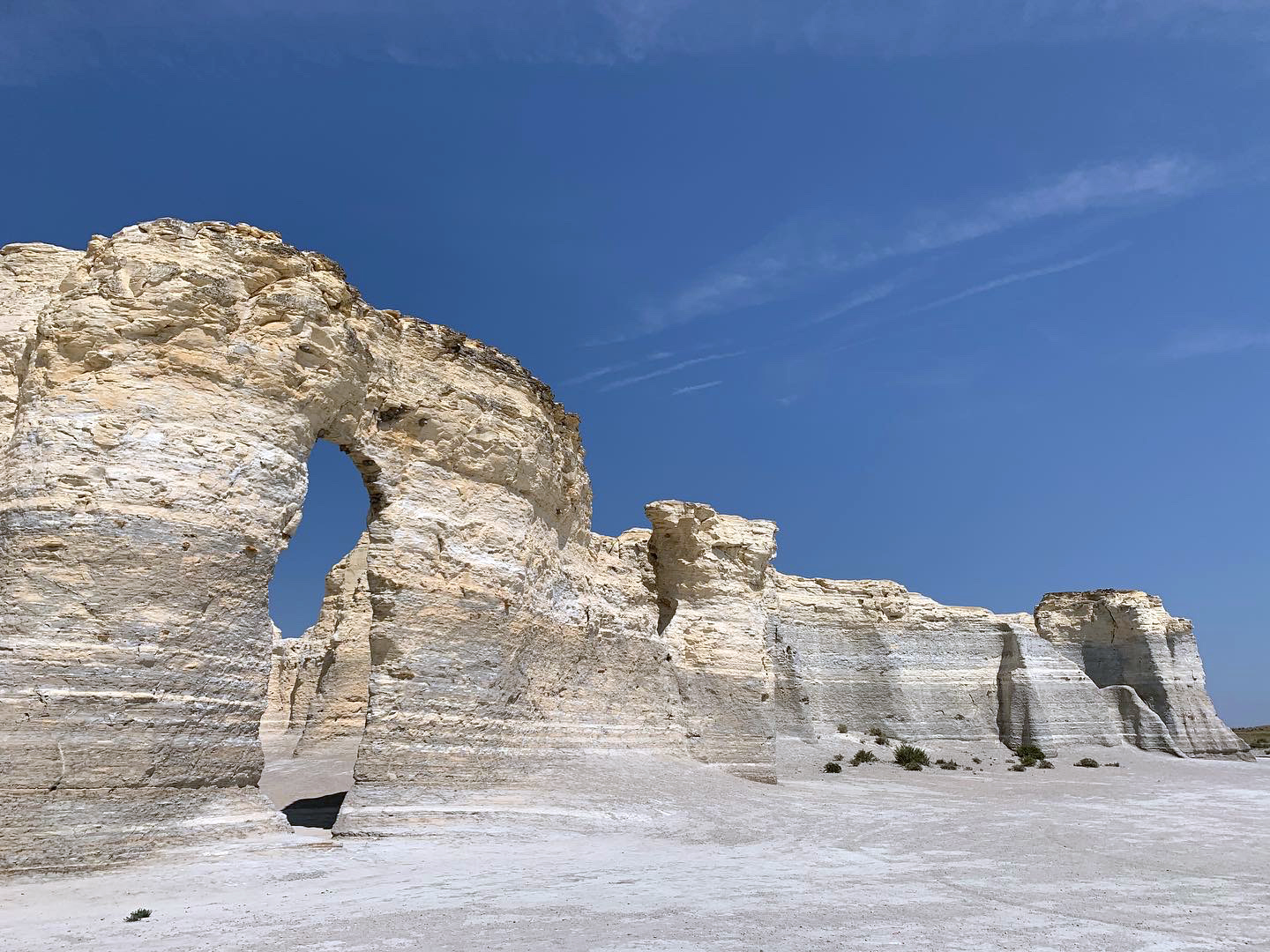 I circled the formations with my car and then parked. My path was bright white, and the sun bounced off the rock, illuminating the area. It’s hard to describe the size and scale of the formations. They are enormous. It is reported that every inch of rock represents 700 years of history.
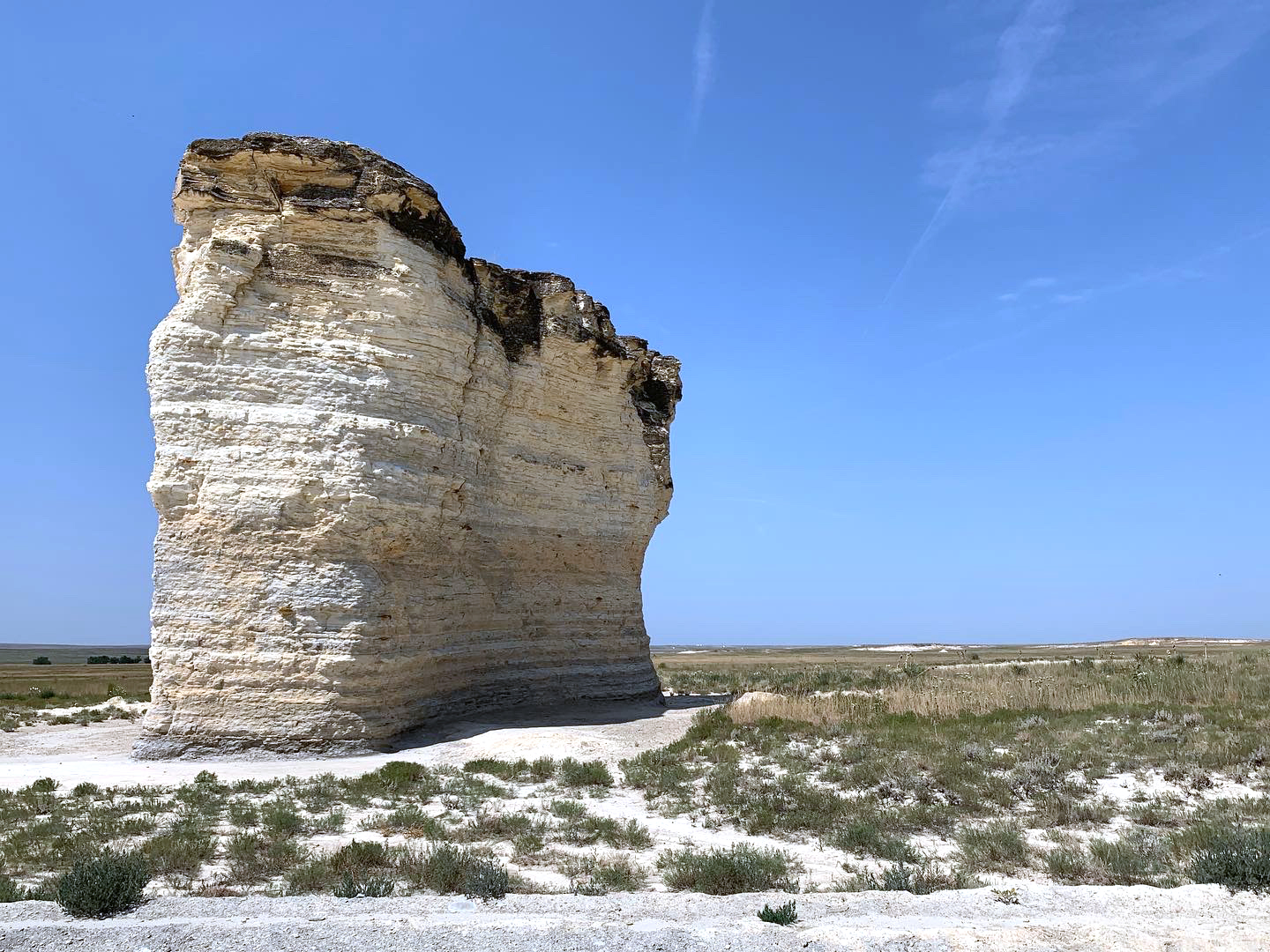
I spotted another smaller one just beyond the largest formation (pictured above). The sculptured monolith (pictured below) was striking in its beauty. In the past, the rocks were used by The Butterfield Overland Dispatch as landmarks to guide travelers in the area who traveled the Smoky Hill Trail.
 If you’re interested in visiting the outcroppings for yourself, I recommend traveling on a cool weather day or during the morning hours. Avoid making the drive if rain is in the forecast. It’s advisable to pack water and wear closed-toed shoes. To get there, drive 20 miles south of Oakley on U.S. 83, then 4 miles east on Jayhawk Road, 3 miles south, and 1 mile east (dry weather road only).
KEYSTONE GALLERY
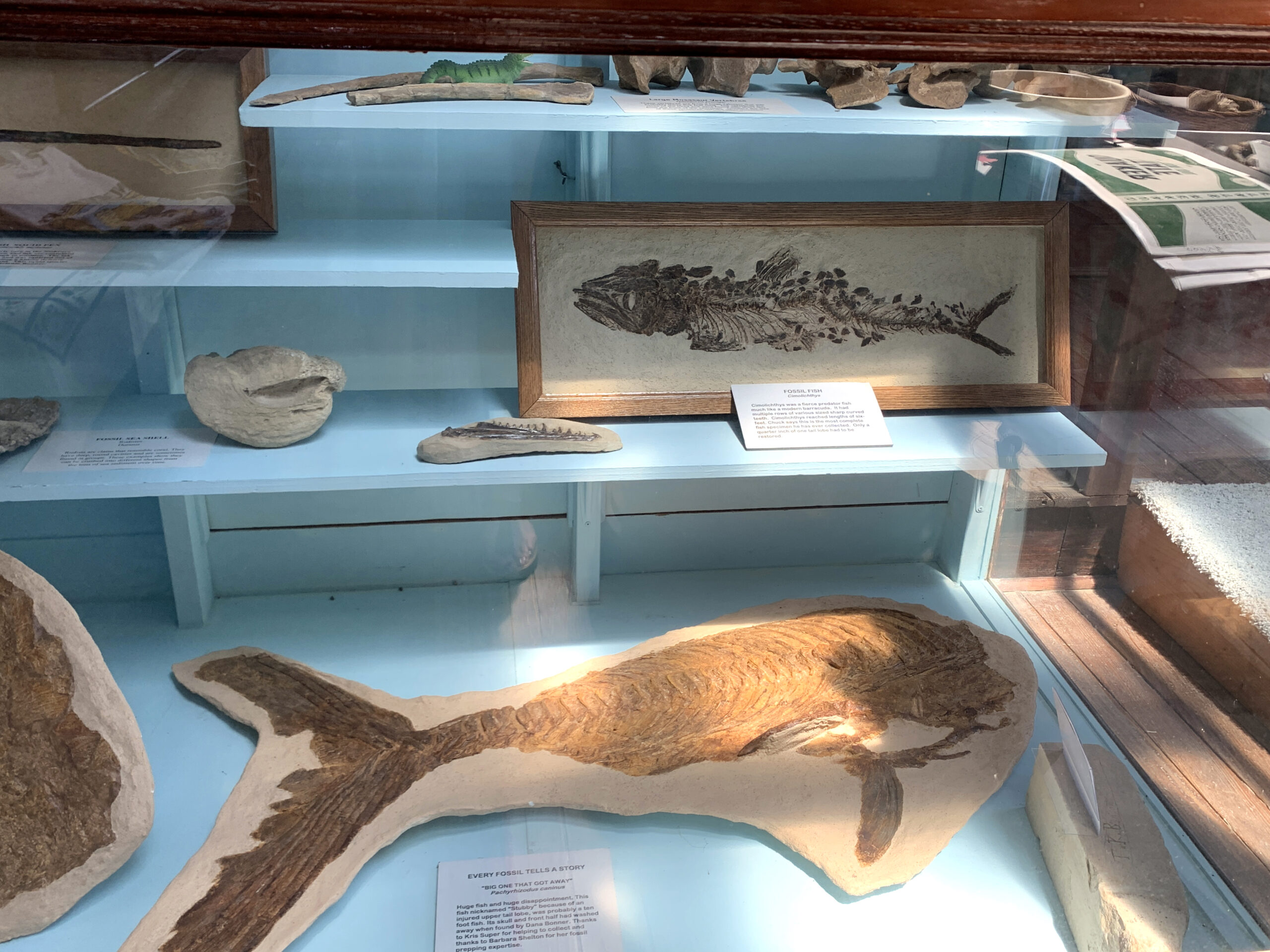
I drove to Keystone Gallery (401 US Hwy 83) to meet with the owners, fossil hunters who were waiting for my arrival. Housed in a once-abandoned church from 1916, Chuck and Barbara gave me a museum and gallery tour. Soon, I was immersed in stories told about fossil hunts. Once Barbara found her first fossil, she said she was hooked. Together, the couple has spent years excavating fossils. Many of their finds are on display in the museum, while others are on exhibit in other galleries around the nation. Their collection includes swimming reptiles, sharks, birds, and other invertebrates.
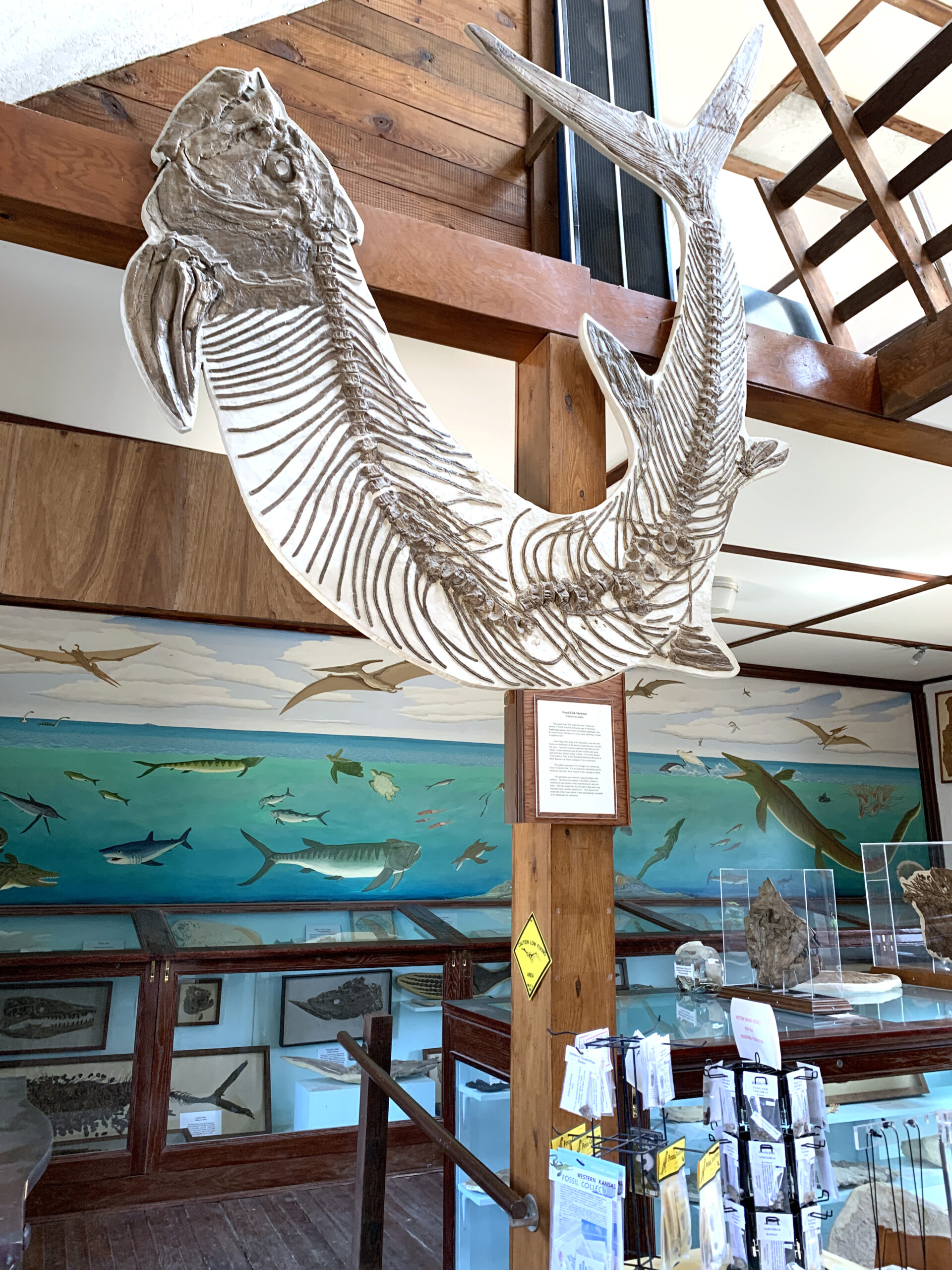 The Keystone Gallery overlooks the Smoky Hill River valley with a view of Monument Rocks in the “Badlands of Kansas.” I encourage you to look inside the glass cases at the museum and ask questions. Each fossil comes with a story about its discovery, journey to the museum, and the process of preparing it for display.
The space also serves as a gallery of Chuck’s paintings and a retail shop. Some visitors come to Keystone Gallery to learn more about the fossils found in Kansas. Others stop by to buy rock and mineral specimens as gifts.
 Before I left Keystone Gallery, I had one question for Chuck and Barbara. What was the story of the old car sitting near the entrance? I was told that Chuck used the 1948 Chevy Suburban for fossil hunting. Now, it sits as an artistic showpiece on the property. Oh, the stories this car could tell! Look closely at the photos below to enjoy the characters representing creatures of the deep.
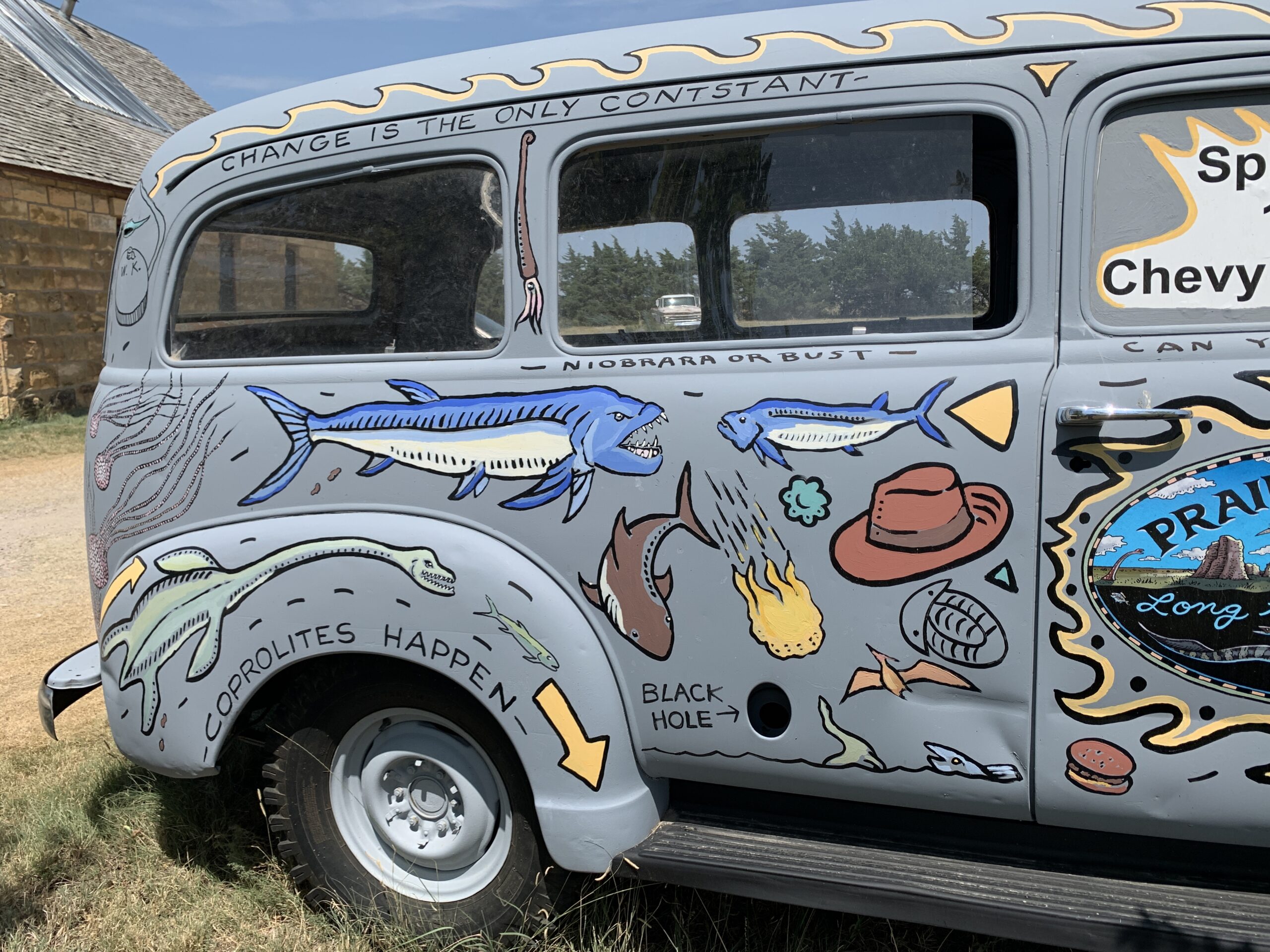
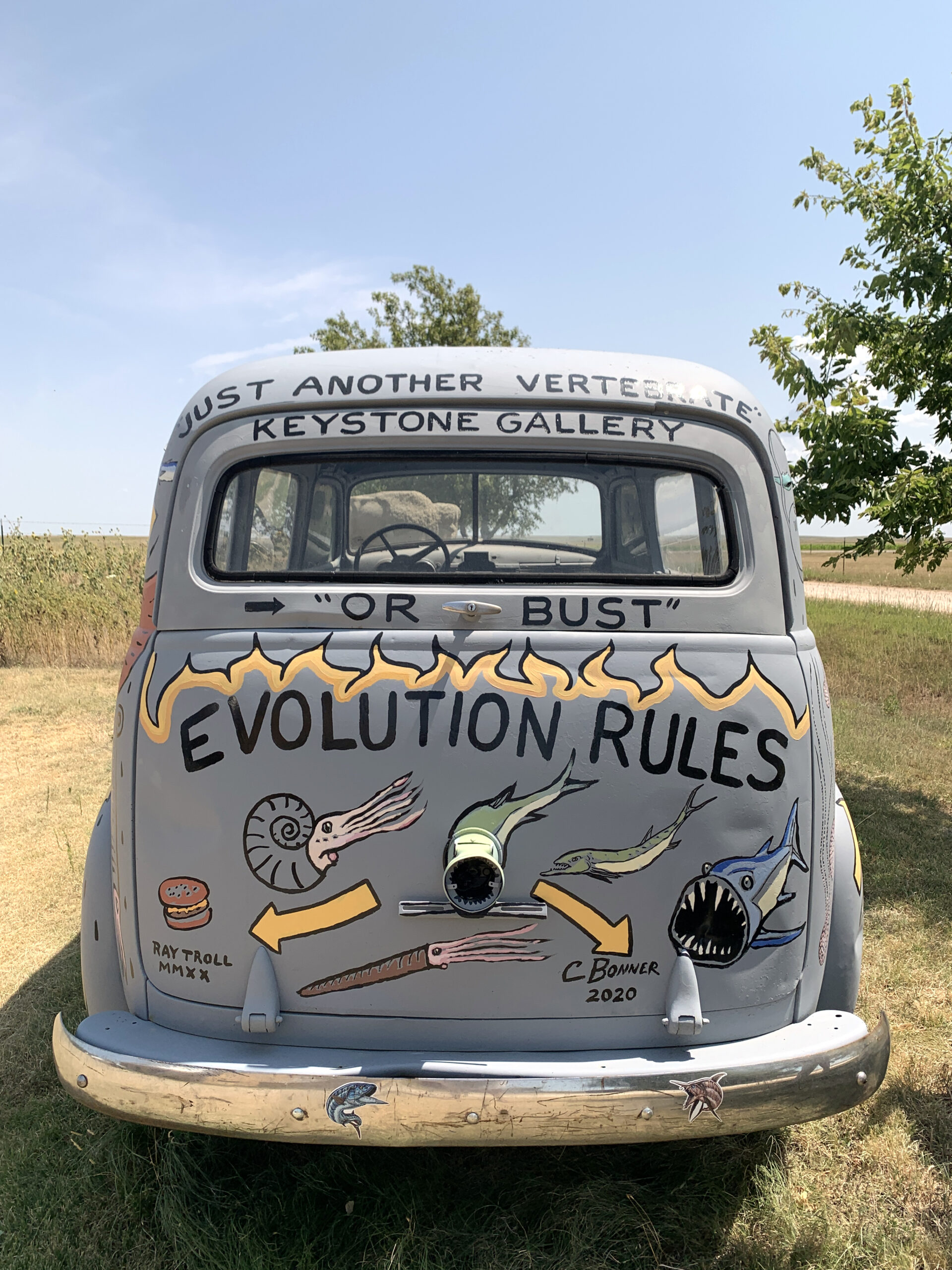 I’ll never forget meeting Chuck and Barbara. They taught me so much about the region, but more importantly, how to enjoy what you do for a living. To visit Keystone Gallery, drive on U.S. 83, 26 miles south of Oakley or 18 miles north of Scott City. Thirty years later, the couple continues to share their love of fossils with others. View the gallery’s hours here.
BUFFALO BILL’S BAR AND GRILL
It was hot, and I was tired. I needed a break from traveling in 100+ degree temperatures. I decided to forego a trip to Little Jerusalem Badlands for another day. I headed into downtown Oakley for something to eat at Buffalo Bill’s Bar and Grill (207 Center Ave.).
I struck up a conversation with a bartender (originally from Spain!) who told me the kitchen was closed until the dinner hour. Instead, I enjoyed a cold Corona and read the signs on the wall. One read, “Alcohol because no great story beings with eating a salad.” Perhaps, I would return for a burger later.
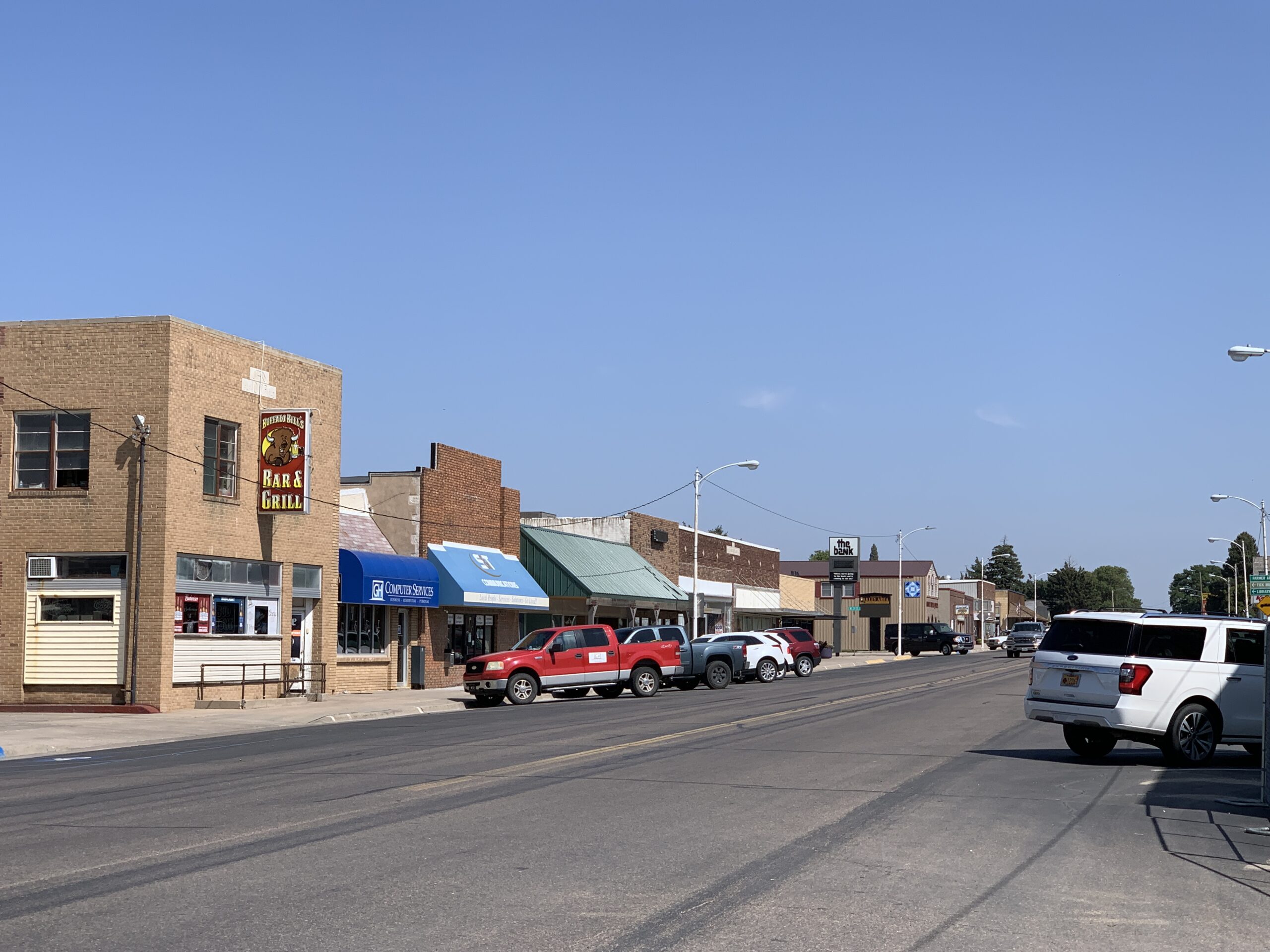
DOWNTOWN SHOPPING
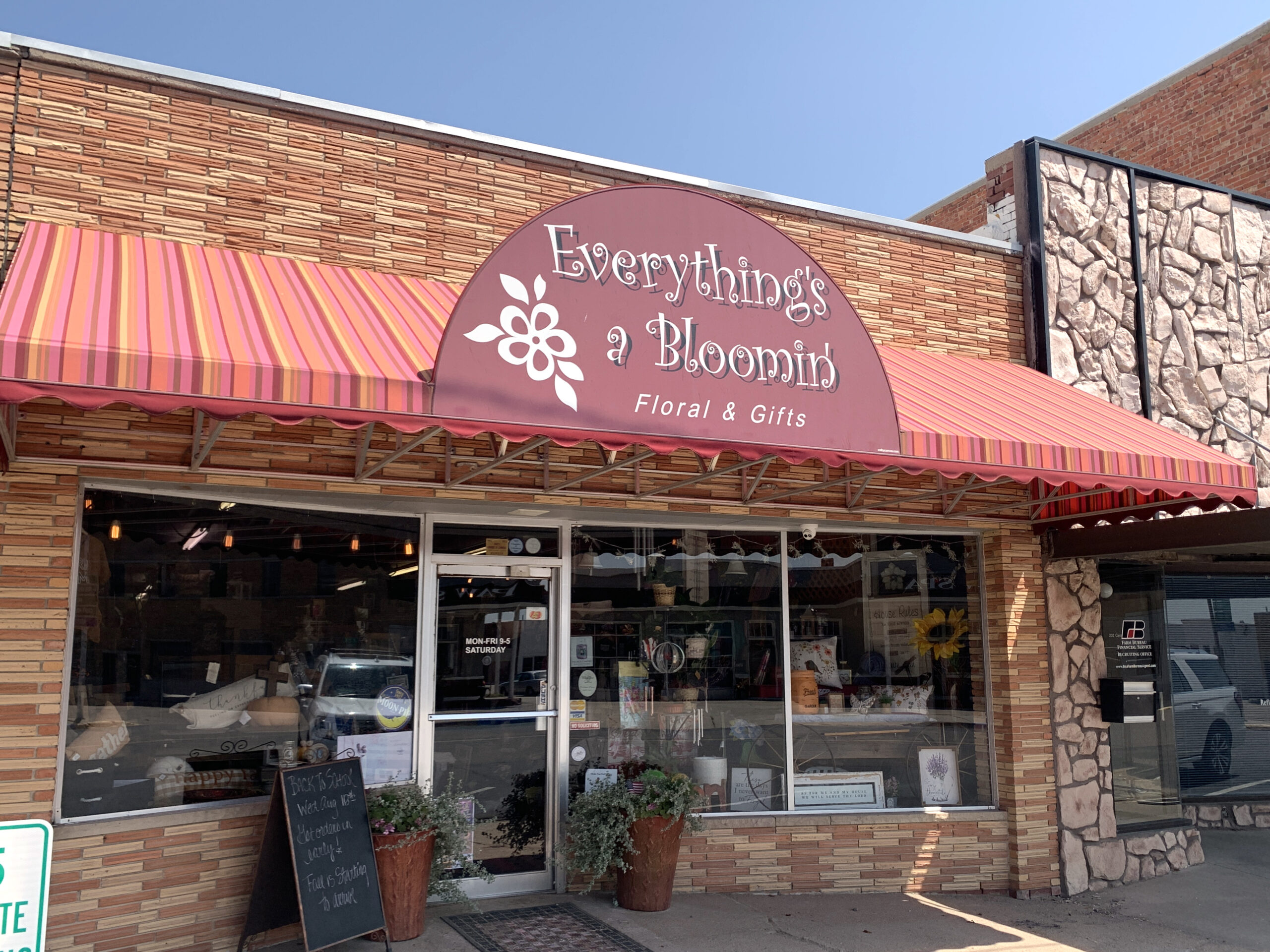
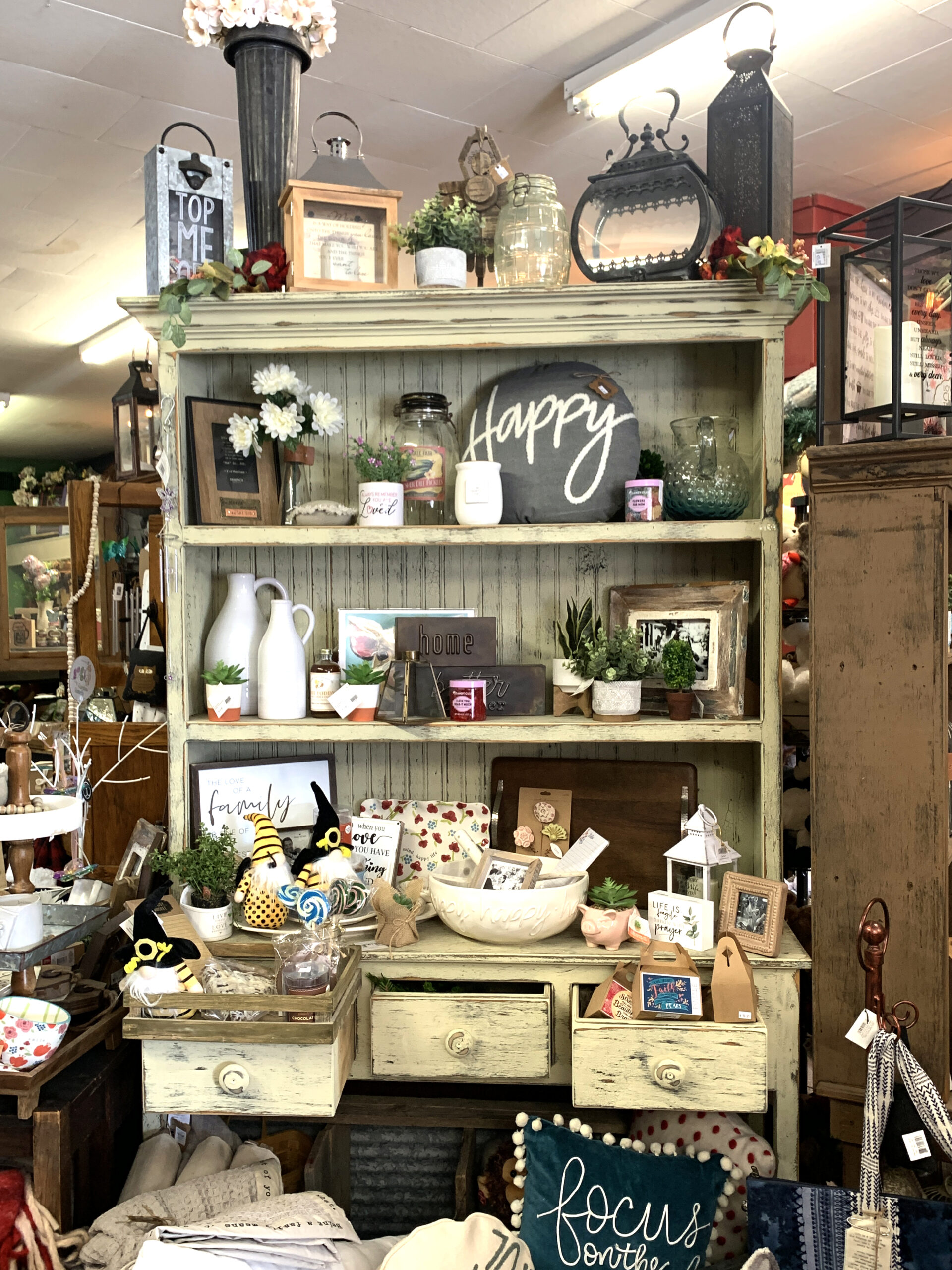
I strolled across the street and entered a boutique shop, Everything’s-a-Bloomin’ (204 Center Ave, Main Street). It was stocked from floor to ceiling with home decor, apparel, and Kansas-made foodie gifts. The store also doubles as the town’s only flower shop. Since 2004, Dana’s shop has been the go-to place for visitors to enjoy an unhurried shopping experience. If you can’t find it there, it doesn’t exist. You’ll love this gem of a store in downtown Oakley.
DINNER
OAKLEY COUNTRY CLUB & GOLF COURSE
I heard that Oakley Country Club & Golf Course (815 W. South 2nd St.) served delicious steak, fried chicken wings, and a full bar. The place lived up to its reputation. I enjoyed a glass of wine during Happy Hour (4 pm-6 pm) and visited with the bartender about small-town life. A members-only 9-hole golf course, the clubhouse saw quite a bit of traffic that evening from locals playing Men’s Night Golf. I met the town’s judge, the bowling alley’s owner, and a few townies who needed a golf cart and a refilled beer cooler.
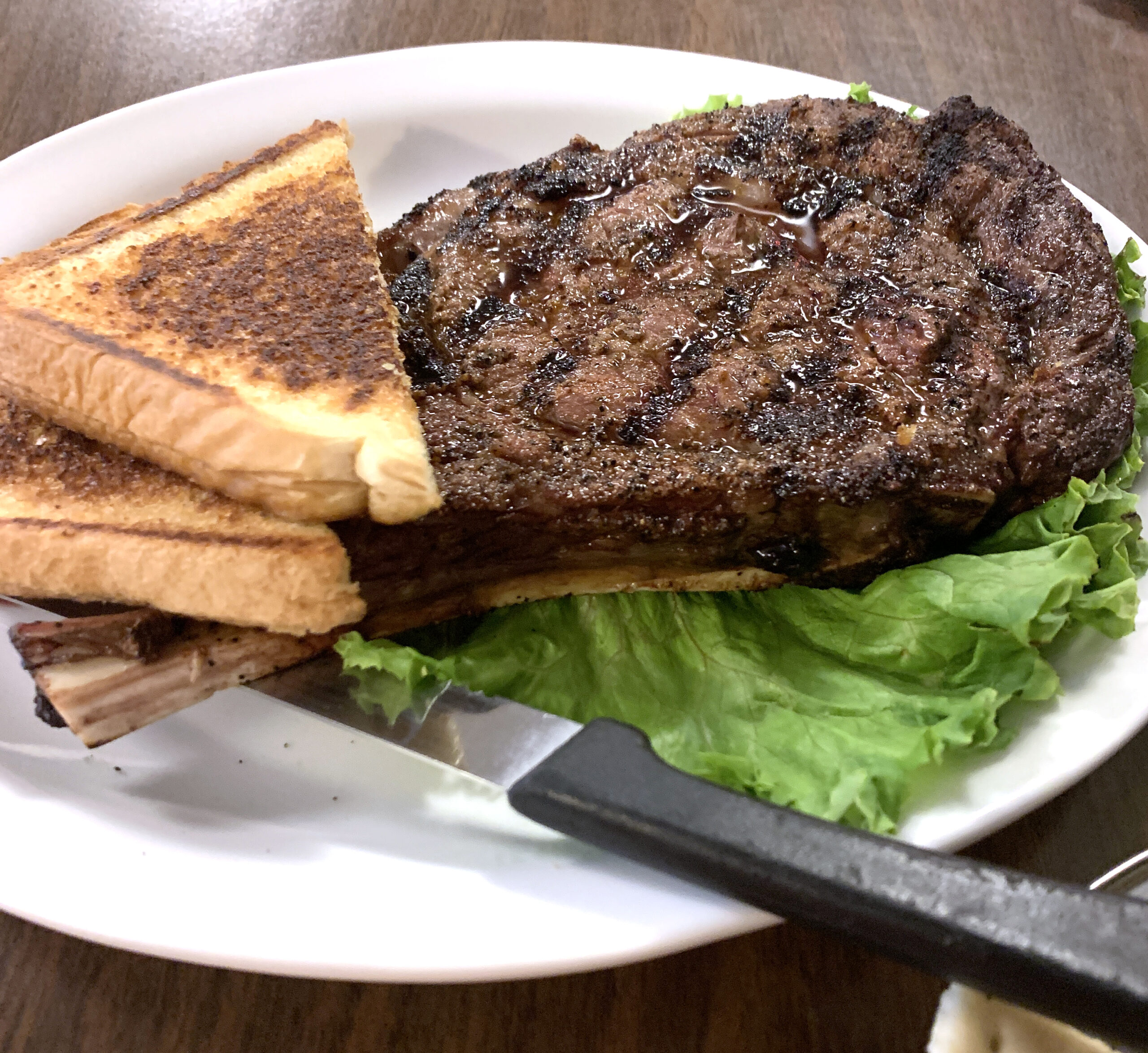
I ordered a 14 oz. ribeye steak and salad for dinner. Perhaps more than I could eat, I needed a comforting, wholesome meal after days on the road. It was cooked to perfection. Joined by new friends, I enjoyed my dinner while getting to know them better. I was welcomed and felt right at home.
 A visit to Oakley offers more than a few tourist stops. (I’ll return to visit Little Jerusalem Badlands State Park and Annie Oakley Park for a game of disc golf.) It’s the kind of town you hate to leave because of the memories you’ve made there. The residents are genuine. If you visit the area for its attractions, stay overnight and get to know the people. You won’t regret it.

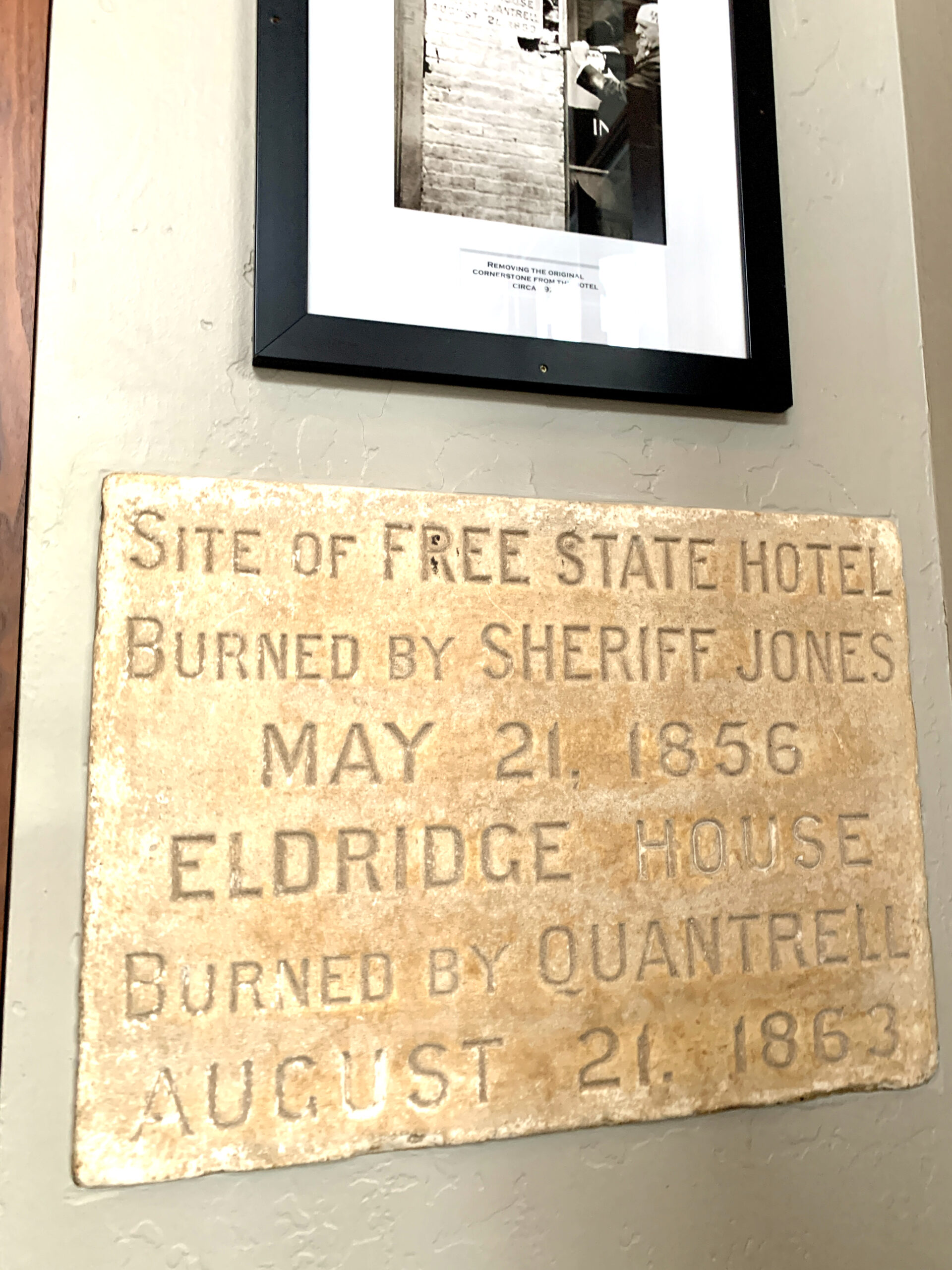
 Originally built in 1855 and called the Free State Hotel, it was one of the tallest most beautiful buildings in town. Unfortunately, its fate was doomed.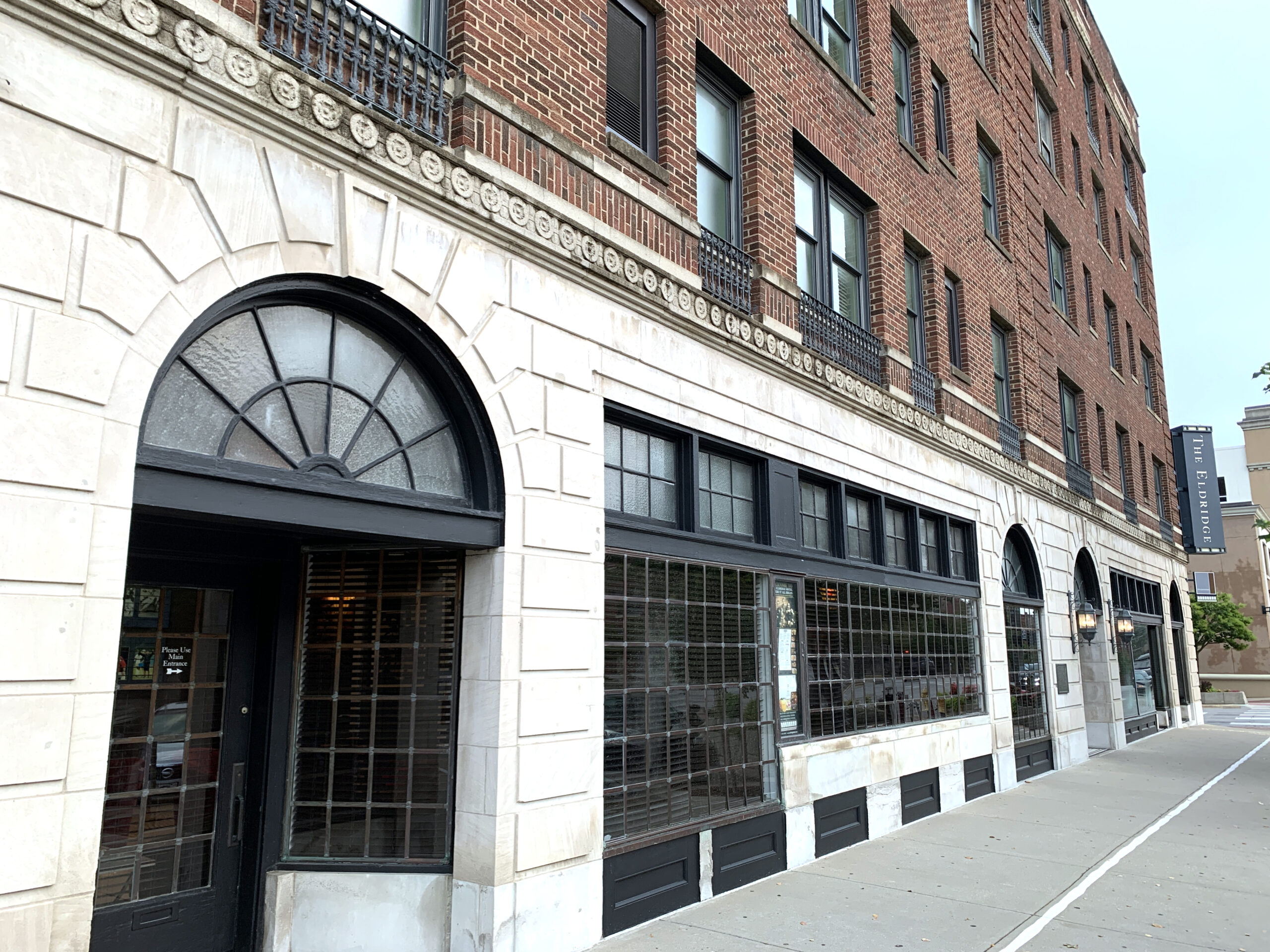
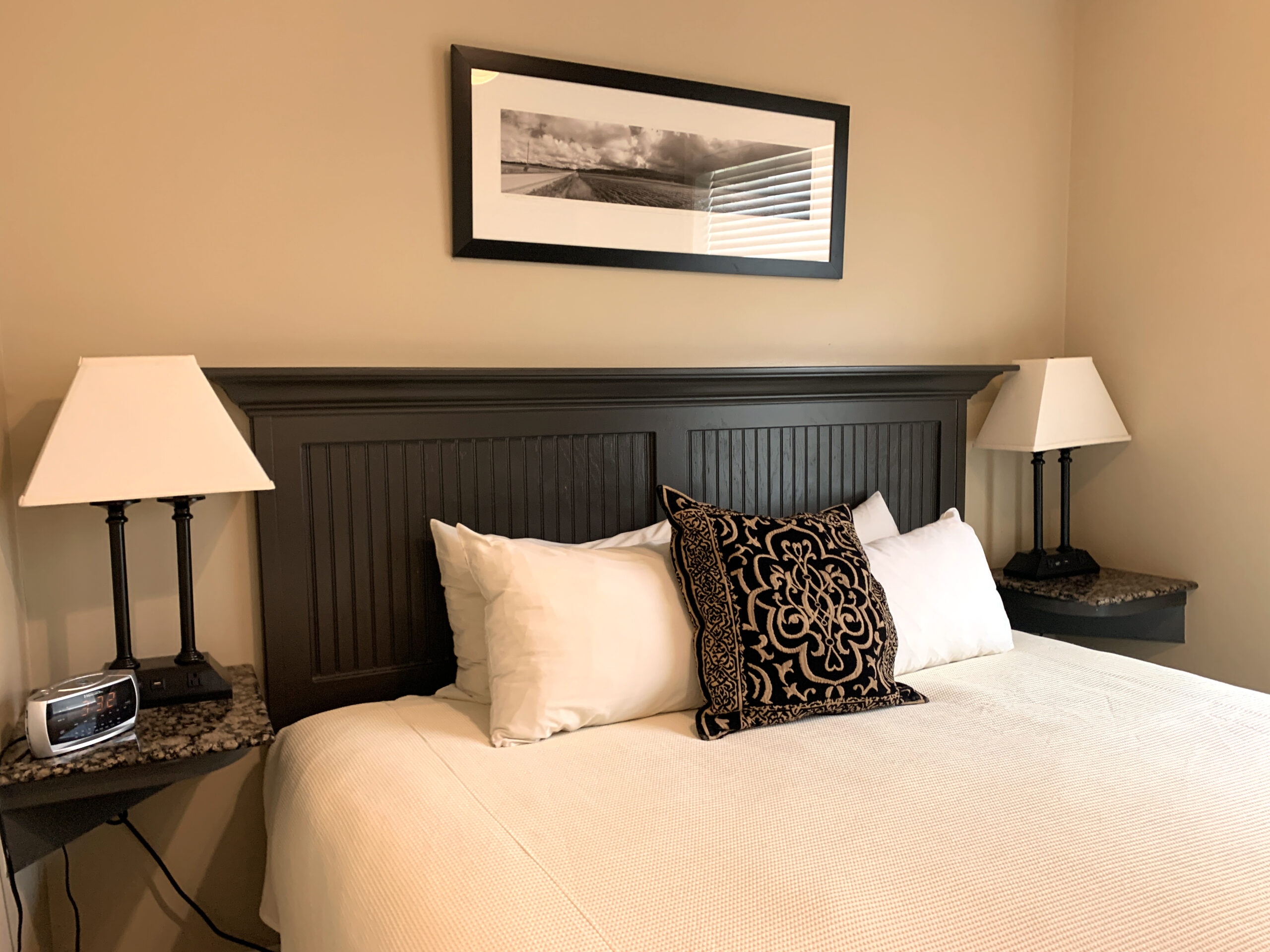
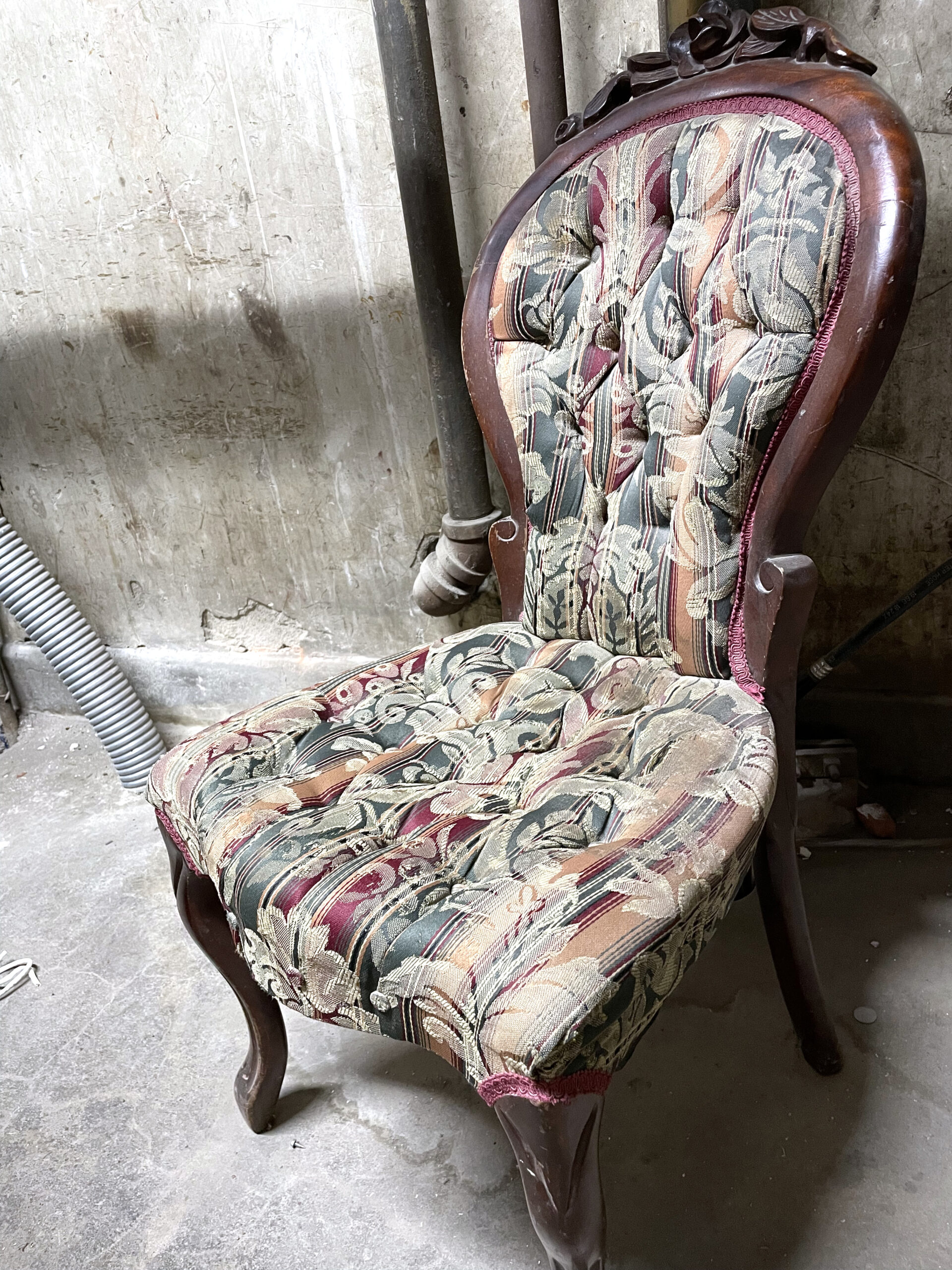
 The hotel is considered haunted. Hotel employees have seen Colonel Eldridge’s ghost sitting in an original hotel chair in storage. A photograph taken in the lobby shows a ghostly spirit standing in the lobby’s elevator. Room 506 is considered to be the most haunted guest room in the hotel, and it is considered the colonel’s favorite spot. Of course, I requested room 506 for my overnight stay.
 In 1932, the Bonnie and Clyde Gang stayed at the hotel and later robbed the bank across the street. They fled across state lines without issue. According to an article on The Eldridge’s website, the gang made off with over $33,000. You can read more about the hotel’s history and ongoing renovations
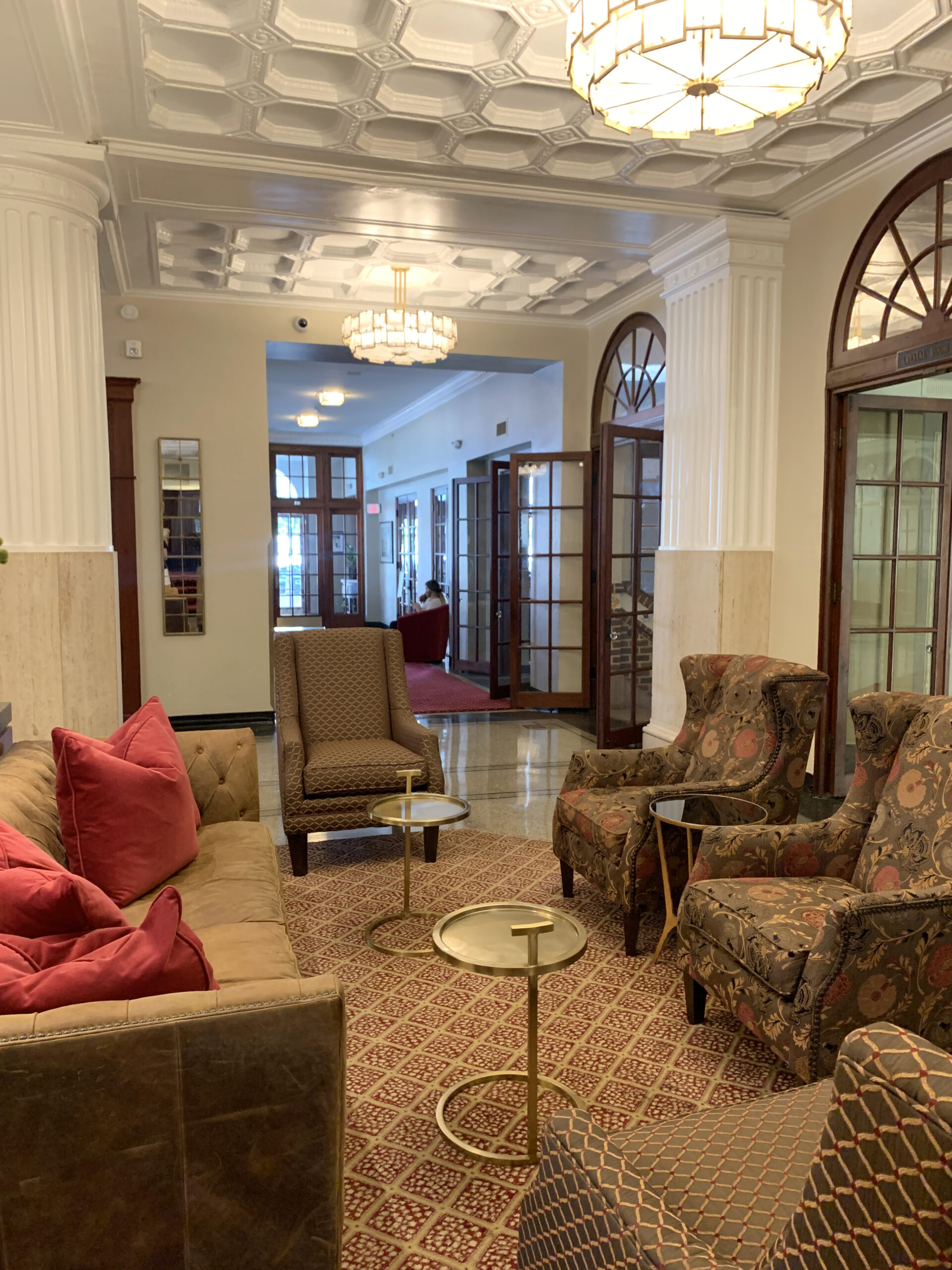
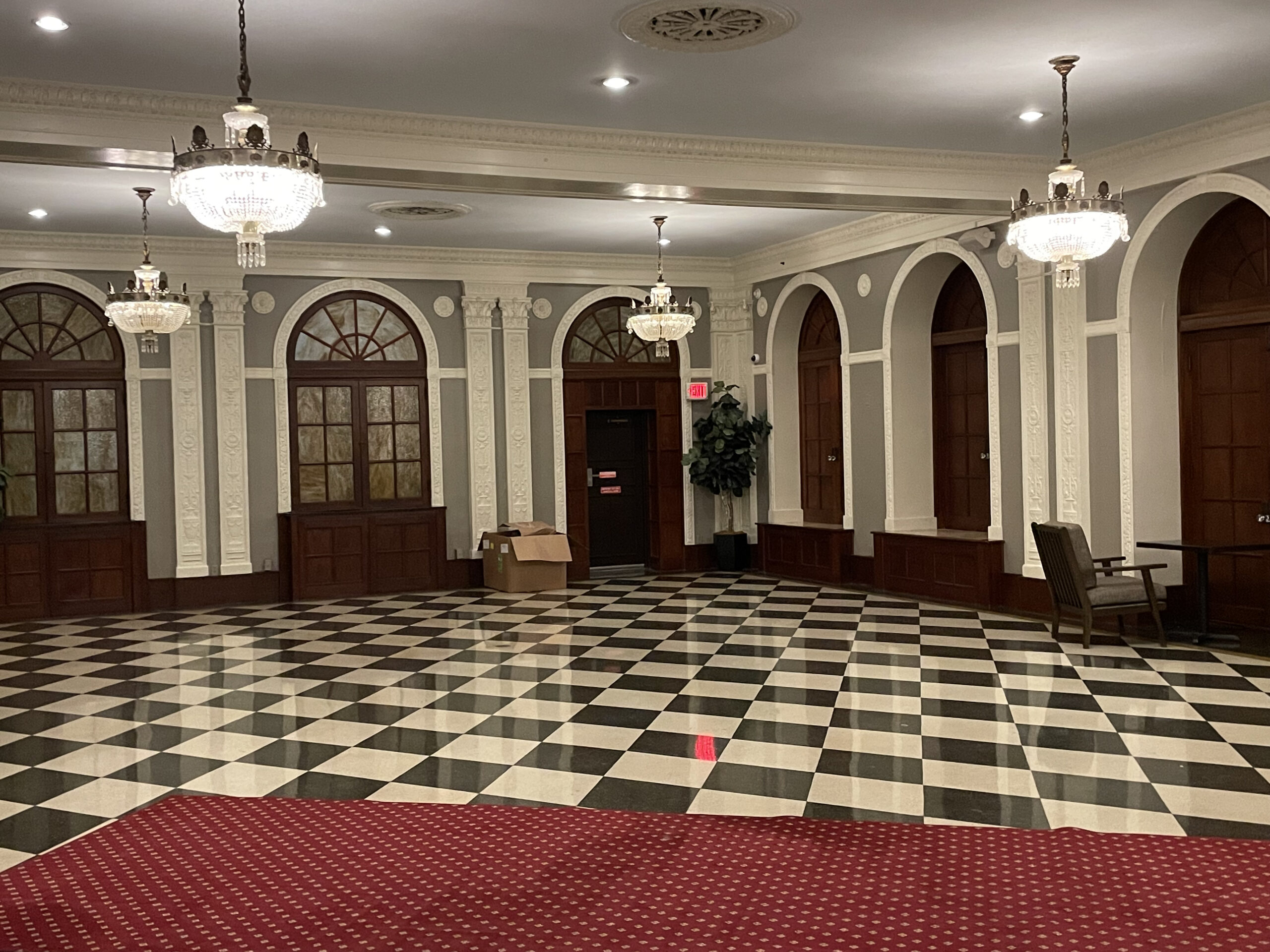
 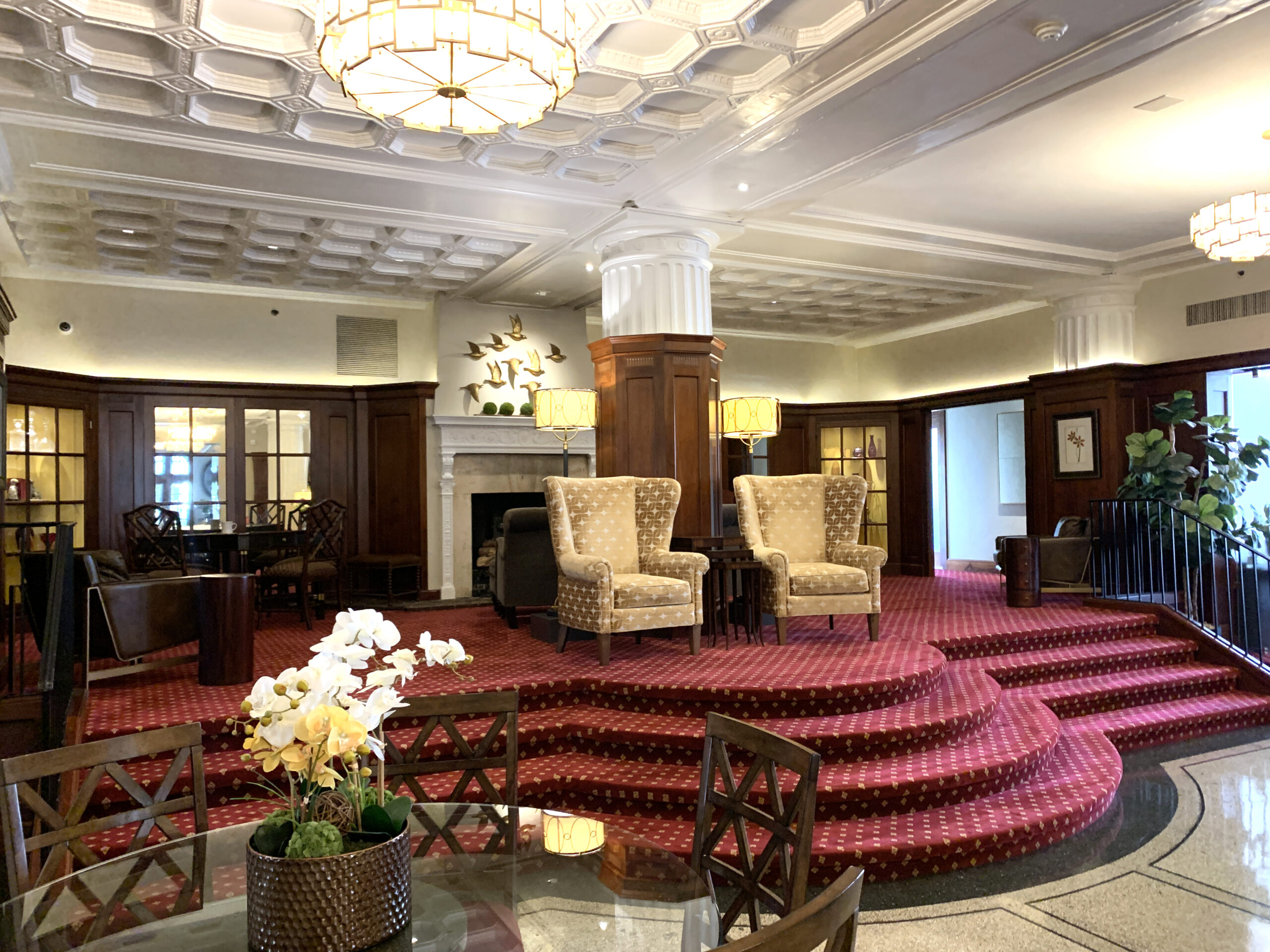 The hotel serves as a venue for guests who want to celebrate weddings, reunions, and private gatherings for up to 180 guests. The ballroom pictured below includes original crown molding, archways with windows, and crystal chandeliers. The hotel’s concierge wanted to show us other rooms of historical significance, so he took us to a few private areas not open to the public.
 We entered what looked to be a boiler room of sorts that included a narrow, steep staircase without a railing. It was time to scale the stairs to see Colonel Eldridge’s favorite chair first-hand. I climbed the stairs steadying myself with my hands upon each stair. There it was! A dusty ornate chair that many employees say they’ve seen Eldridge sitting on smoking his pipe. Would you want to see the chair for yourself?
 All in all, my stay at The Eldridge was exceptional. The hotel stay went above and beyond to cater to my curiosity about the hotel’s history by taking me on a guided tour and telling me the background story of many of the black and white photographs hanging in the lobby.
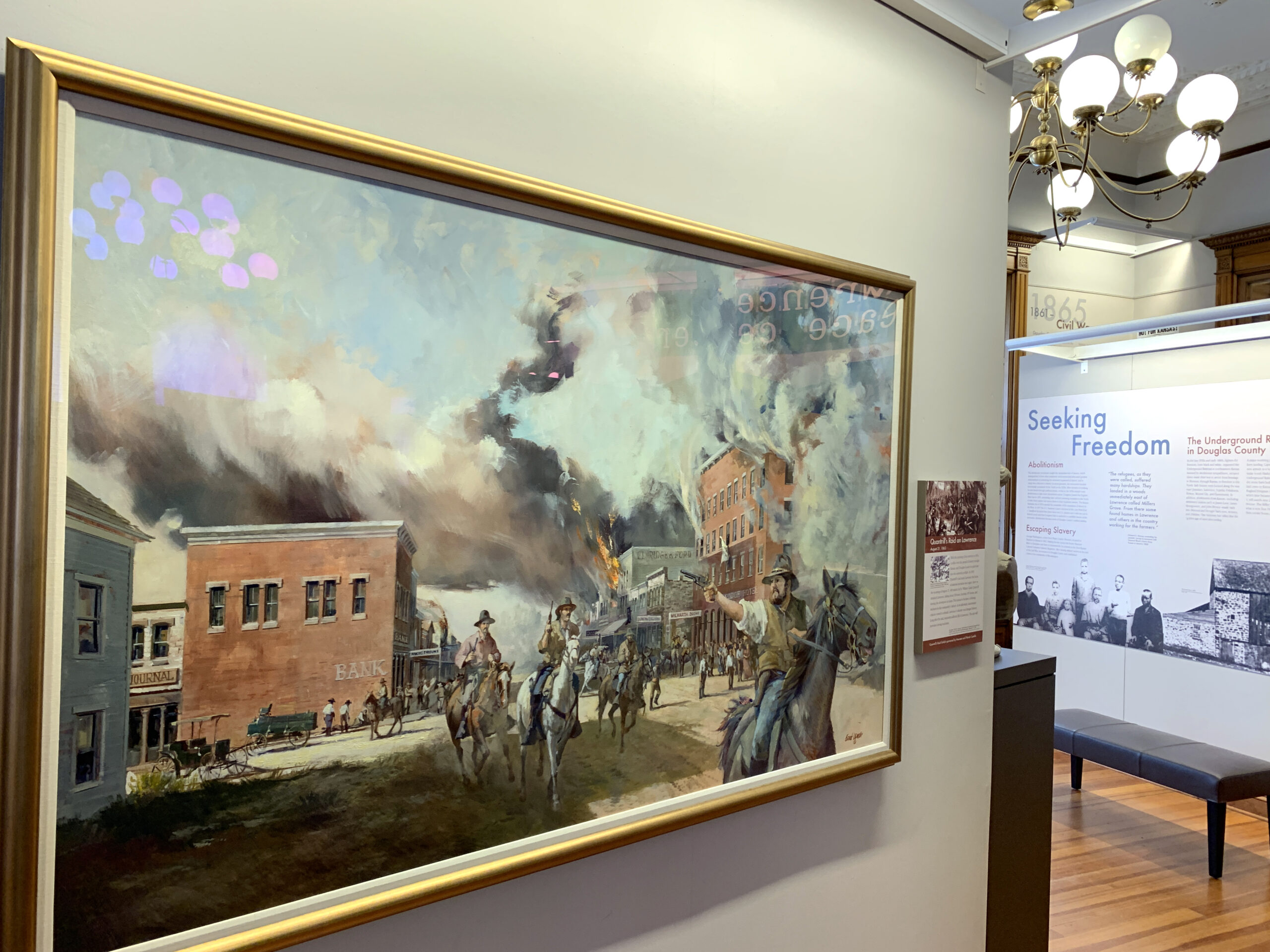
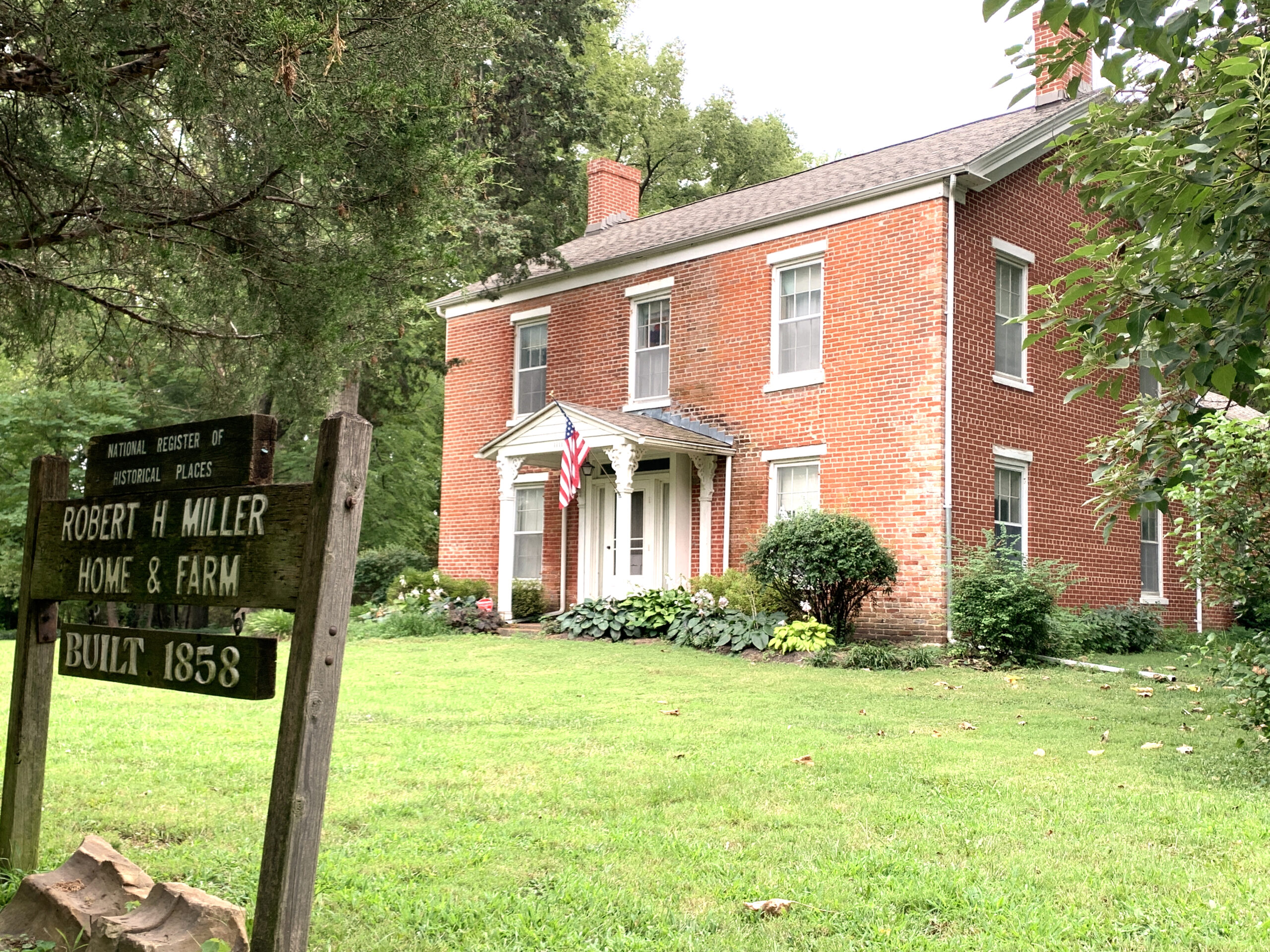 Quantrill and his men rode up to the house with 400 men on horseback on their way from the town of Franklin to raid Lawrence on August 21, 1863. He was recognized by one of the Miller daughters. She greeted him. He and one of his men most likely stayed overnight at the home weeks earlier during a scouting mission.
 The second stop on the bus tour took us to the
 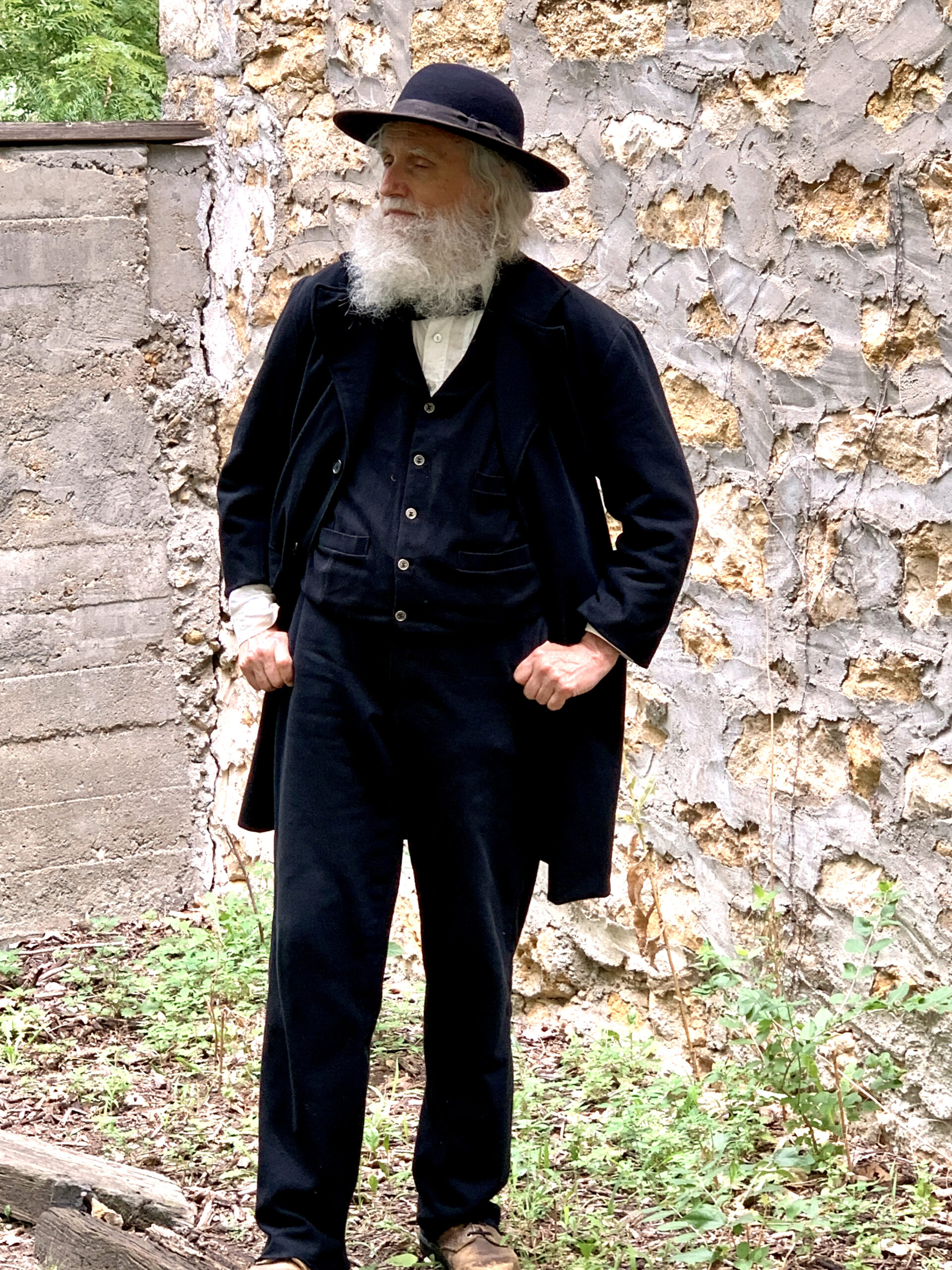 The final stop of the Bleeding Kansas Bus Tour took us to the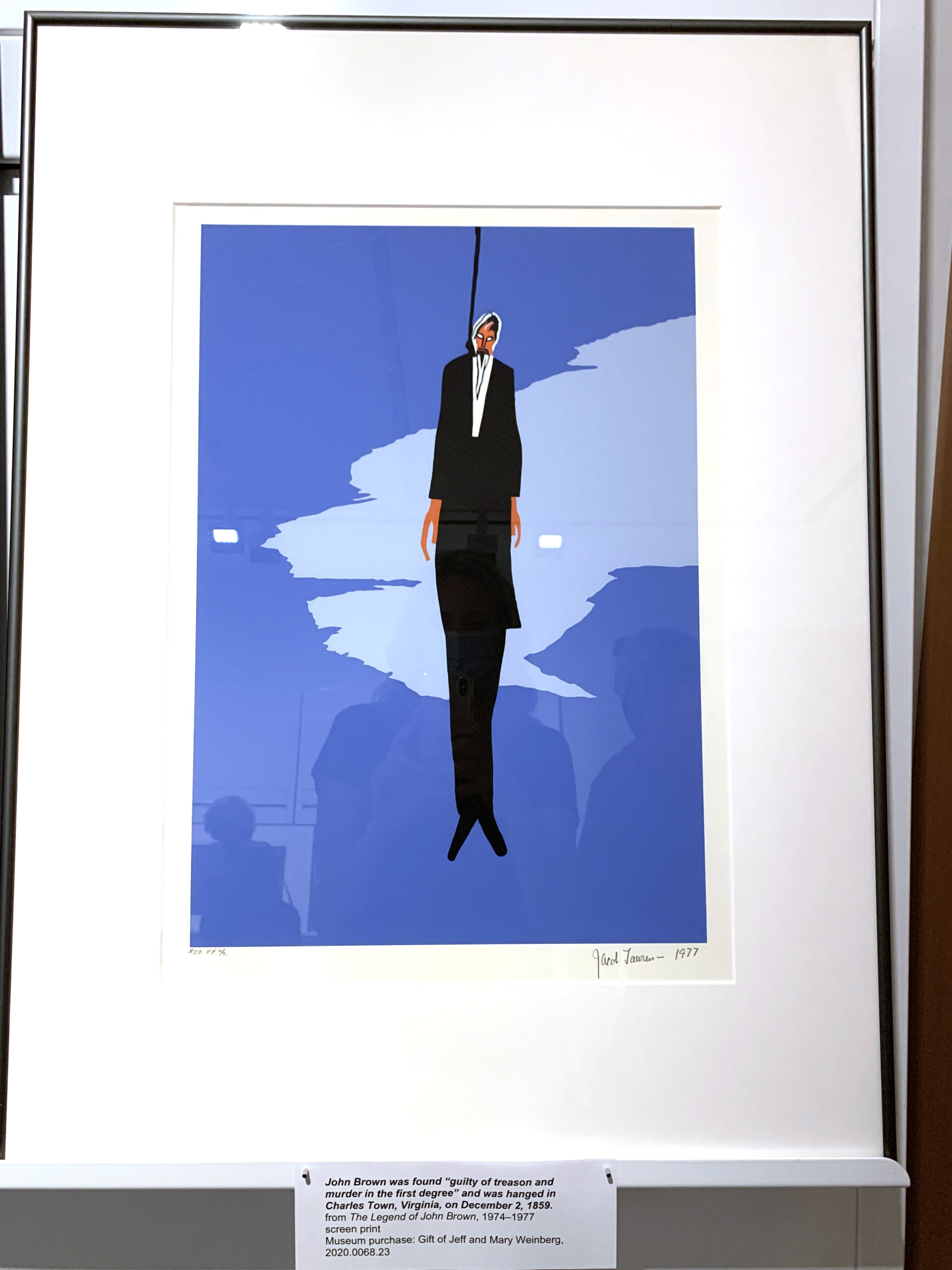
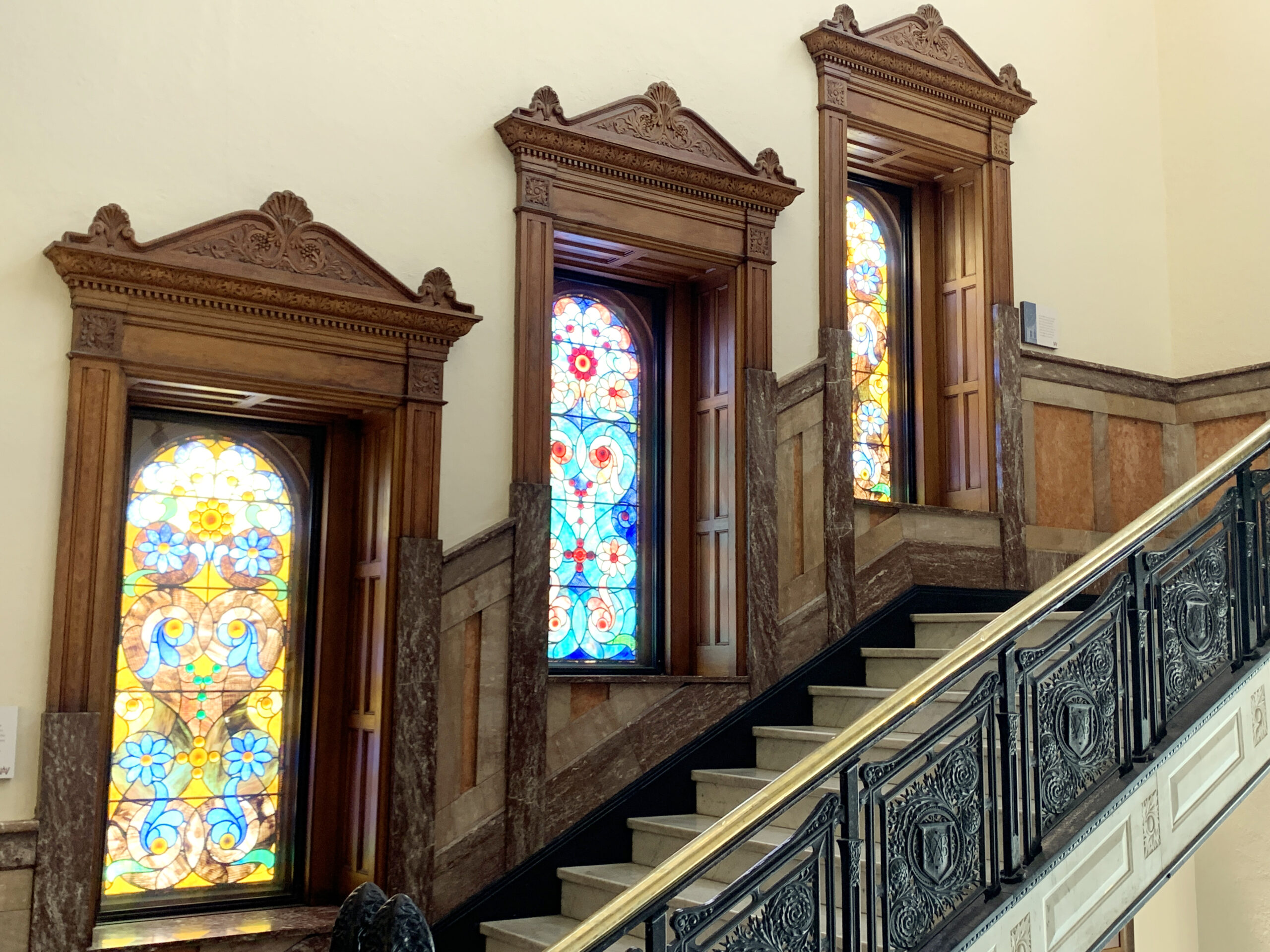
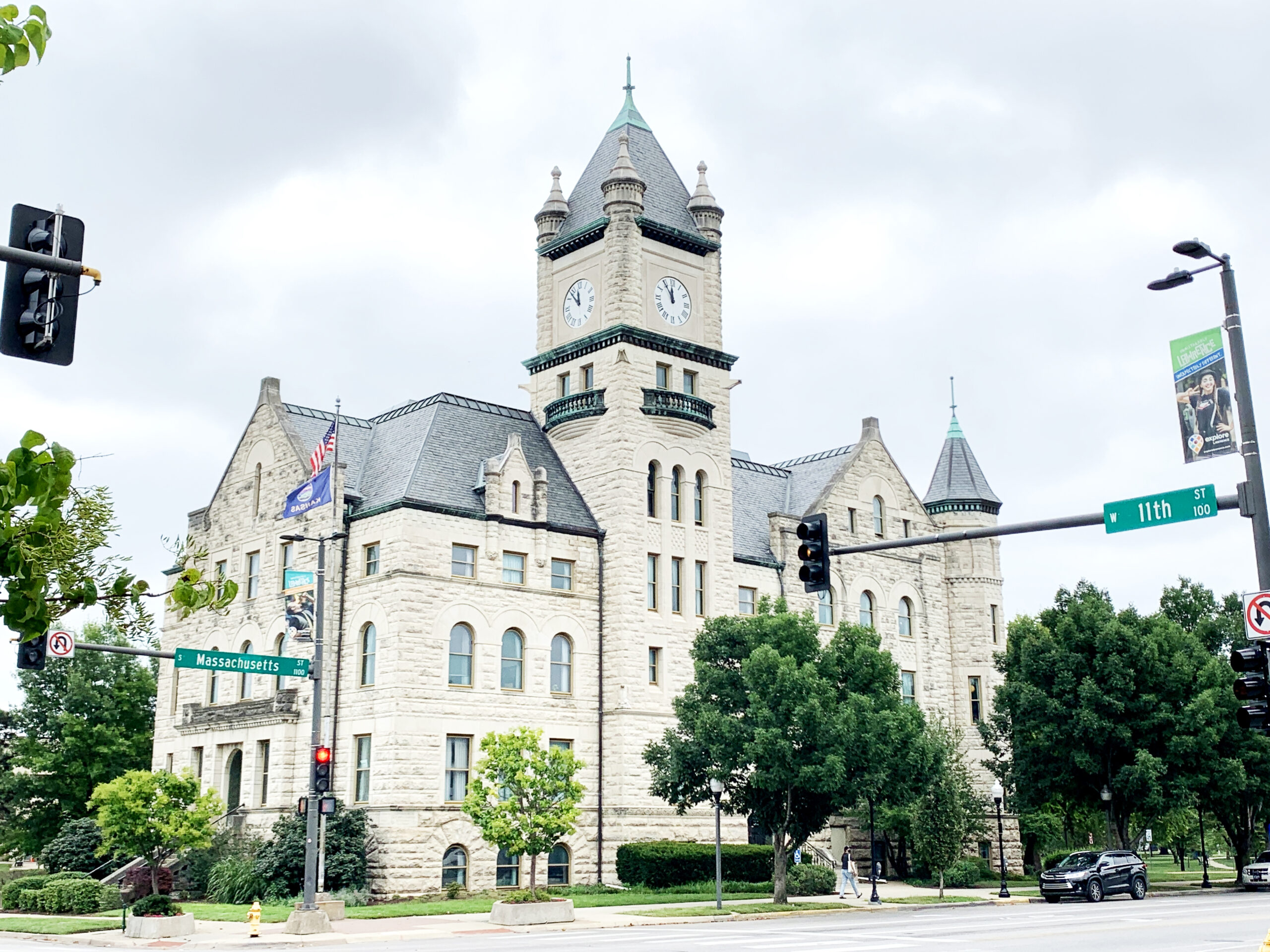
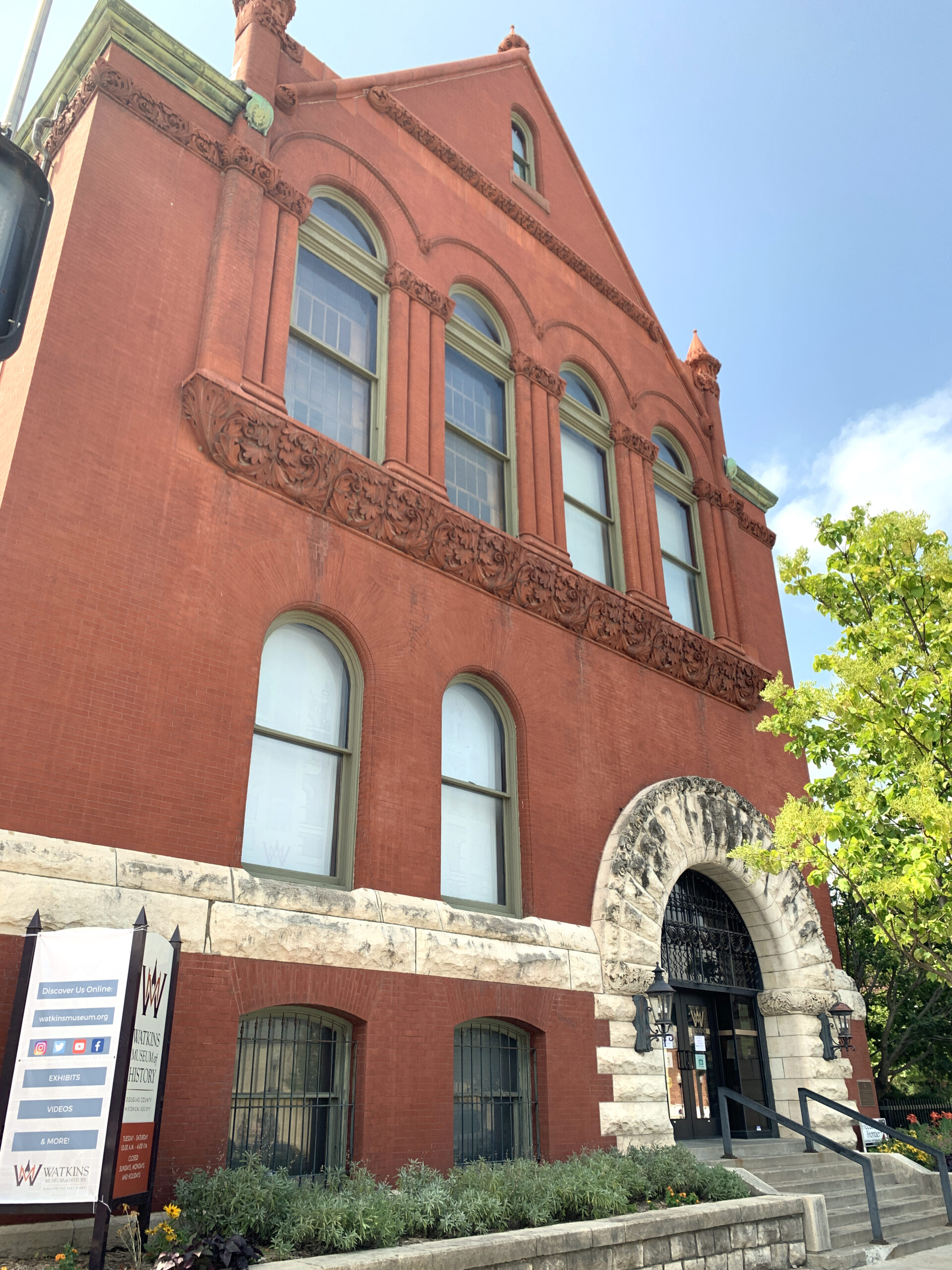 The building’s founder loved ornate architecture and the finest materials available. The building is a masterpiece, with its marble staircases, salvaged stained-glass windows, hand-carved woodwork, and marble mosaic flooring. The bank originally functioned as a place where farmers came for land loans. Later, it was donated to the city and was used as the City Hall until 1970.
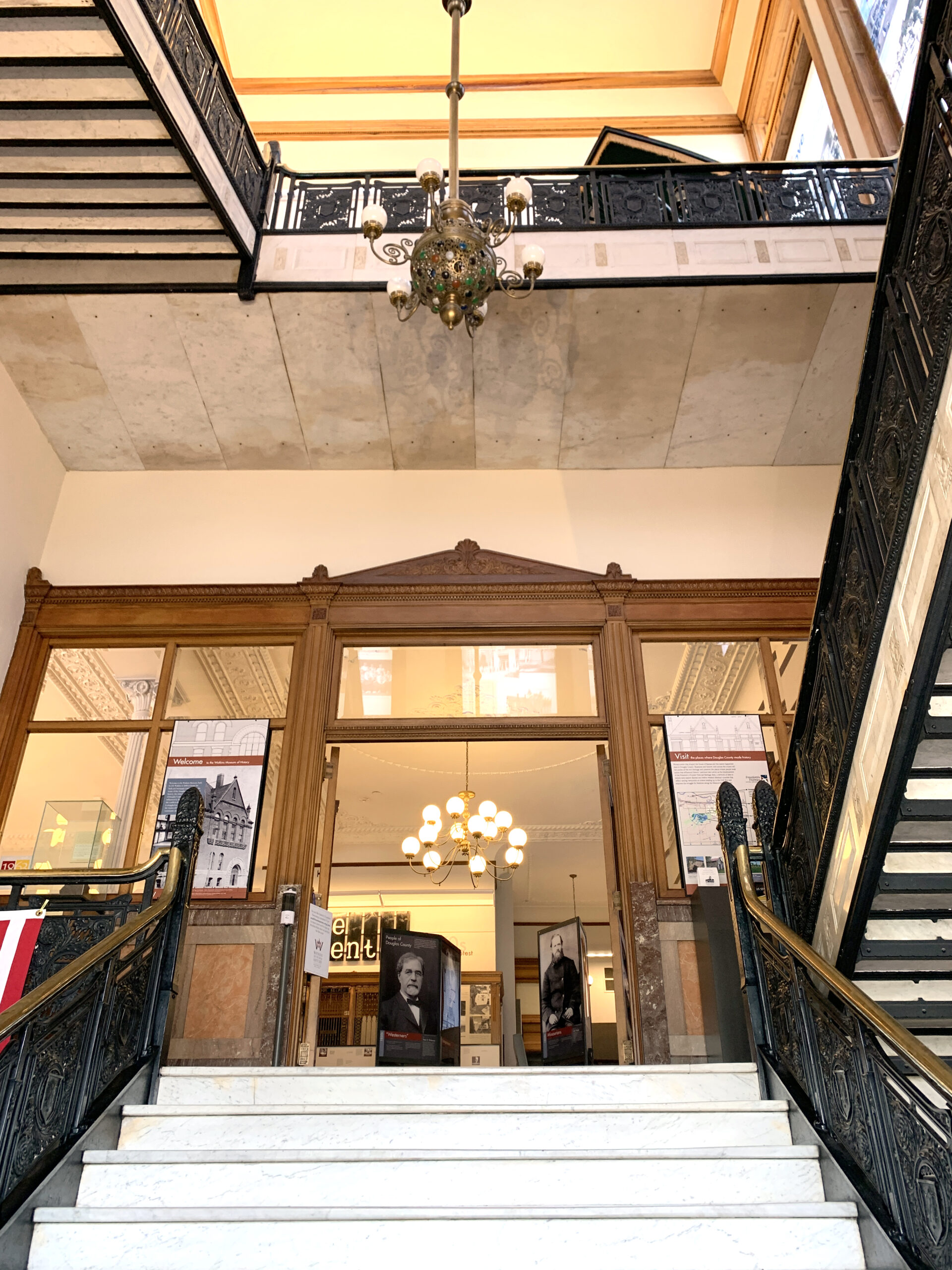 For the last 10 years, Watkins Historical Museum has been welcoming visitors to tour the building and its permanent exhibits for free. Four smaller rotating exhibits are updated about every six months. The permanent collections’ themes range from Lawrence’s history to University of Kansas basketball to pioneer life artifacts.
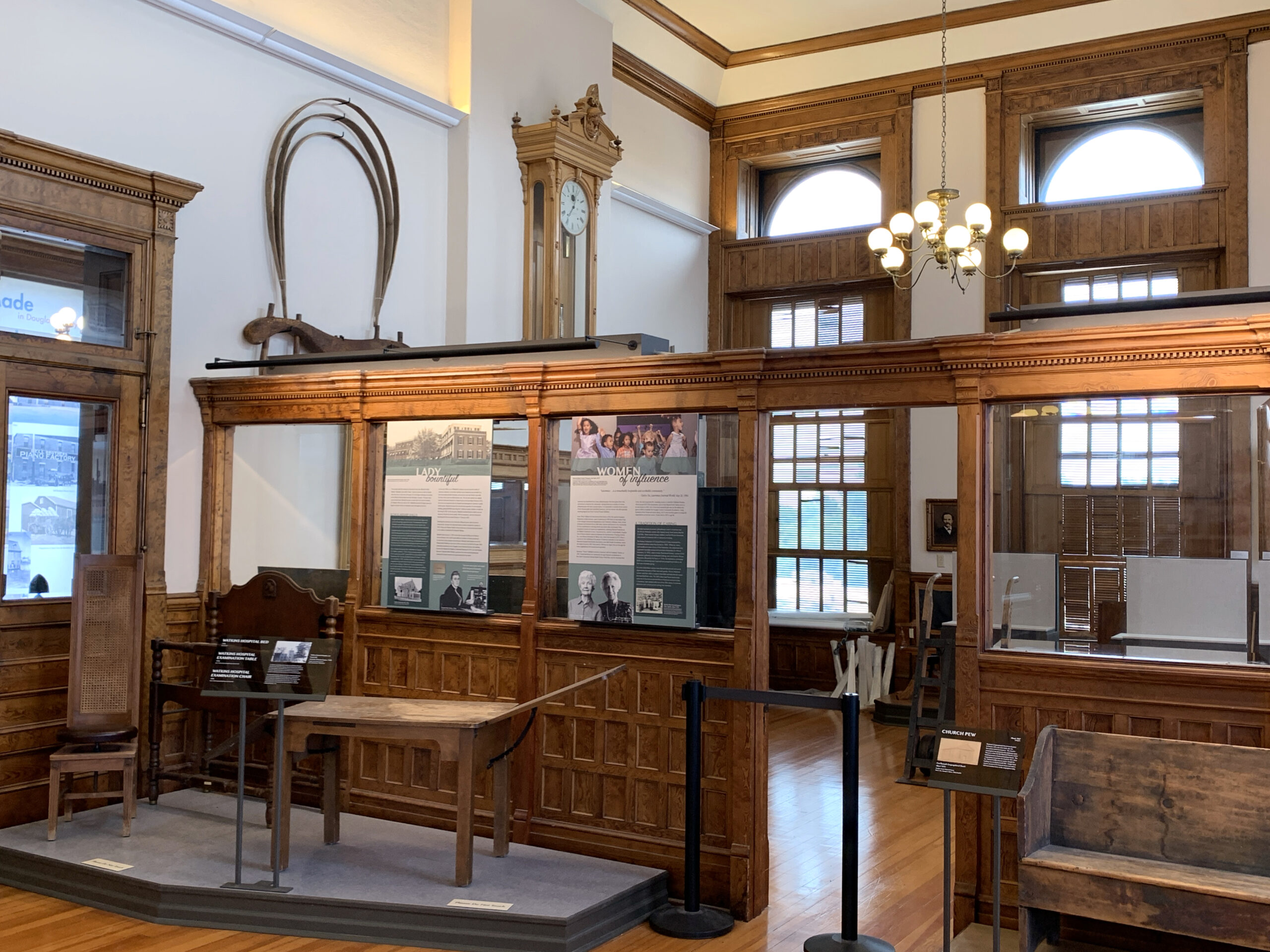
 The space in the photo below is part of Watkins’ original office, which still includes his fireplace, bank vault, and shutter-covered windows. Artifacts from his wife’s contributions to the University of Kansas are included nearby.
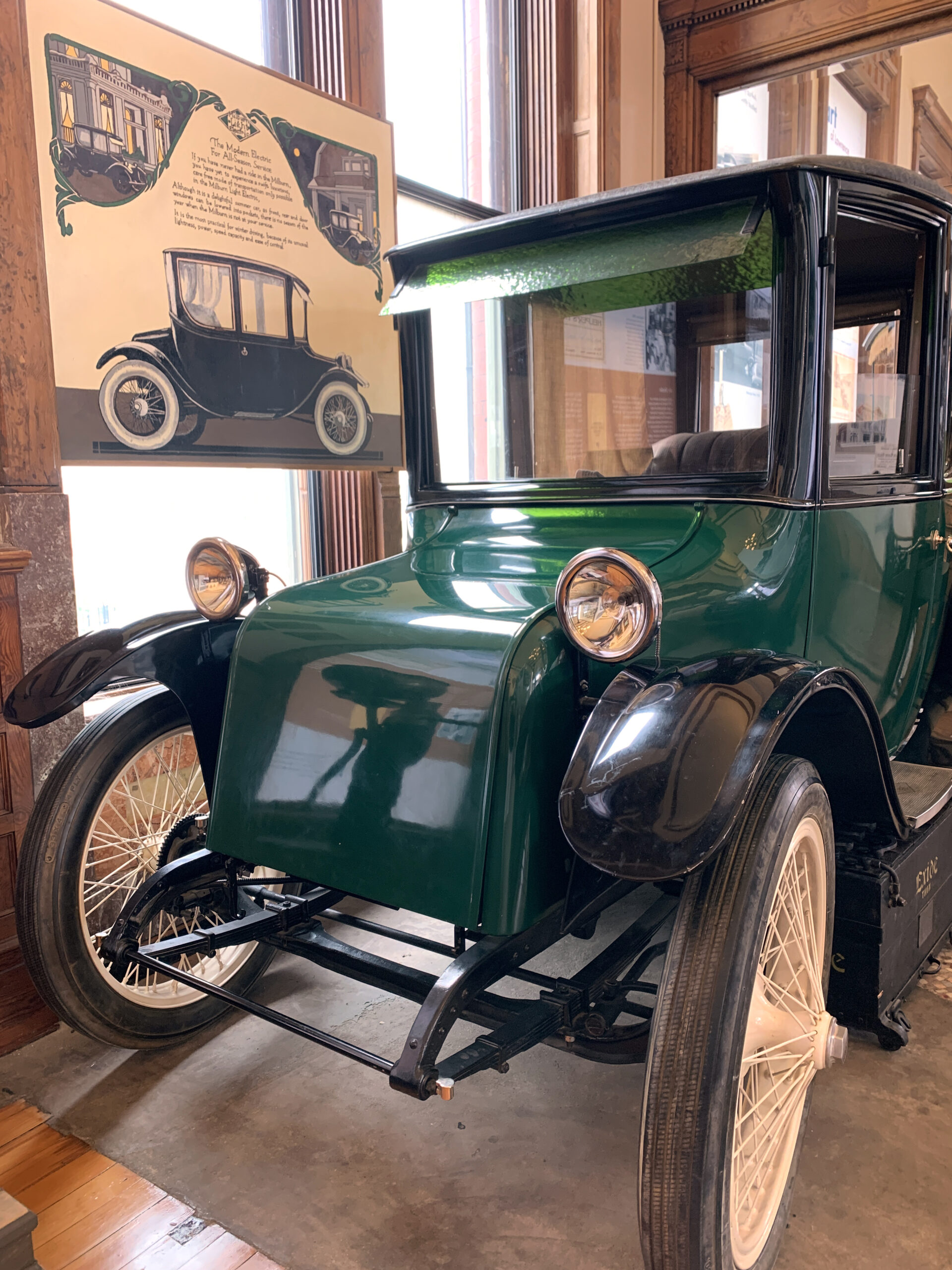
 An authentic electric car sits on display in one corner of the museum. The Milburn Light Electric car was owned by Lawrence resident Eleanor Henley, who used it to run errands in town. When you visit the car, look inside! It doesn’t have a steering wheel. How did Eleanor drive it? You’ll have to take a trip to the museum to find out.
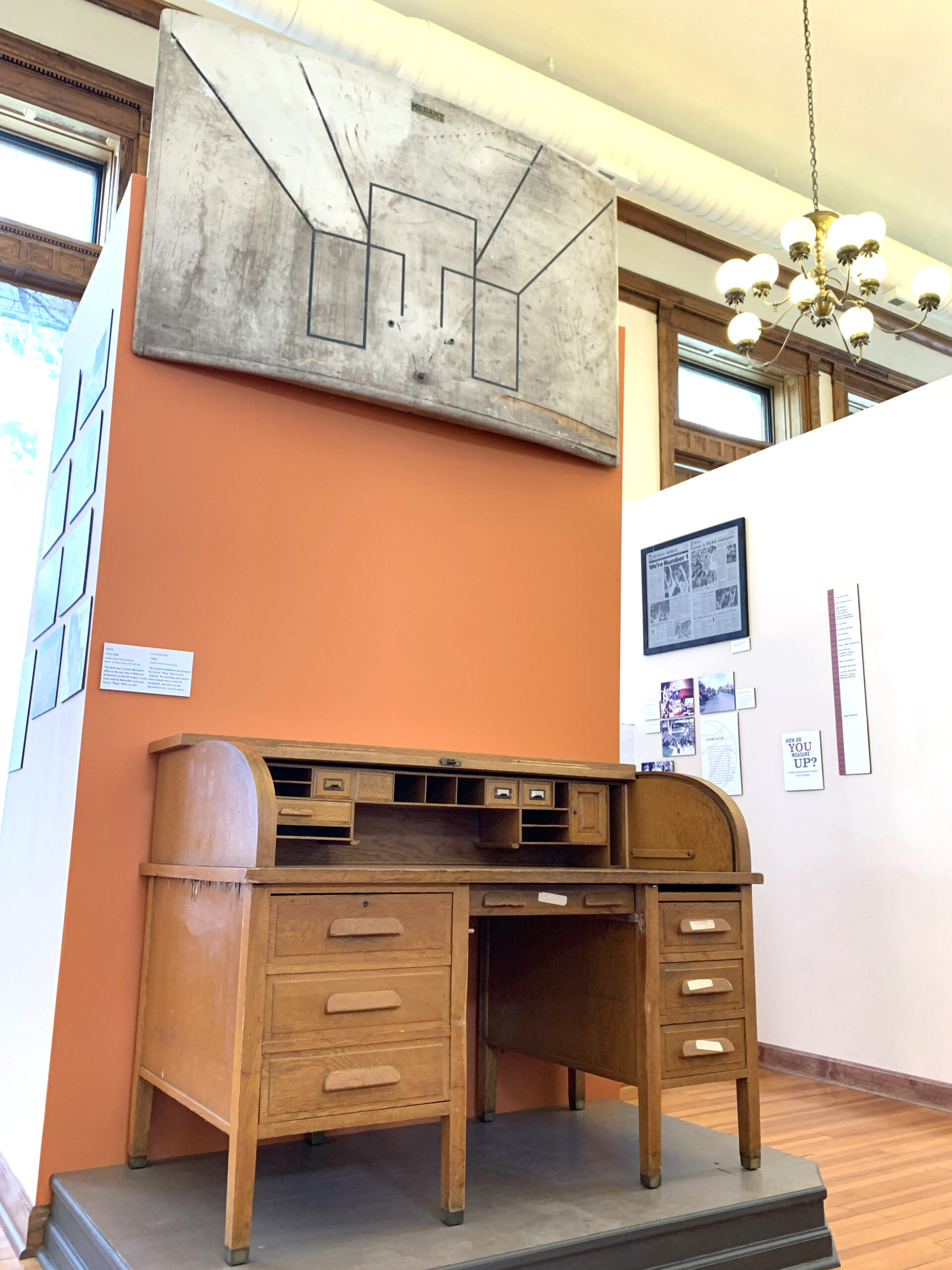
 Below are two significant items from the University of Kansas’ basketball program’s history. James Naismith used the desk in the Robinson Gymnasium on the KU campus. It most likely was also used by Forrest “Phog” Allen. If you open the desk’s drawer, you will see handwritten locker combinations, which may have belonged to the basketball players’ lockers. Allen designed the 1940s practice backboard to teach his students how to arc the basketball.
 Individuals and groups are welcome to visit for self-guided tours, though the museum prefers to prepare for student visits. To find out more about visiting the museum and its collections, view their
 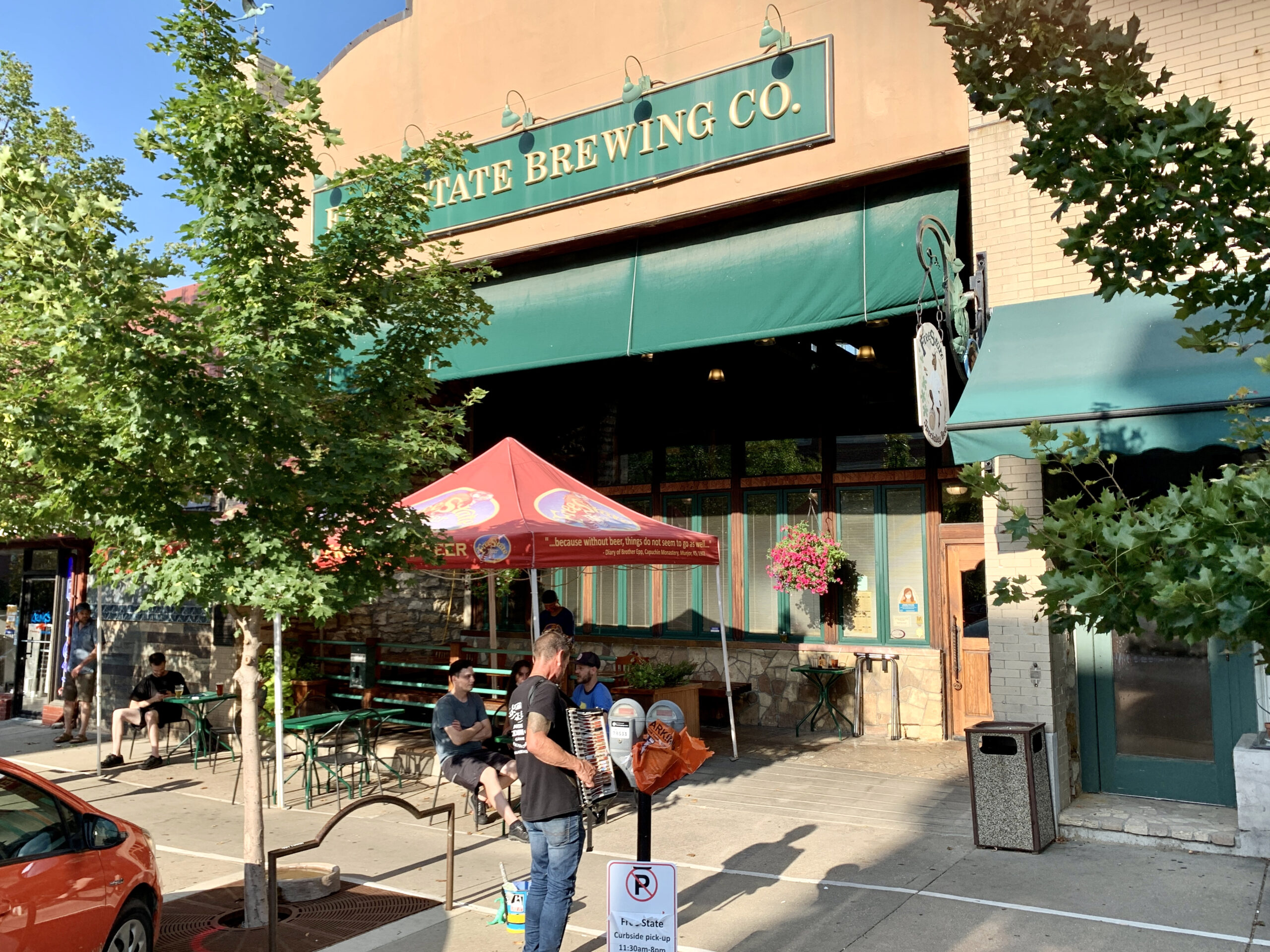 Their menu has always featured dishes made with fresh ingredients, with flair. You won’t find standard pub grub at Free State. The menu options appeal to foodies who appreciate unique flavor combinations and the freshest ingredients.
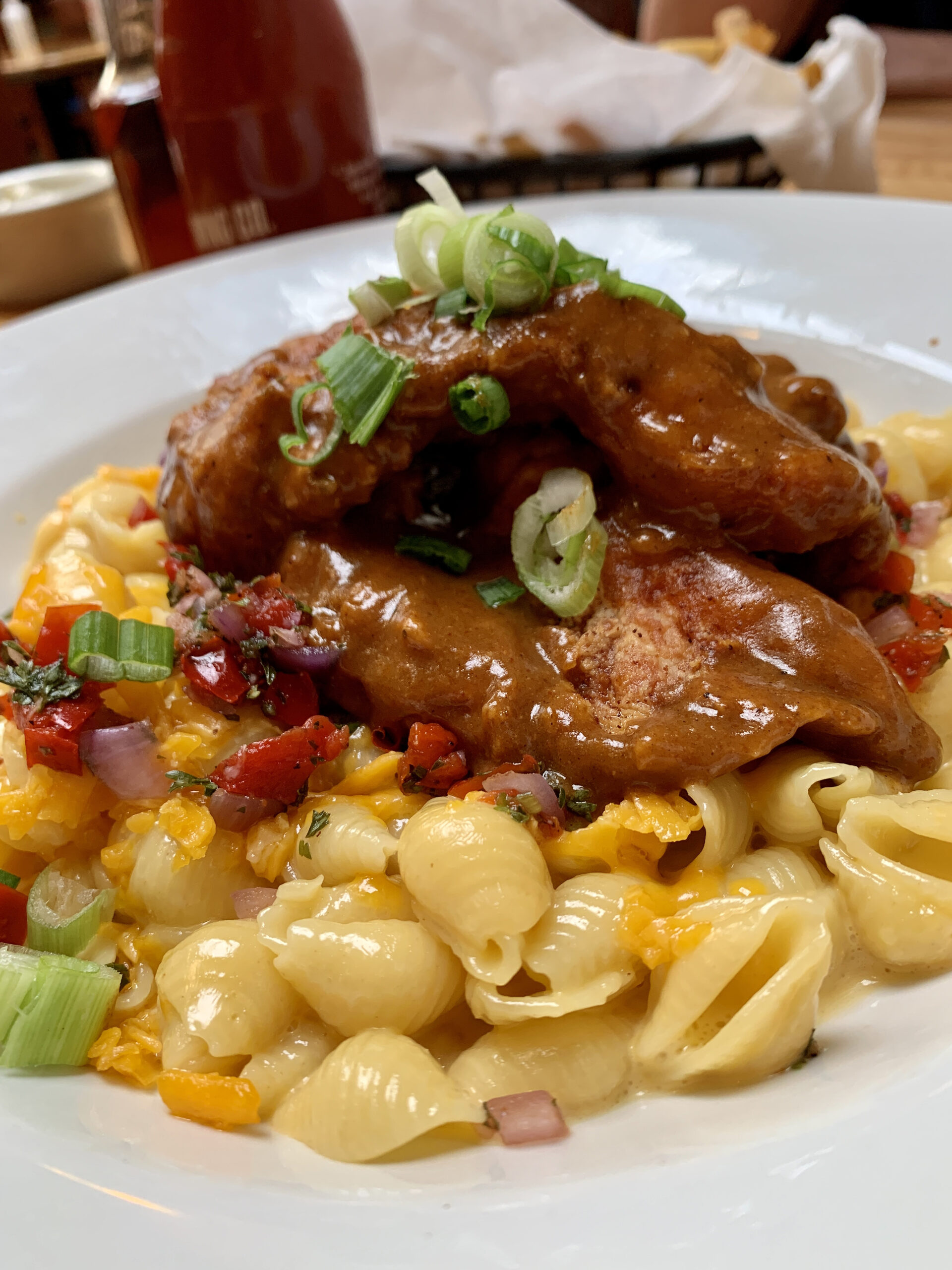
 We enjoyed the Filipino Egg Rolls with Sesame Chile Soy Dipping Sauce as an appetizer and shared the Nashville Chicken Mac and Free State Fish and Chips for dinner.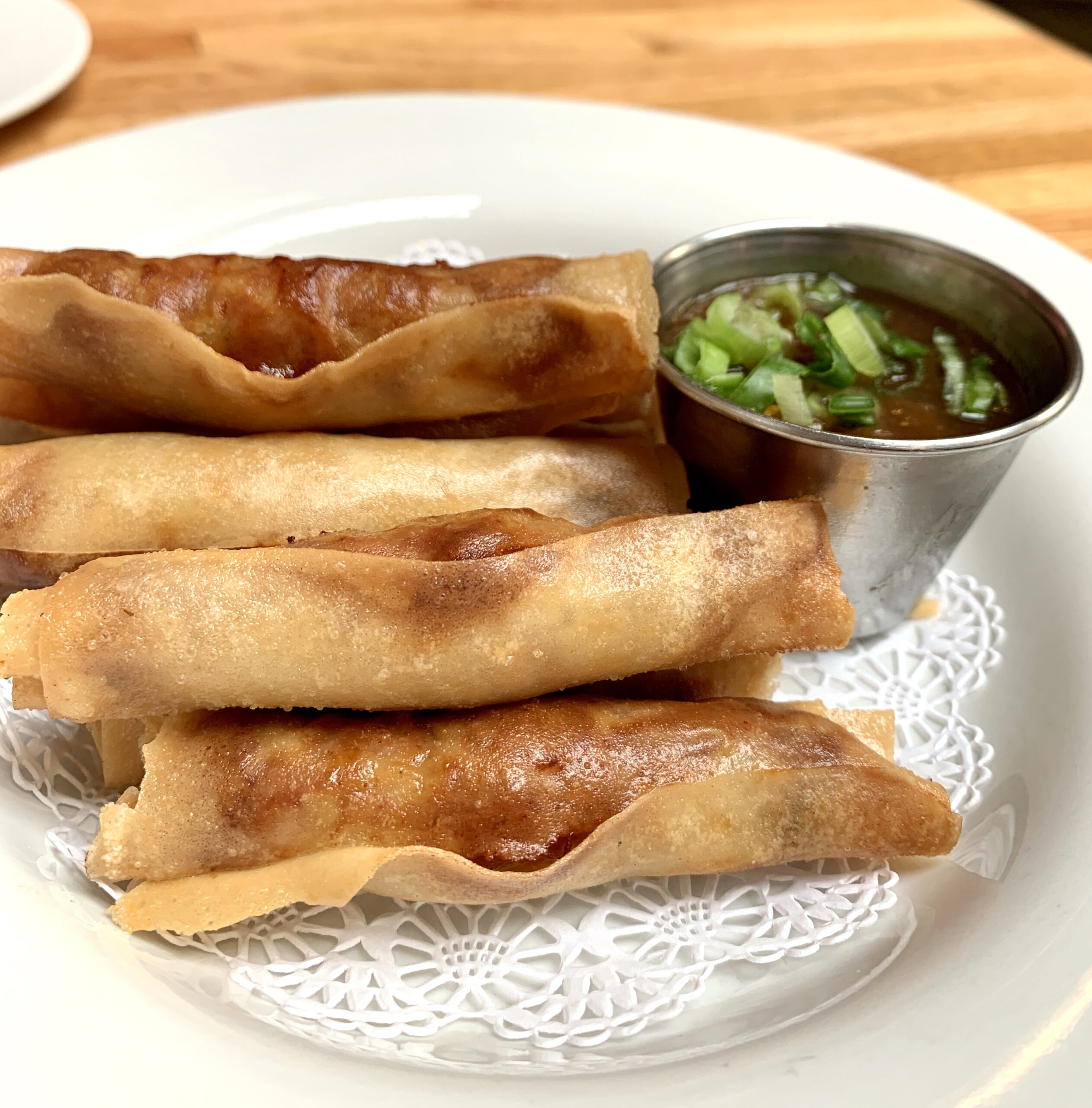
 I highly recommend stopping at Free State Brewing Co. for lunch or dinner during your visit to Lawrence. Although they are not hosting brewery tours now, you can check their
 My explorations led me to
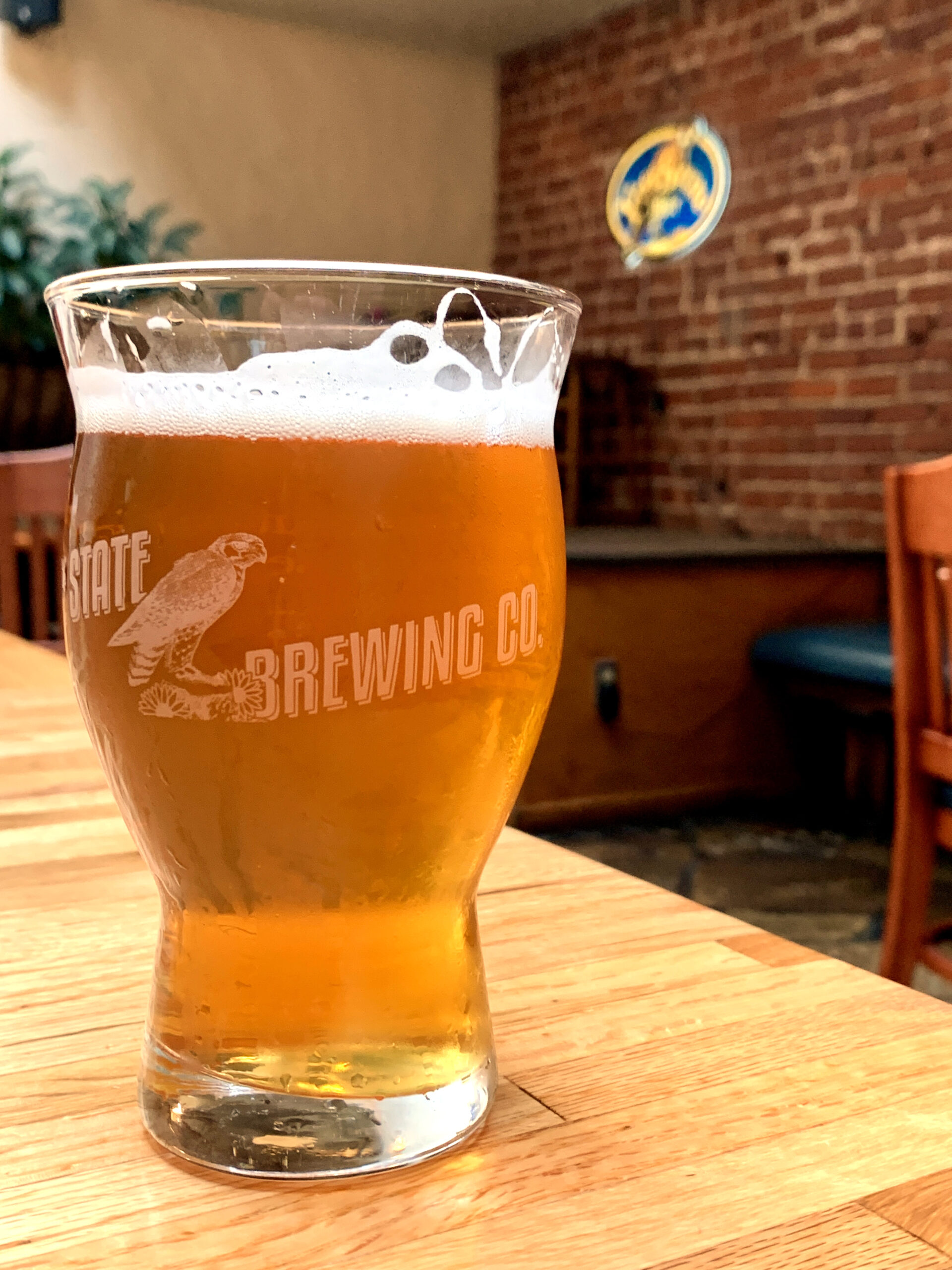
 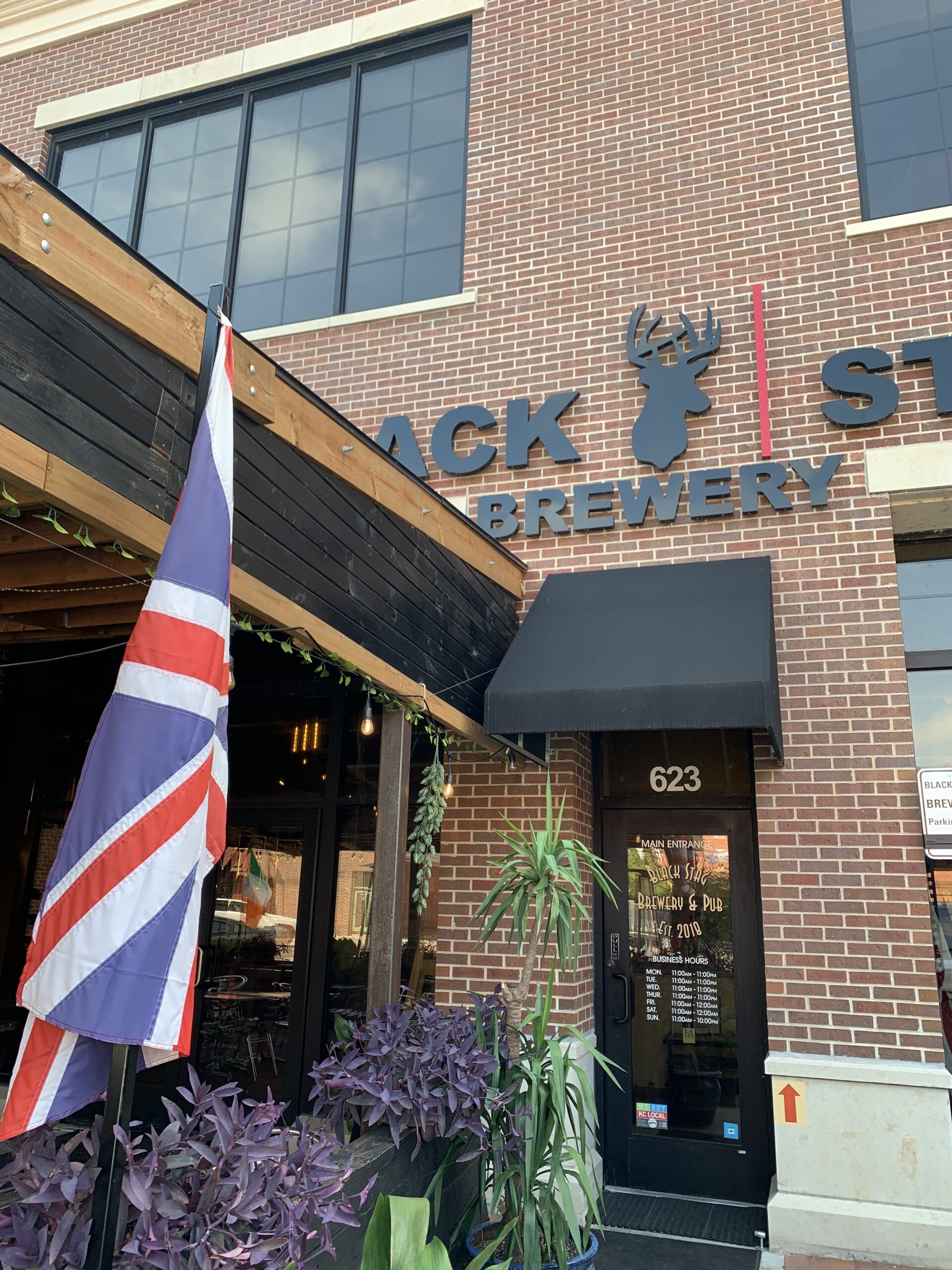 Unsure what beer you want a pint of? Ask the bartender for samples. I enjoyed tasting the Mosaic Dream IPA and the 1865 Black Stag.
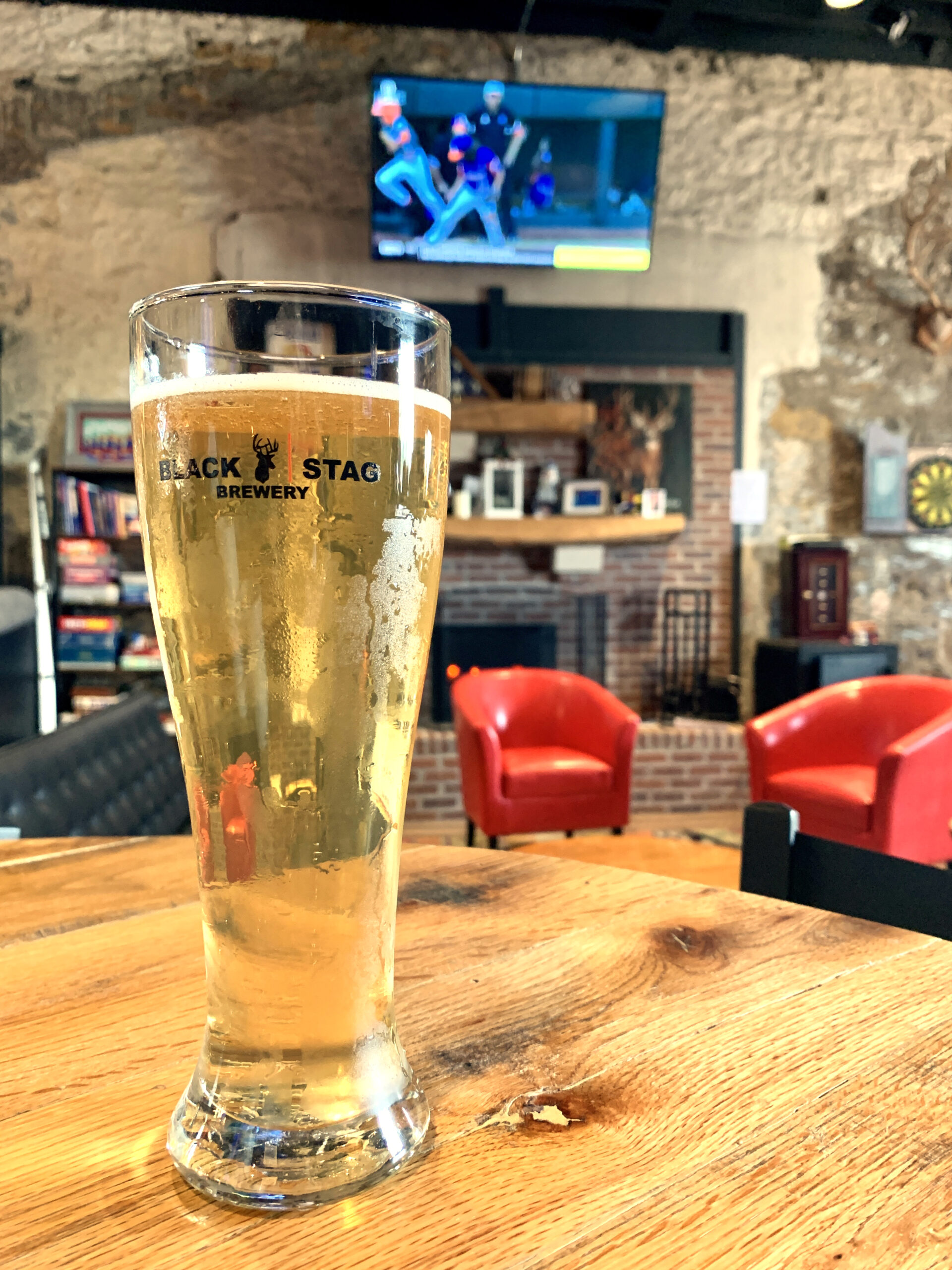 When in Lawrence, I also like to revisit a few tried-and-true hangouts.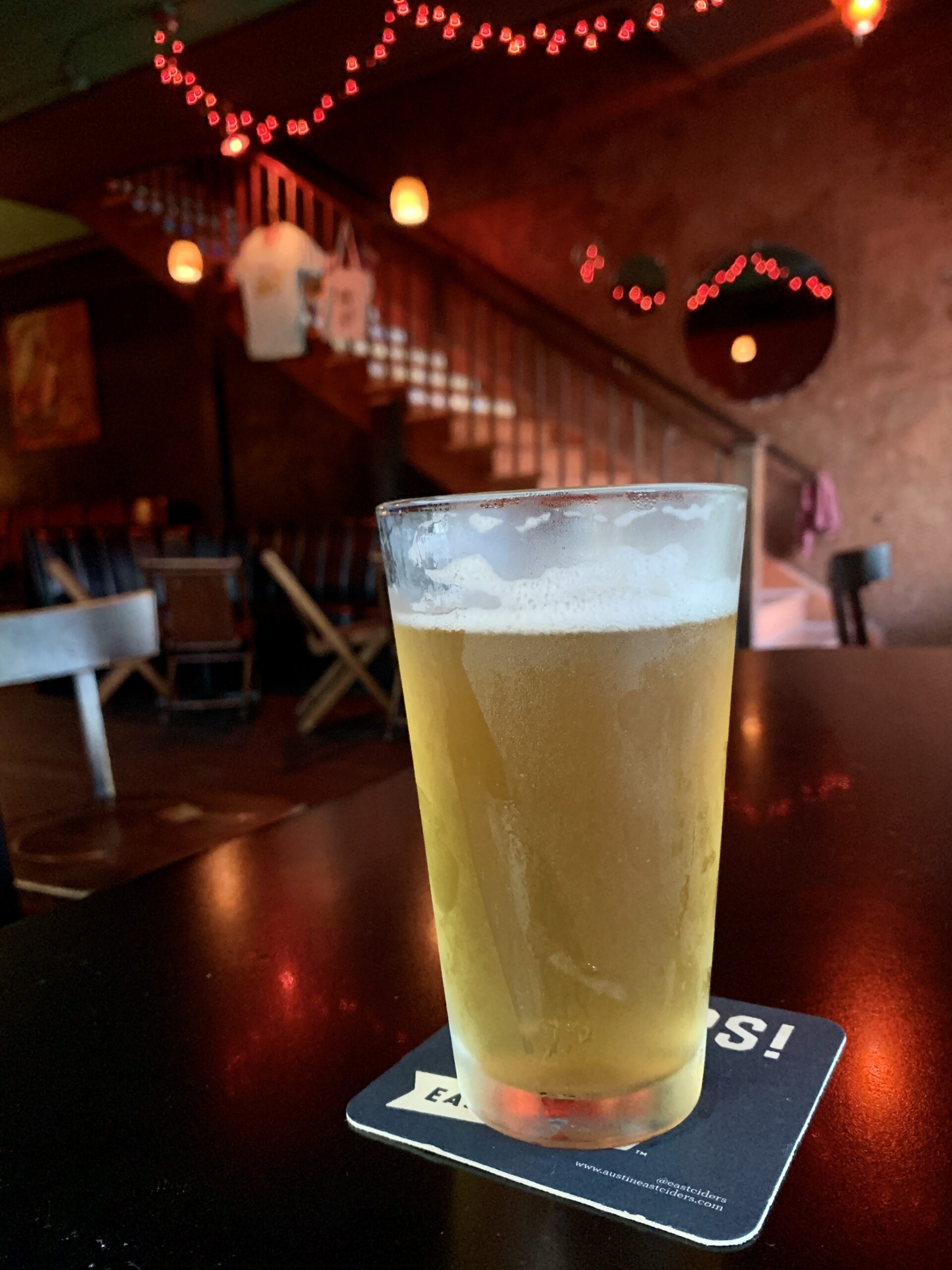
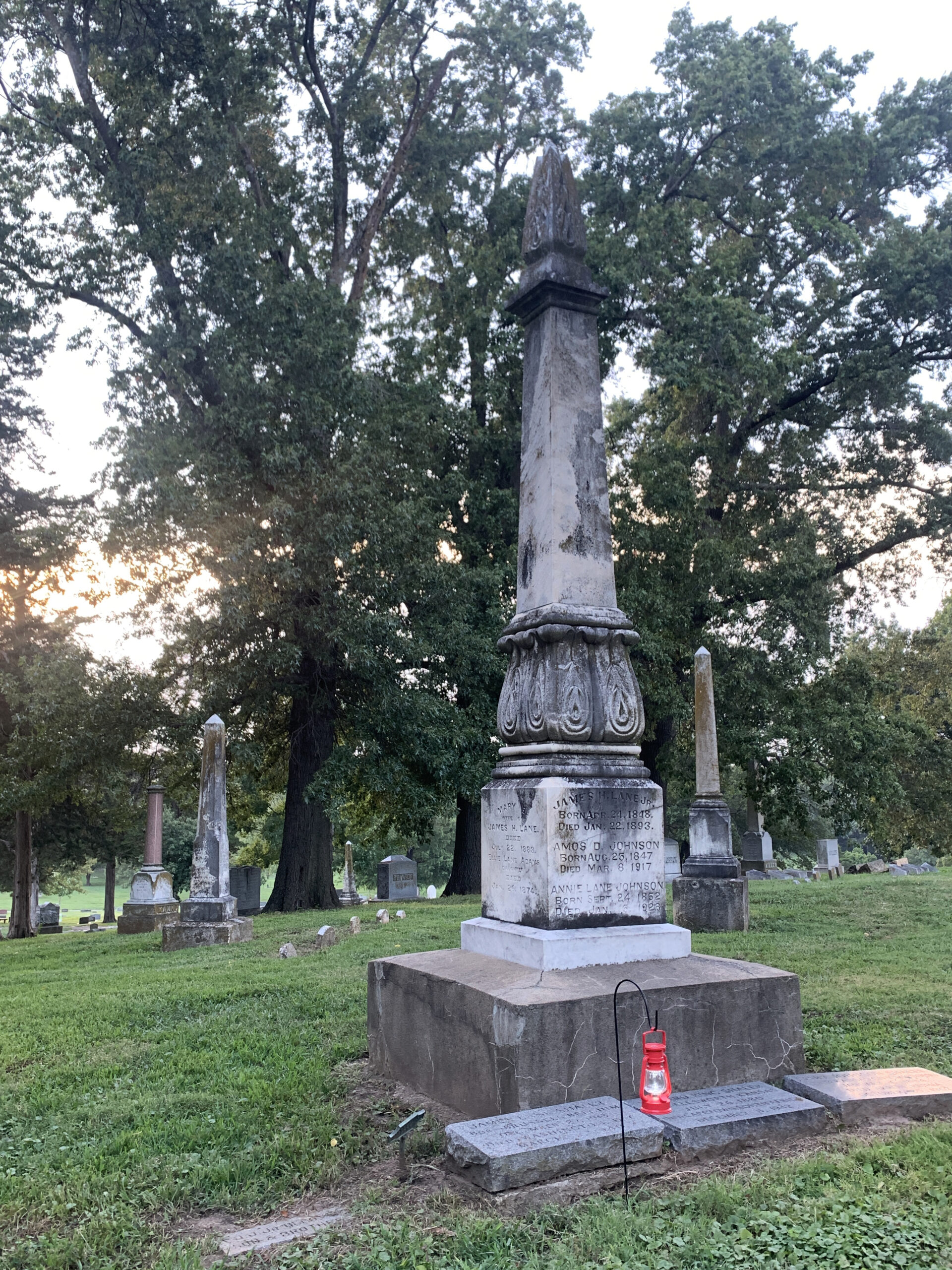
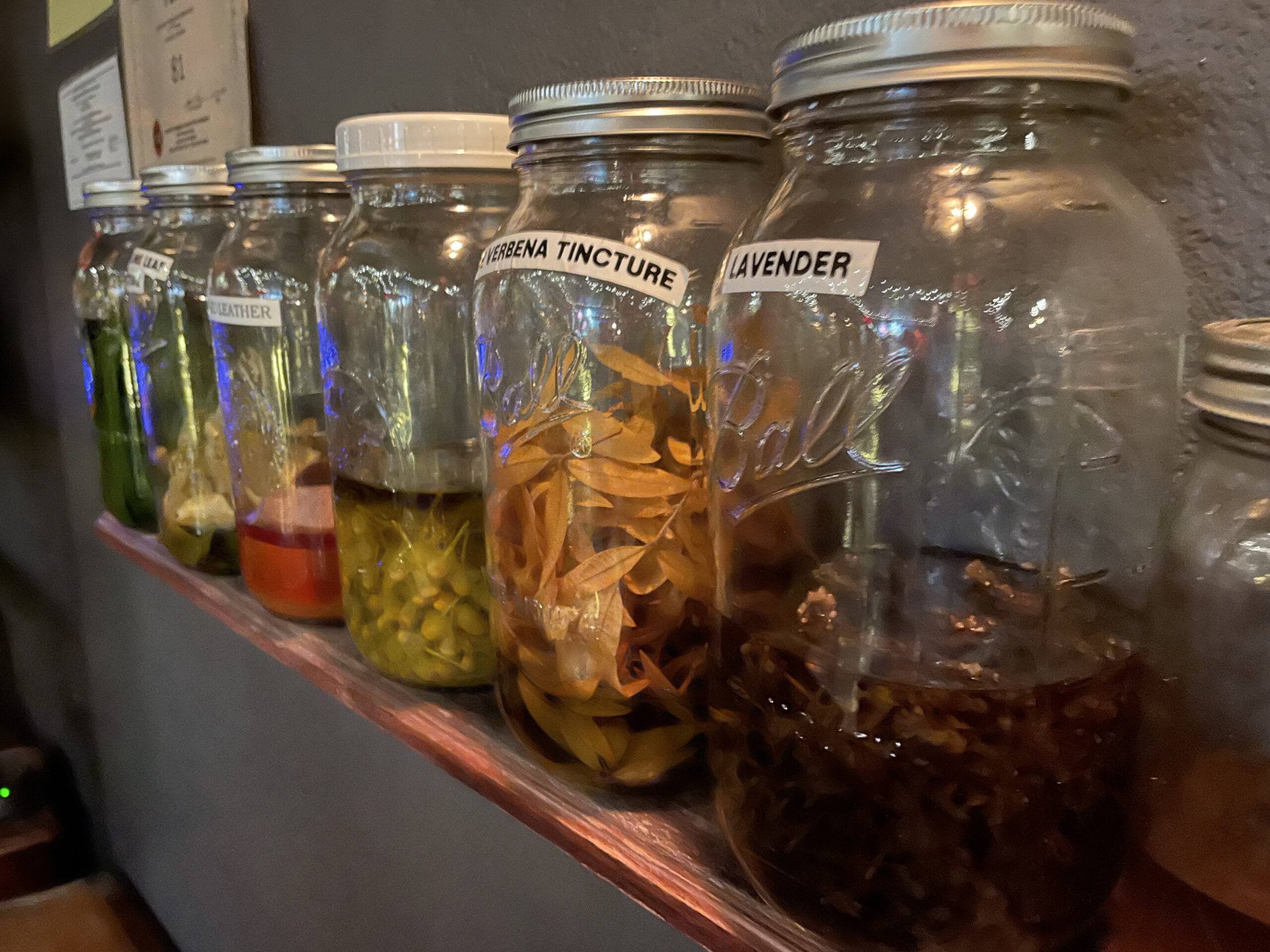
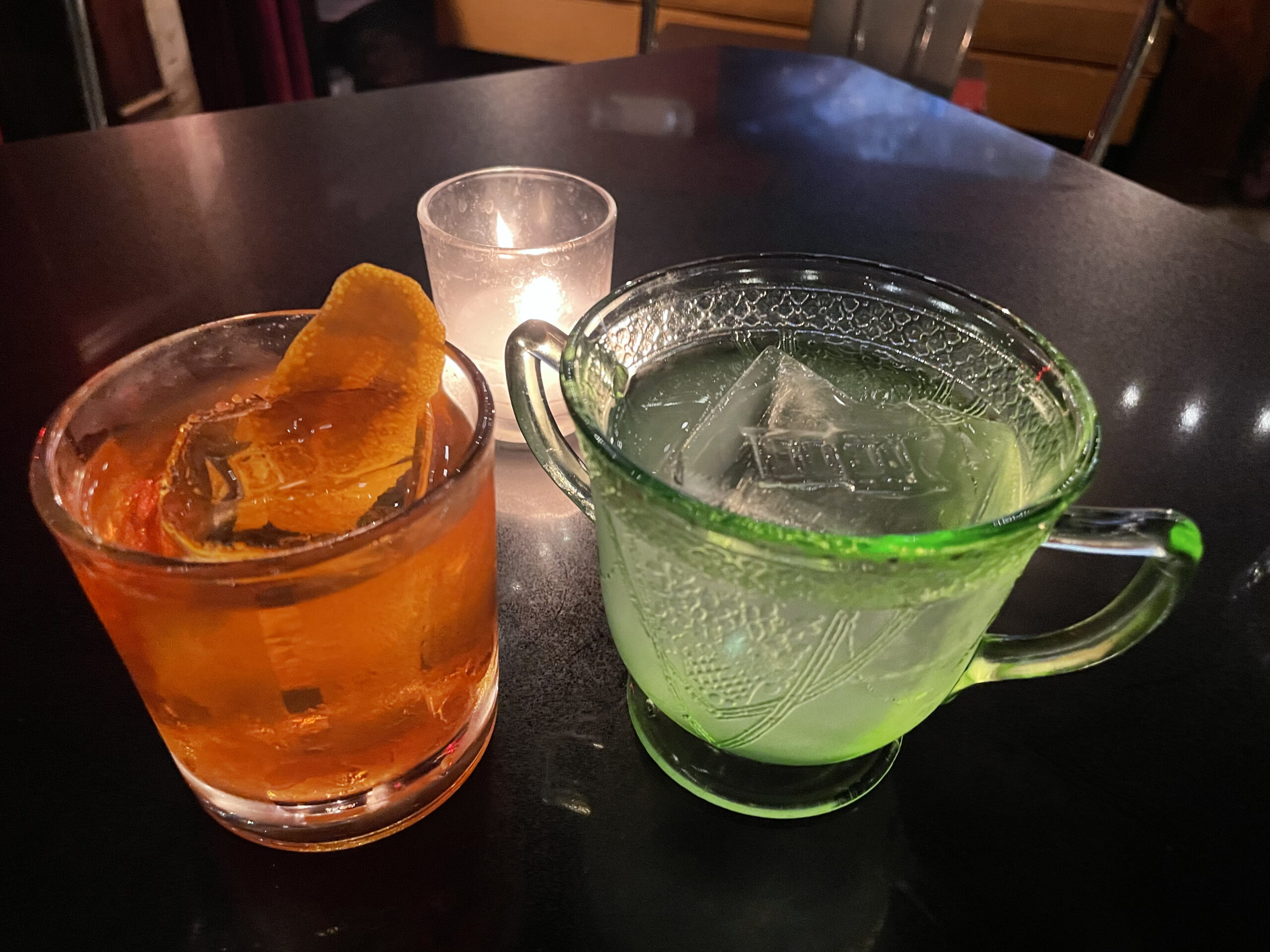 A friendly server helped me choose a cocktail recipe from a long list of options. Since it was the eve of the anniversary of Quantrill’s Raid, I chose the John Brown made from whiskey, rum, demerara sugar, and bitters. It was spirit-forward but smooth.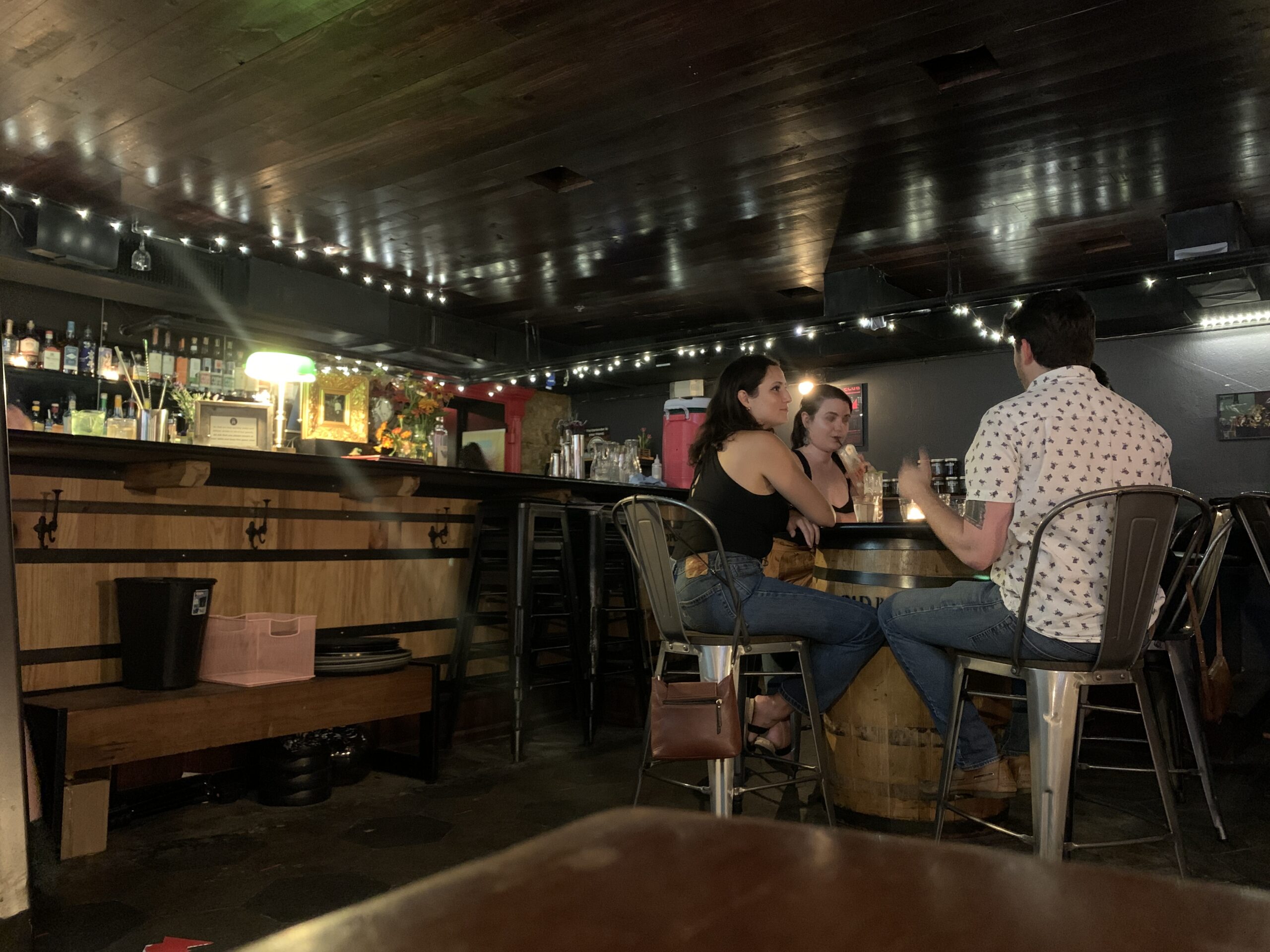
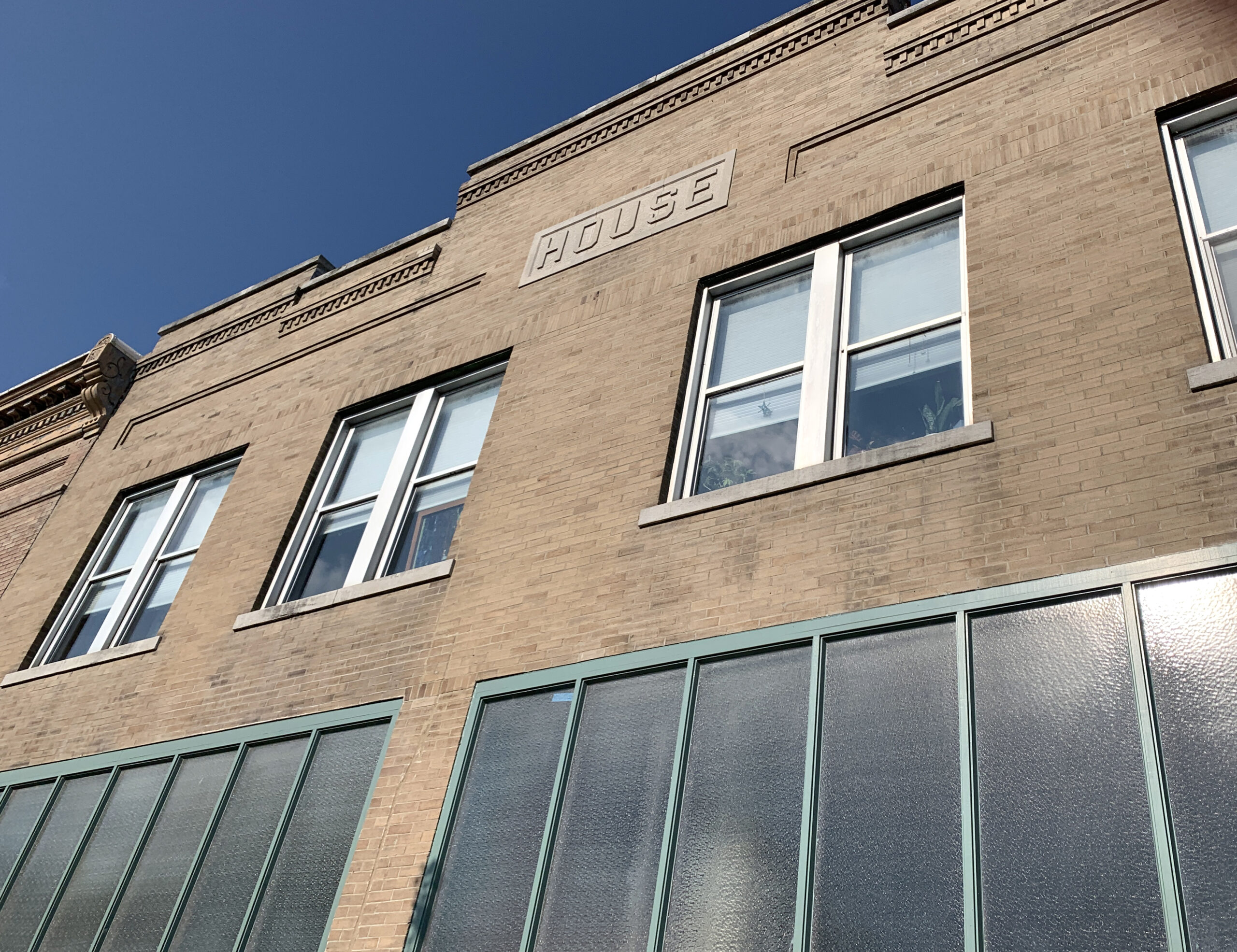
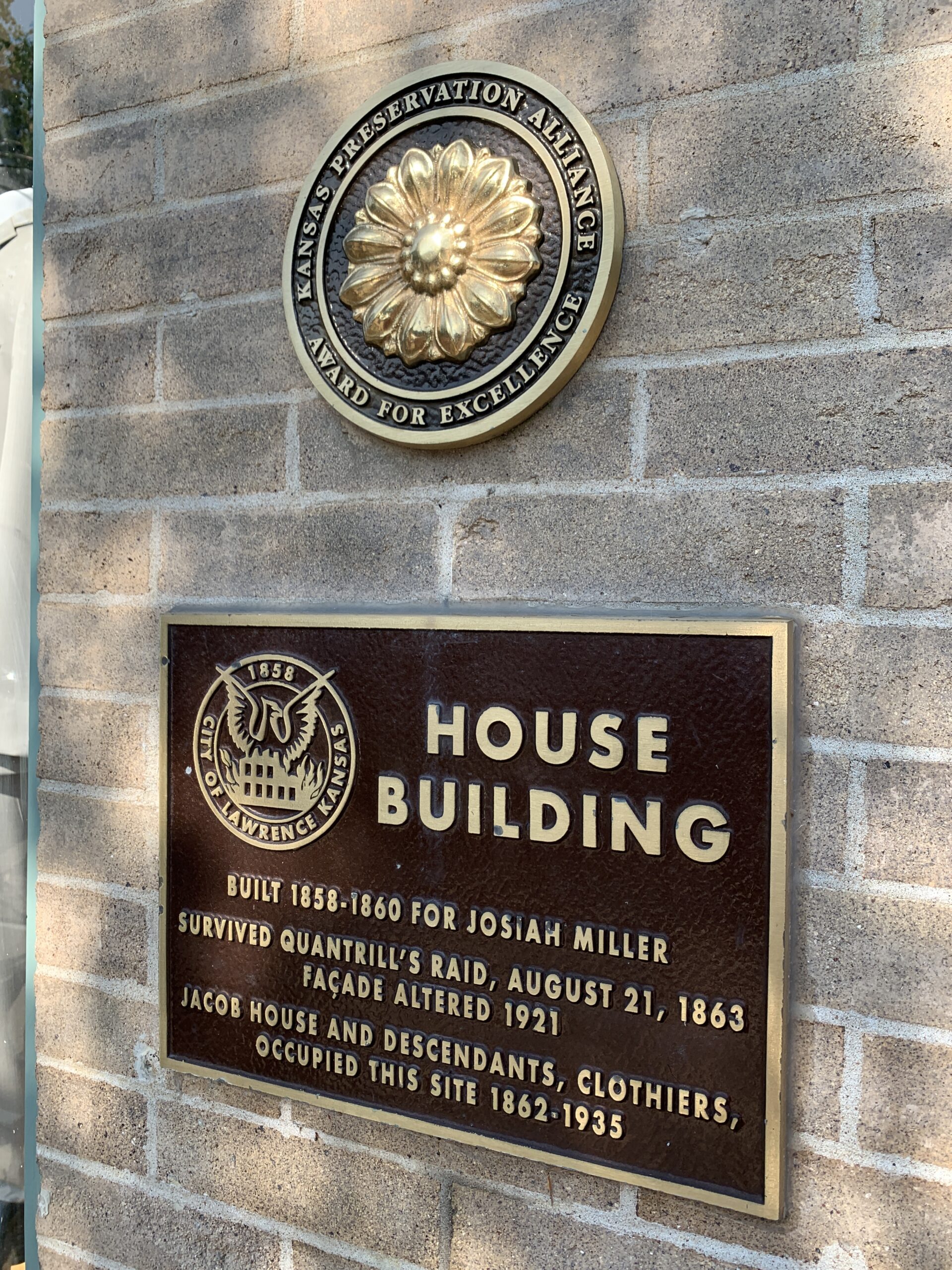 During the tour, Jewell pointed to buildings that were rebuilt after that fateful date in history. A post-raid campaign was the focus of community members who wanted to rebuild a shattered community. Lawrence’s downtown district is a testament to their will to survive.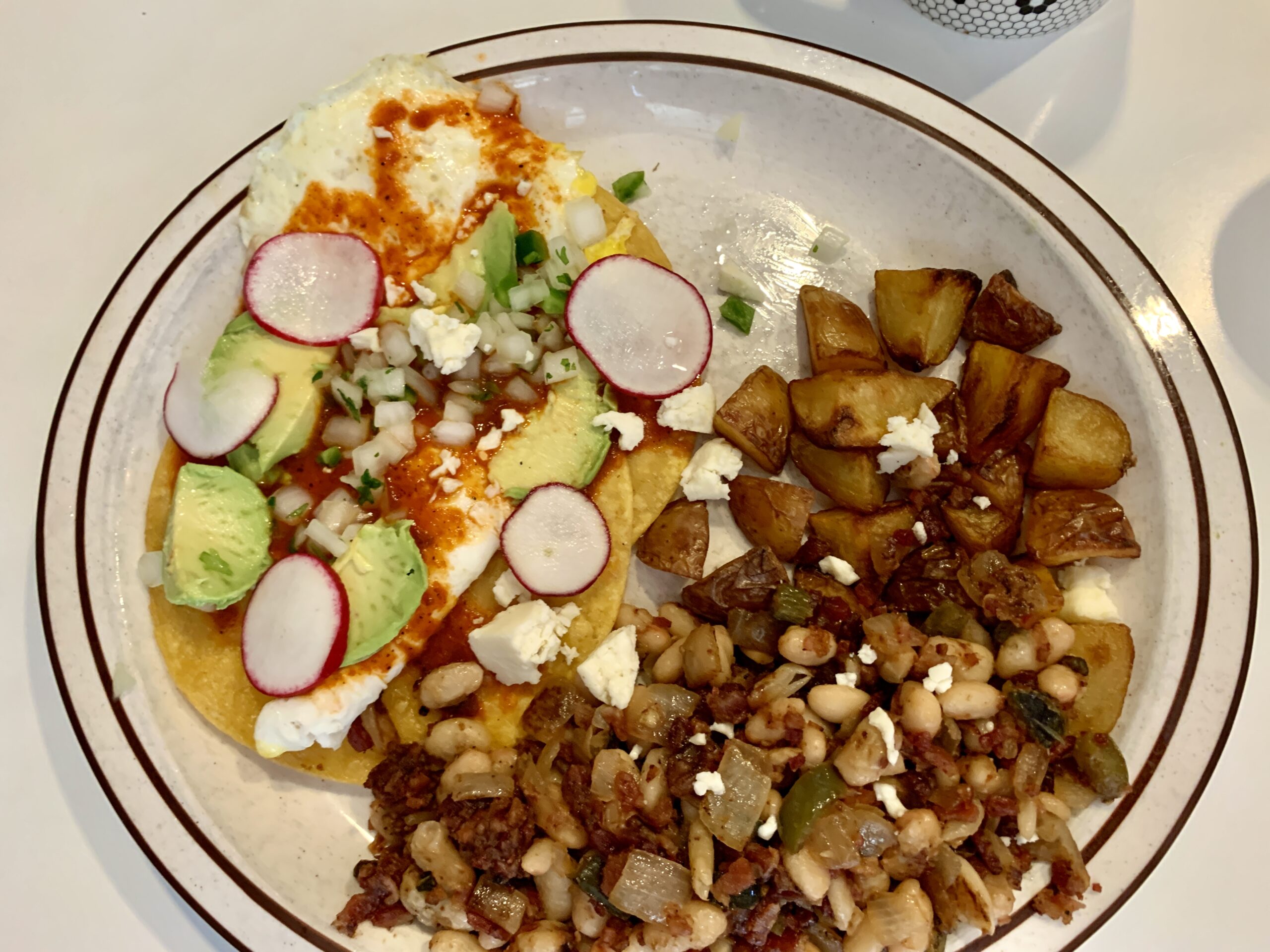
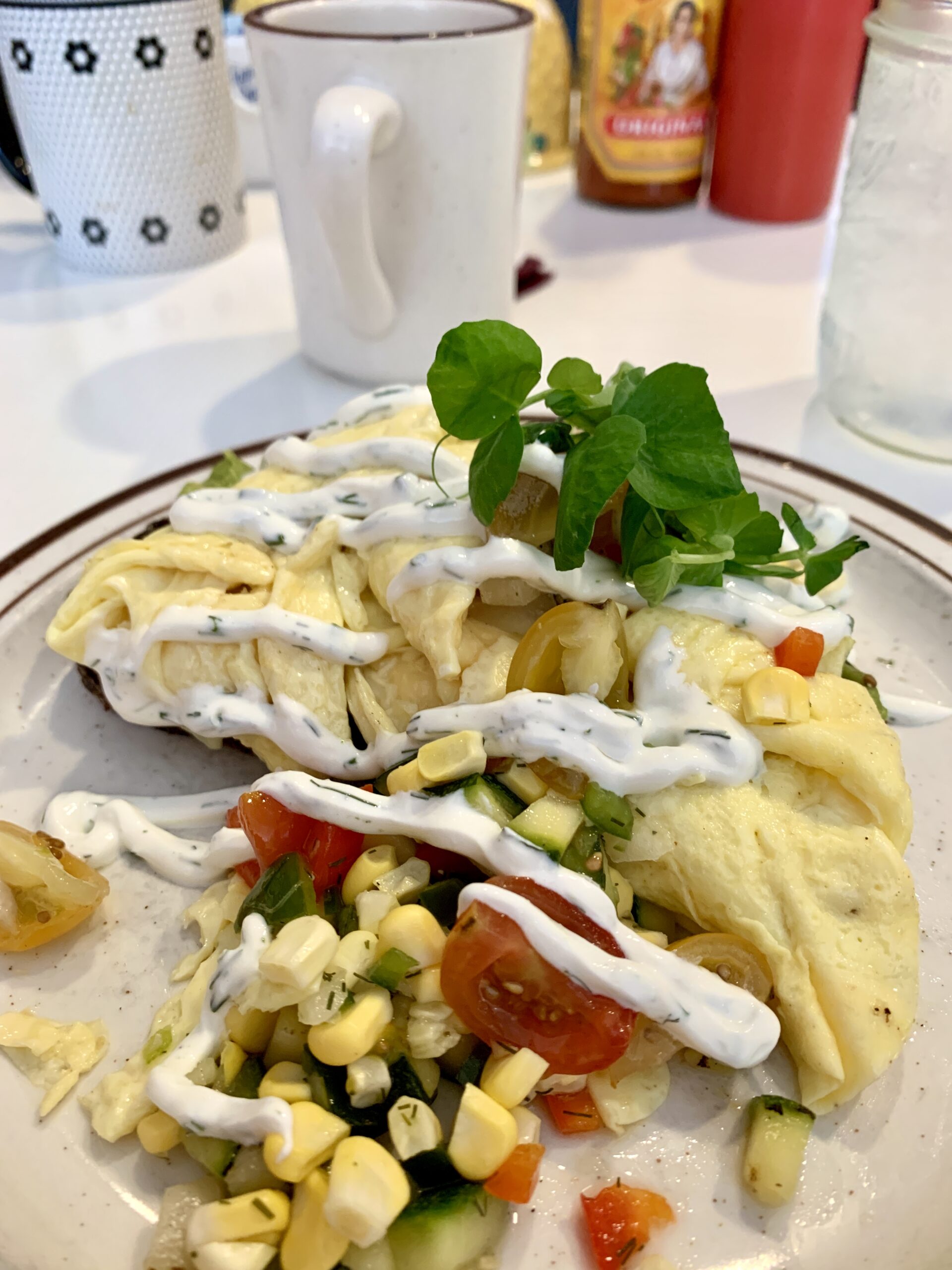 We enjoyed Avocado Toast with Scrambled Eggs and Huevos Rancheros with Corn Tortillas. With room left for dessert, I chose a slice of peach pie with a latticework crust. Beyond delicious. He said, “It’s one of the best breakfasts I’ve ever had.”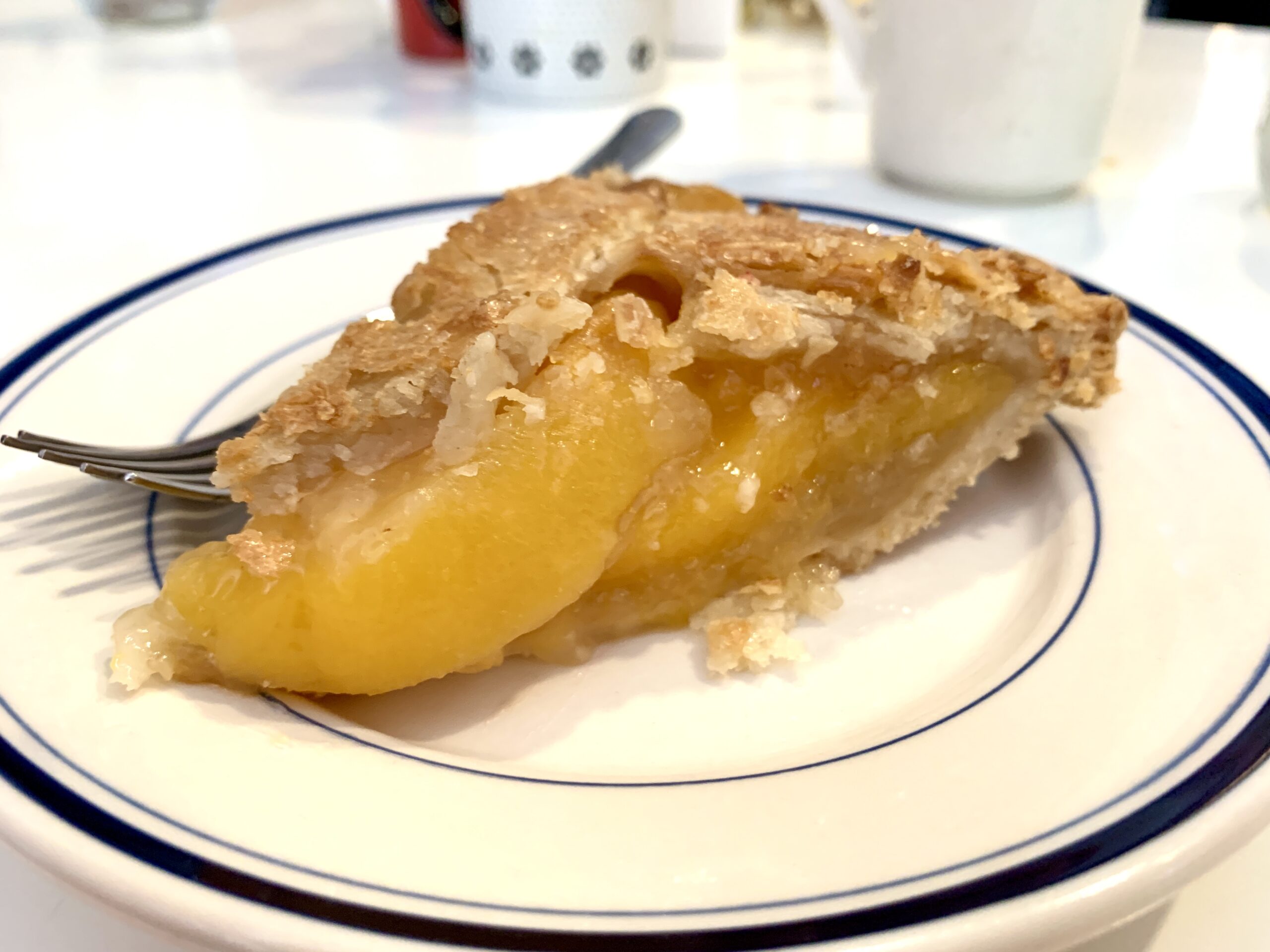
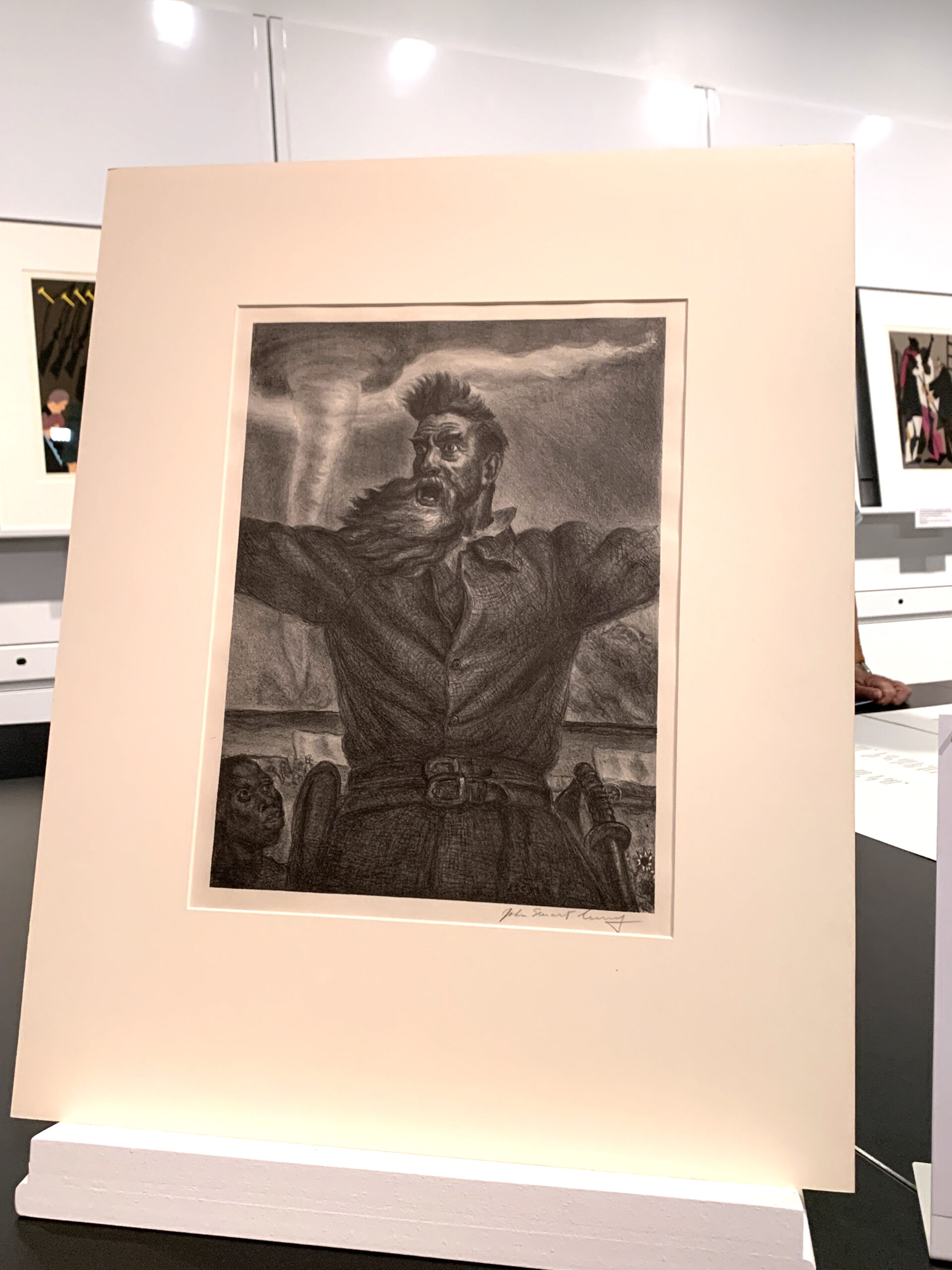
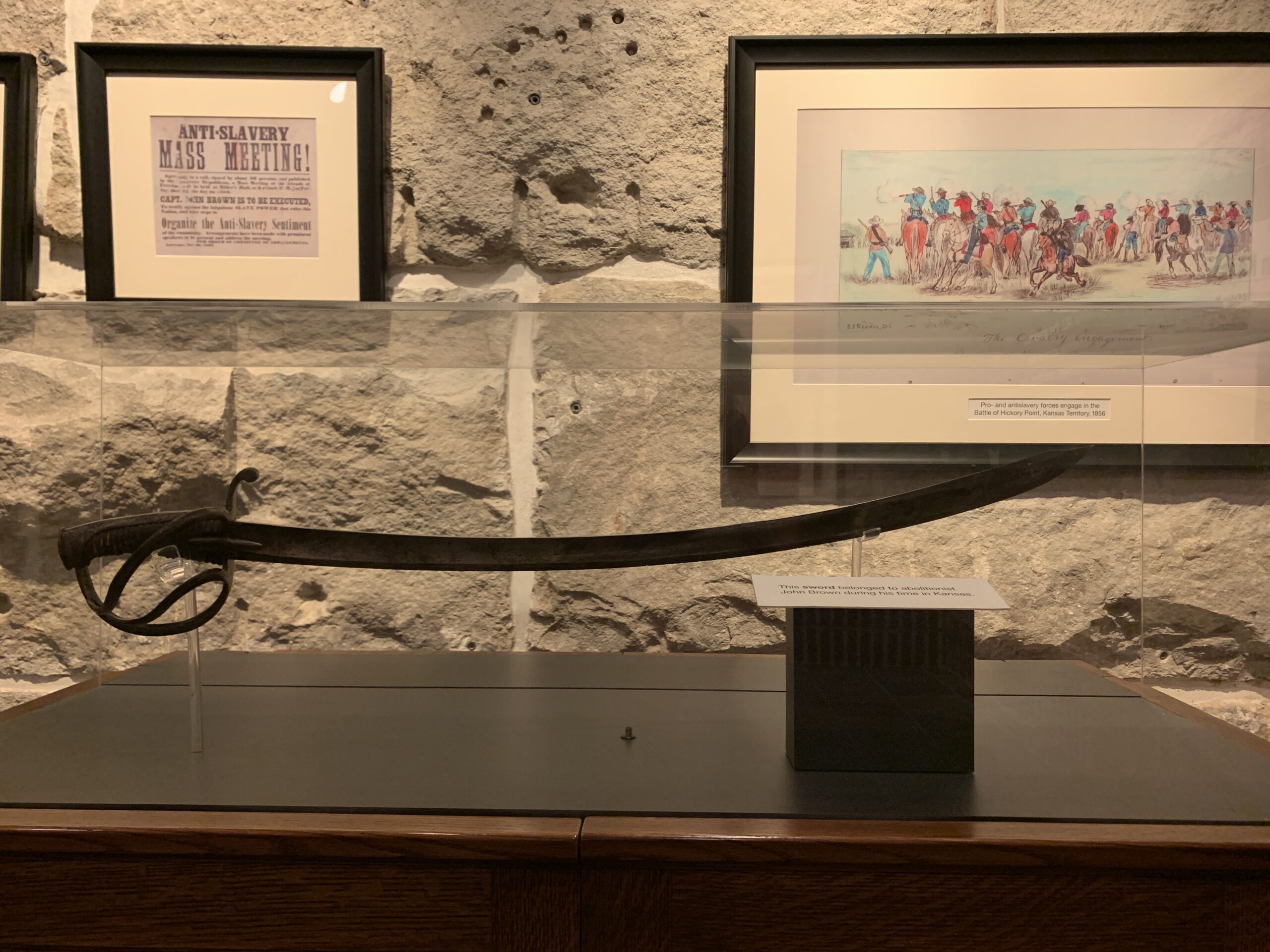
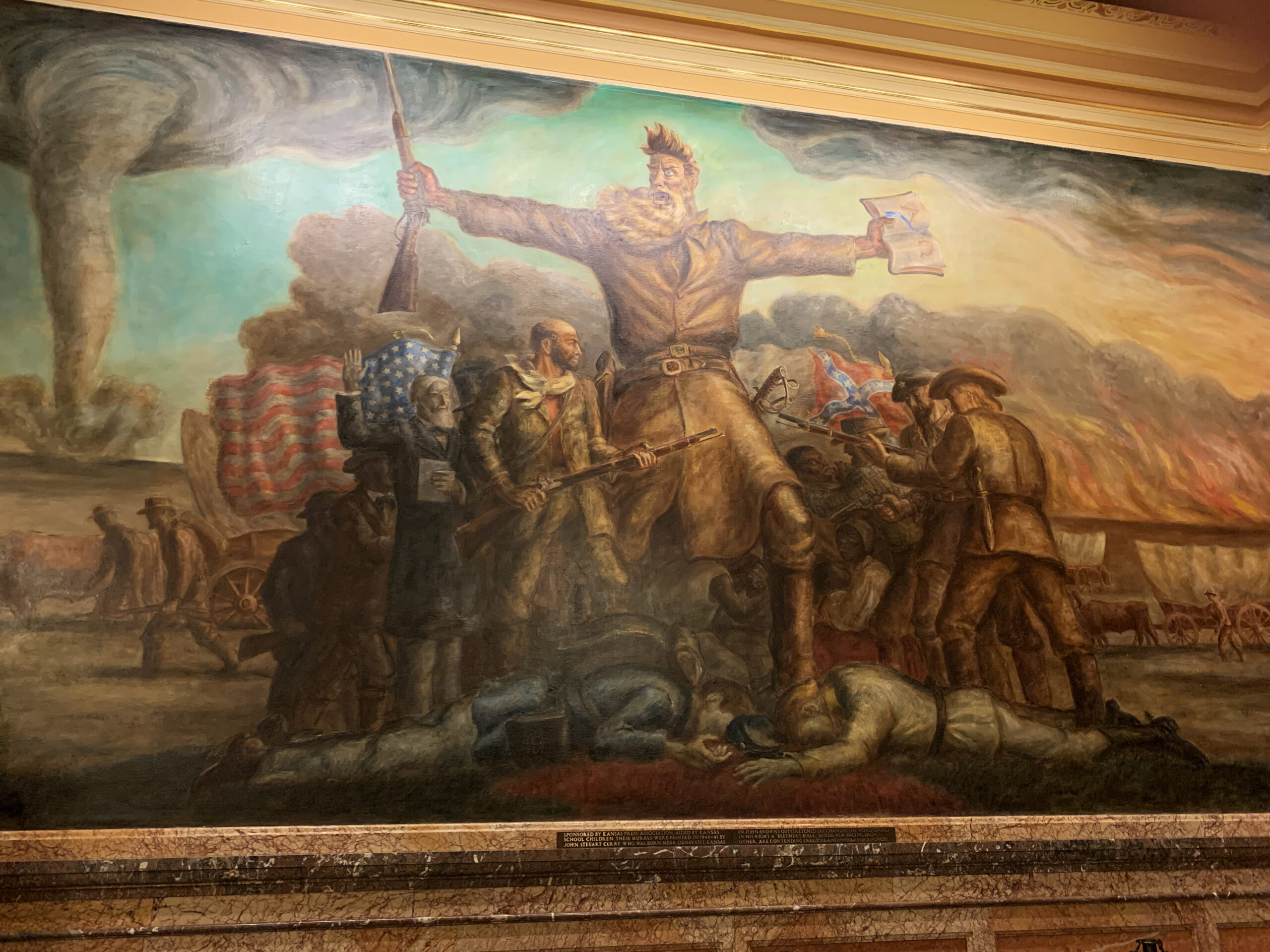 The original sword belonging to Brown is also on display in a rotunda room not far from the Kansas Constitution. It is part of a larger collection of artifacts that tells the story of when the Kansas Territory was established on the brink of the Civil War. We got lucky and visited the capital minutes before a guided tour was about to begin.
 To truly understand a town’s existence, you must dive deep into its history books. Peruse its museums. Walk its streets. I invite you to travel to Lawrence and visit these historical places and the ones that welcome visitors today. It’s a town near and dear to my heart, and now I appreciate it that much more.
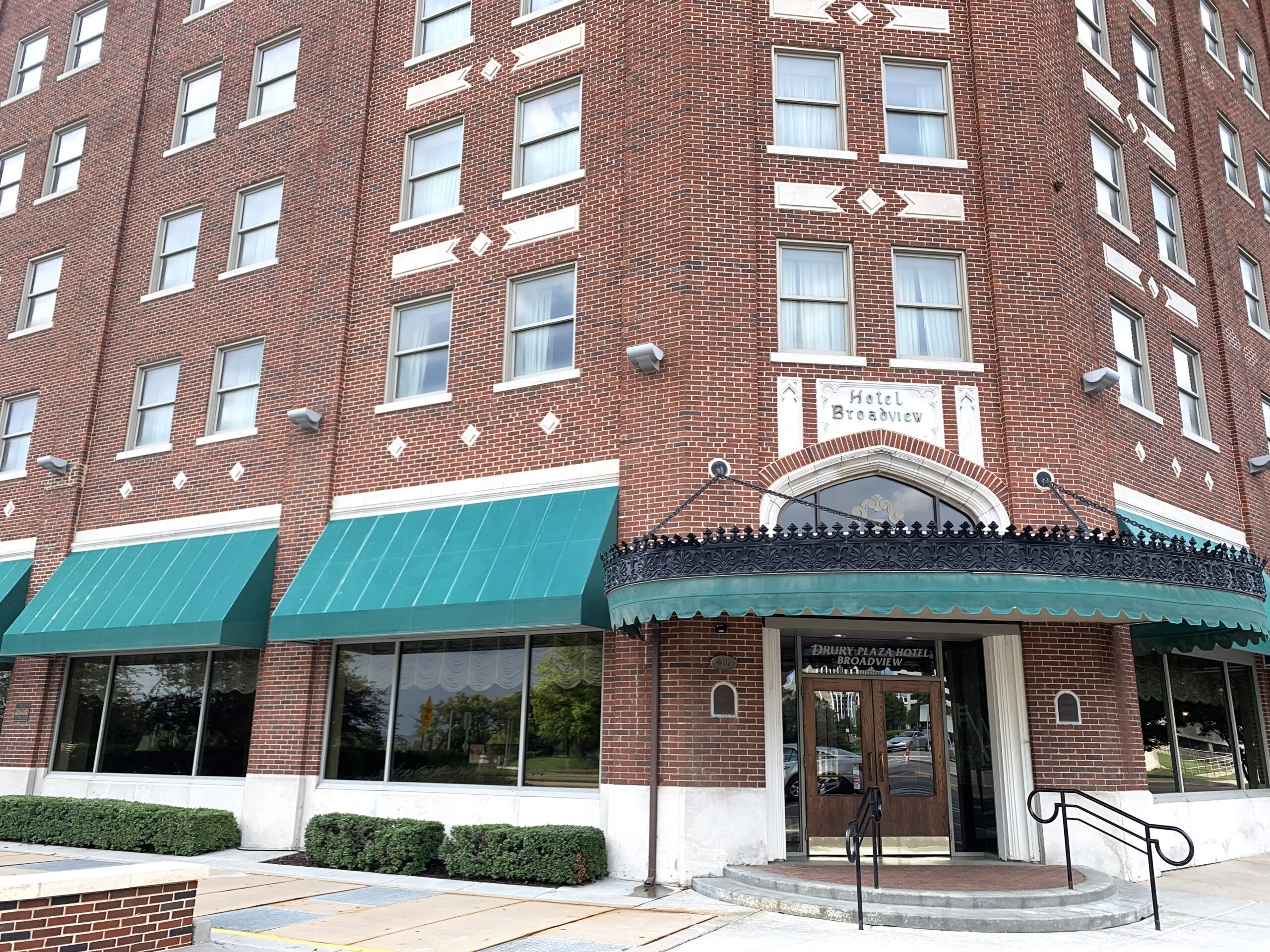
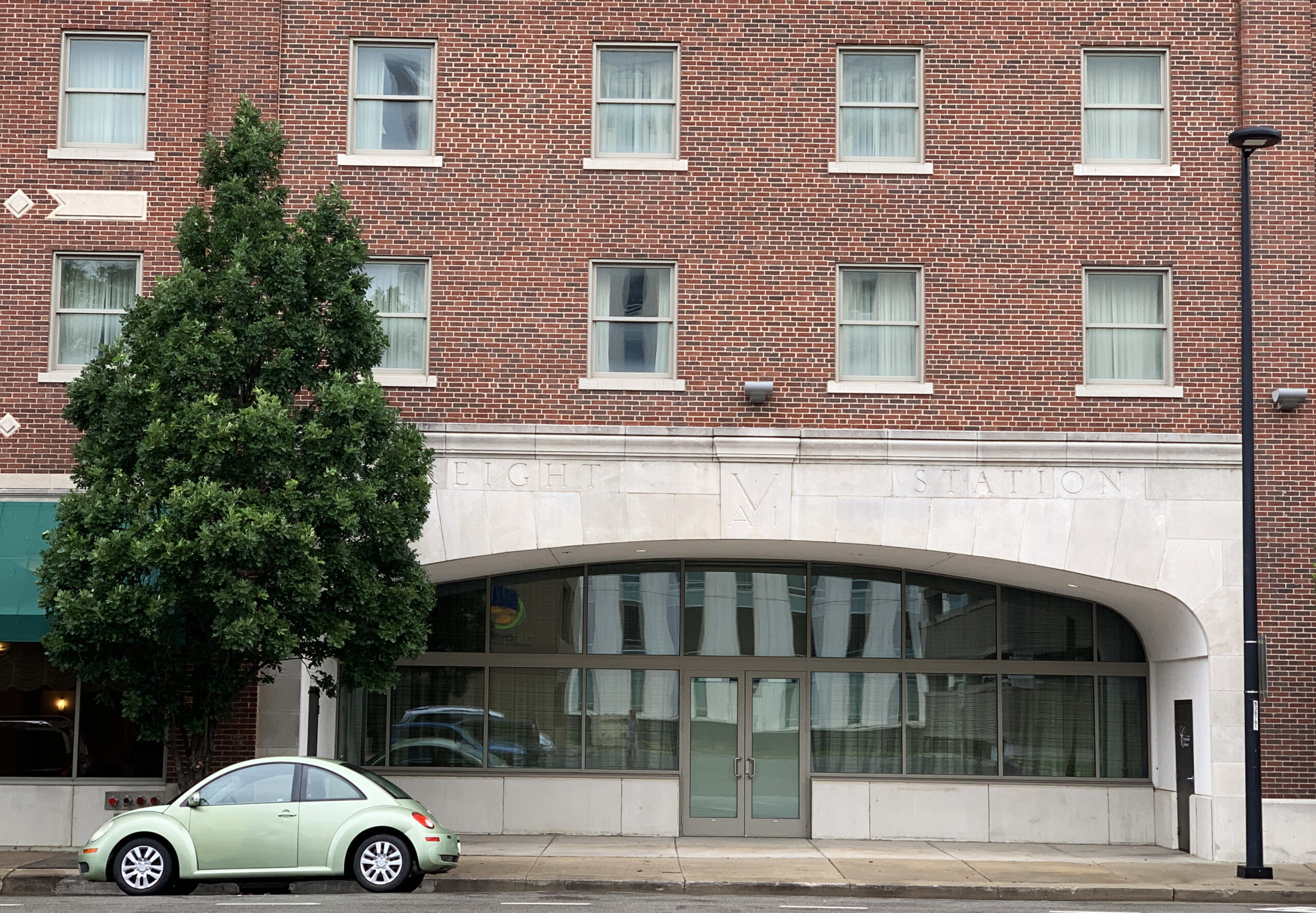
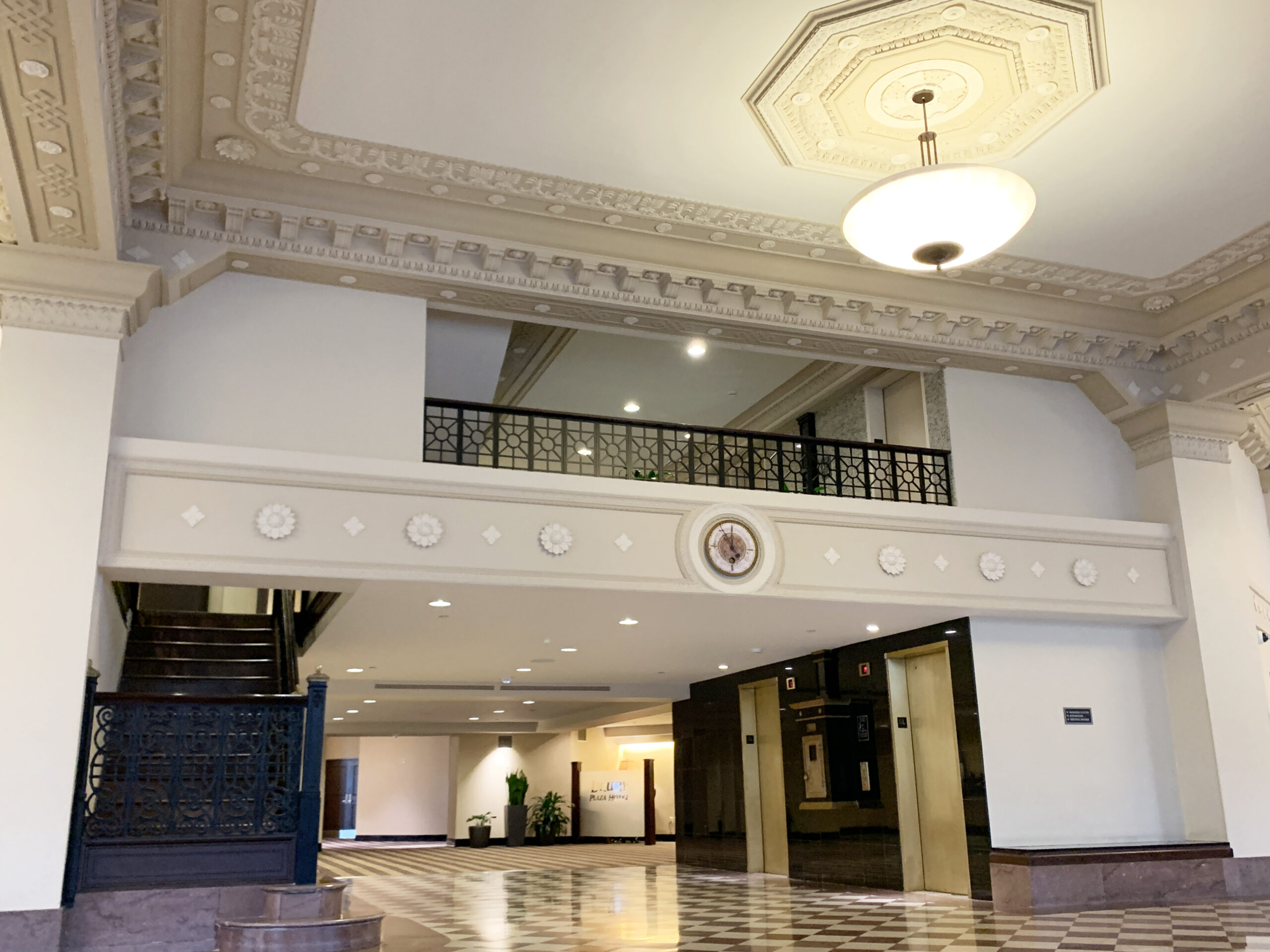
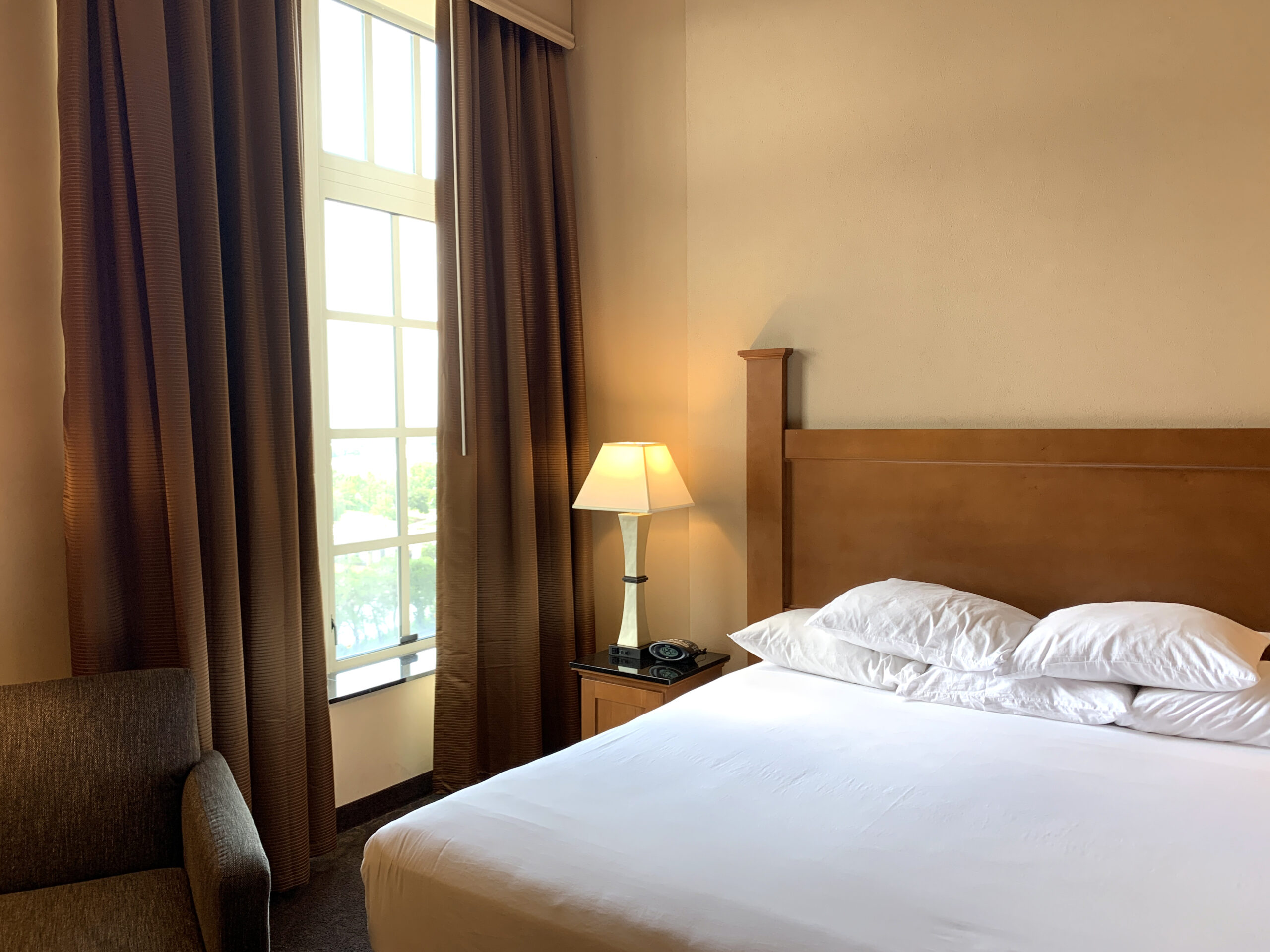
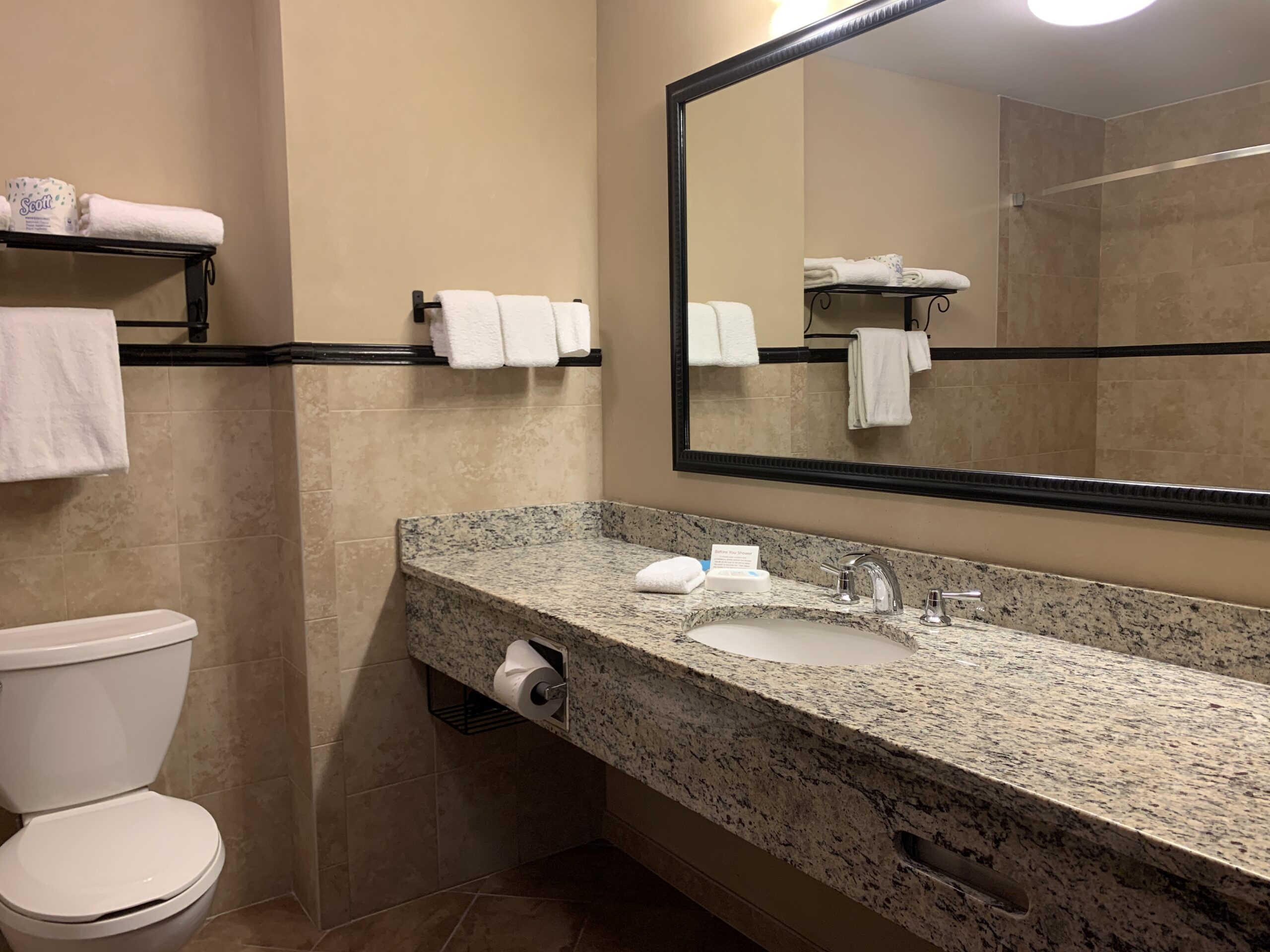 The rest of the hotel was equally impressive. The Drury Hotel Plaza Broadview features an indoor pool and whirlpool, business center, fitness center, guest pantry, and outdoor hot tub. Soon after checking in the hotel, I made my way to their free 5:30 Kickback®, a “happy hour” kind of event open to guests every evening. I presented my Kickback® card to the bartender and was given three complimentary drinks (wine, beer, or cocktails) to accompany self-serve appetizers. You’ll love this amenity.
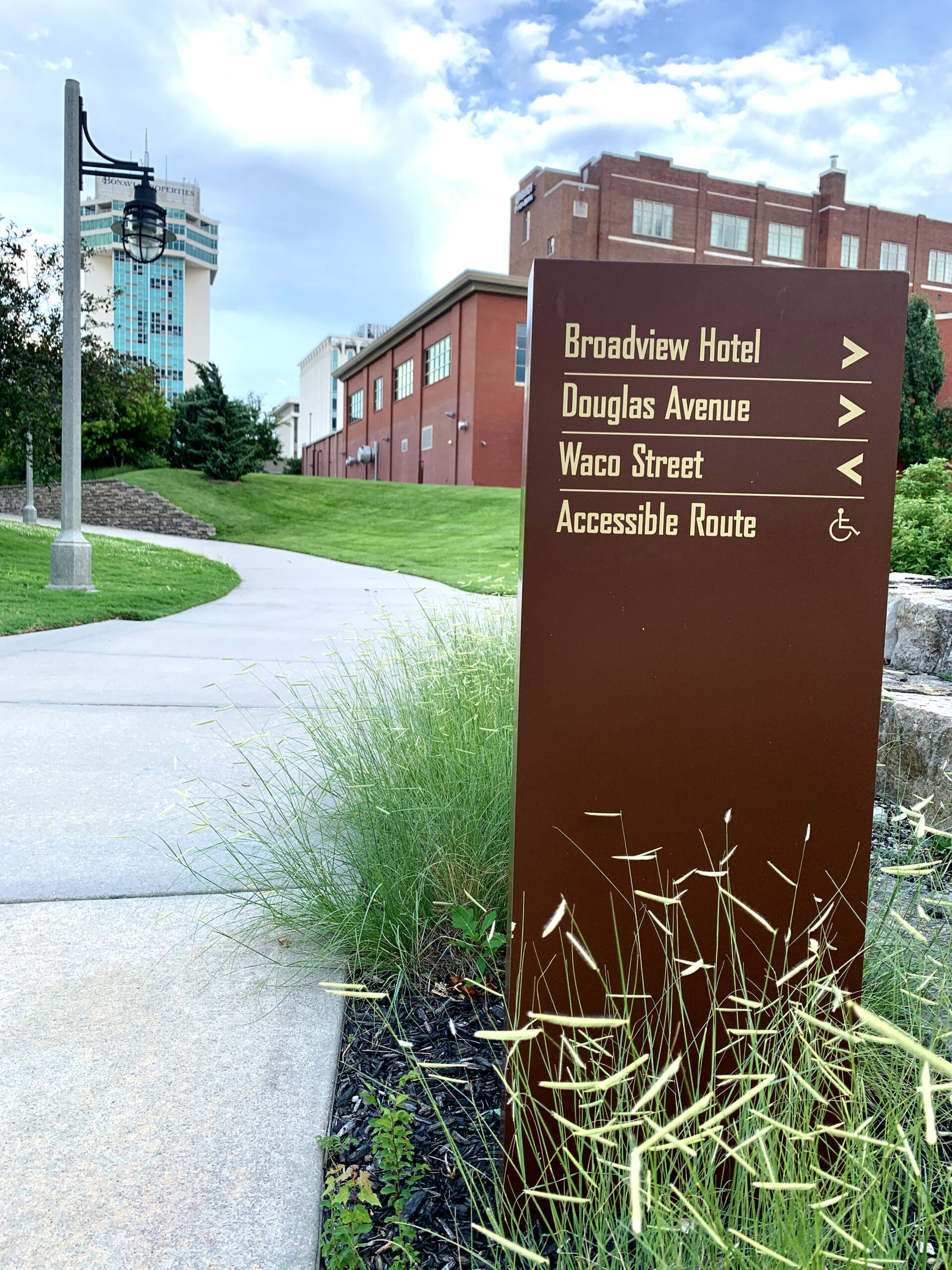
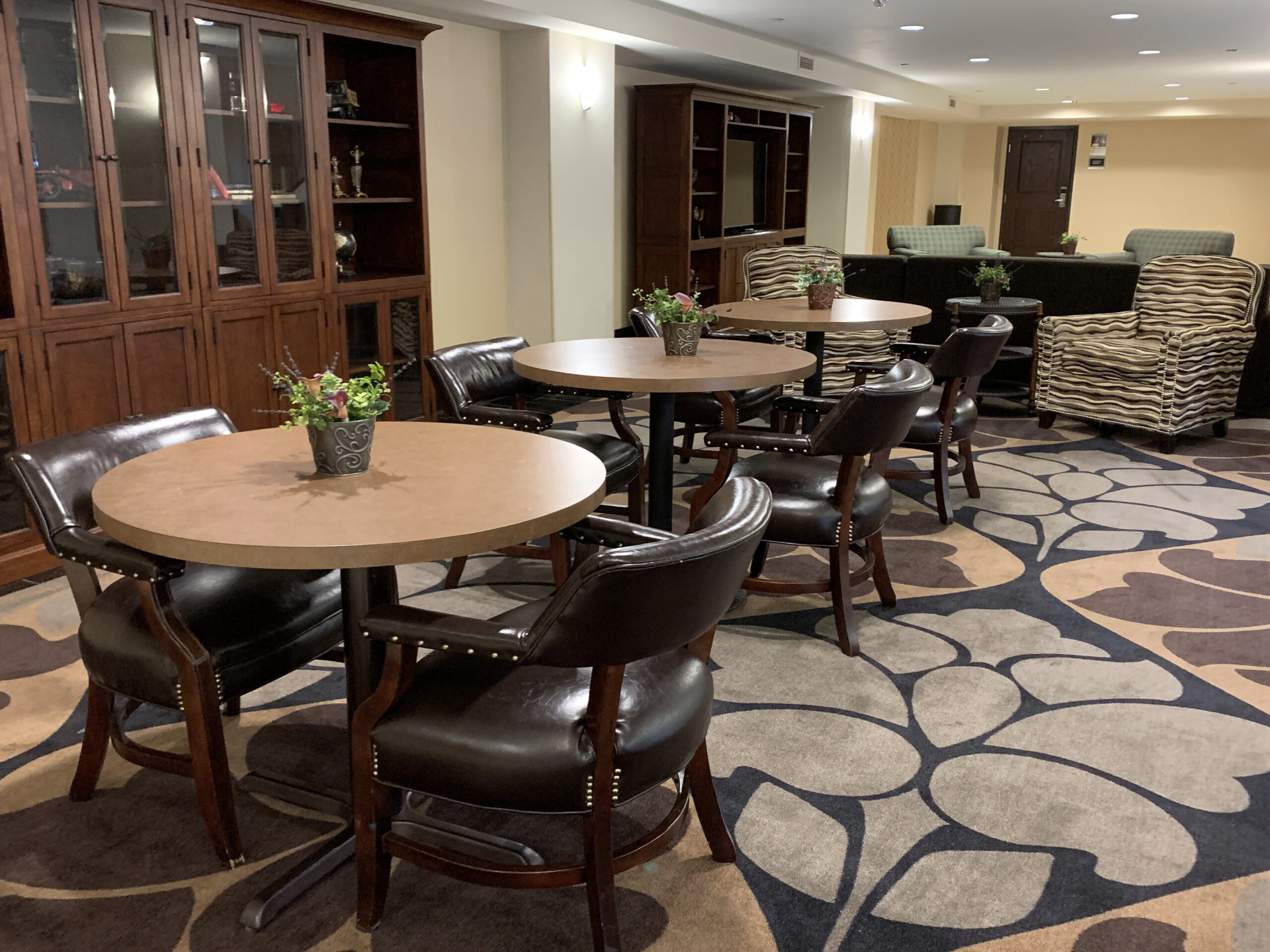 Located in the heart of downtown Wichita and only a short walk from shopping and dining, its prime location is perfect for adventure seekers who want to enjoy the city. Using downtown transit is easy and there is a map available online to plan your Douglas Avenue route
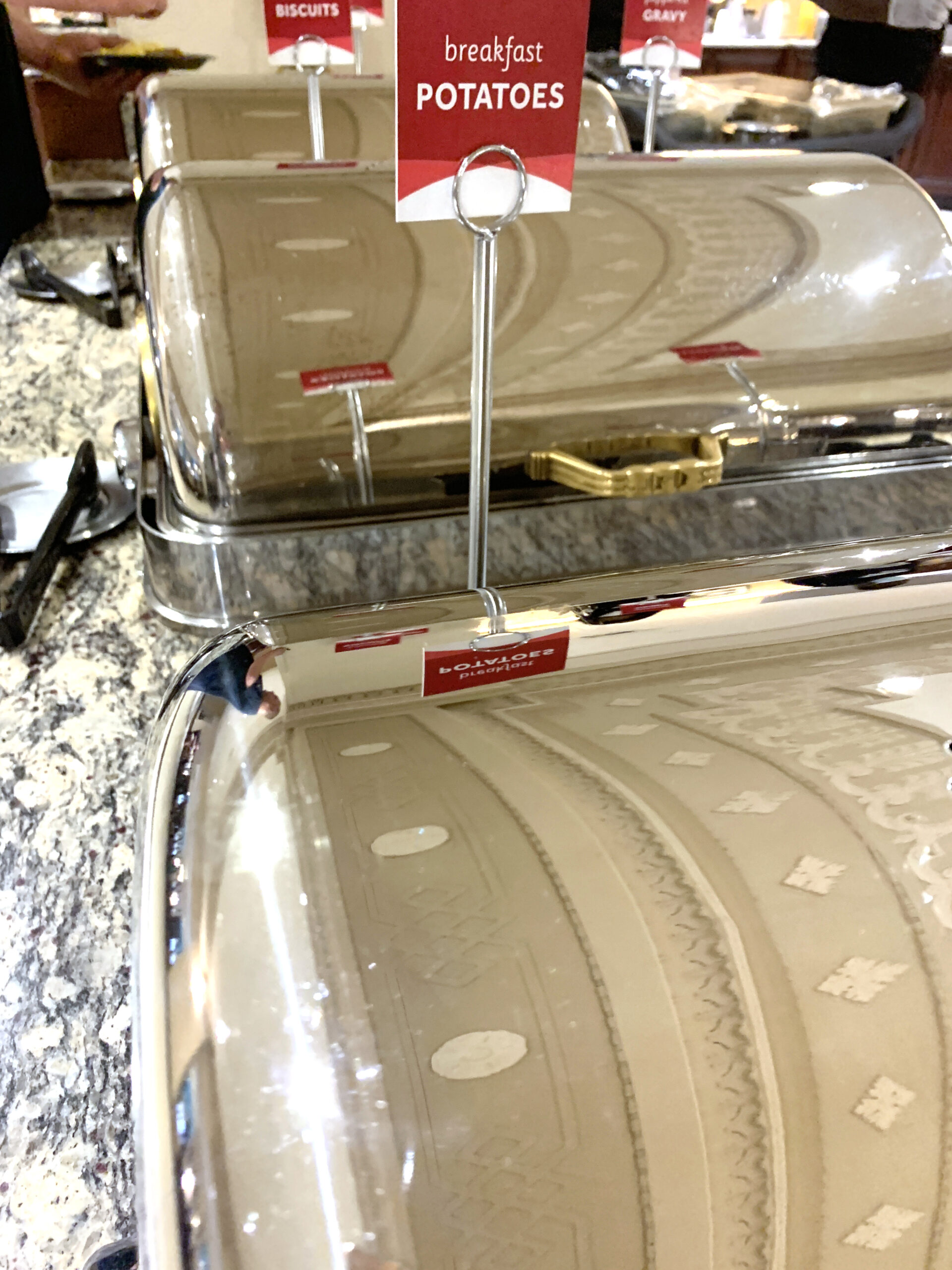
  The next morning, I made my way to the second-floor mezzanine where an elaborate breakfast buffet awaited my arrival featuring a full lineup of delicious menu options. Adjacent to the buffet was a cereal station, coffee counter, and make your own waffle setup. I chose biscuits and gravy with a side of sausage. The freshly brewed coffee was just what I needed to give me a boost for the day.
 Later at the hotel, I continued my historical journey by viewing the framed prints adorning the lobby’s walls. Did you know the
  If given the chance to walk into one of the hotel’s larger event spaces, the ballroom, you can view a mosaic designed by American Indian artist, Blackbear Bosin. He is the same artist who designed the city’s iconic Keeper of the Plains sculpture that stands proudly amongst the downtown skyline. The 1,550 square foot mosaic is the largest continual mural in Kansas. Ask the front desk attendant if the ballroom is accessible to view it.
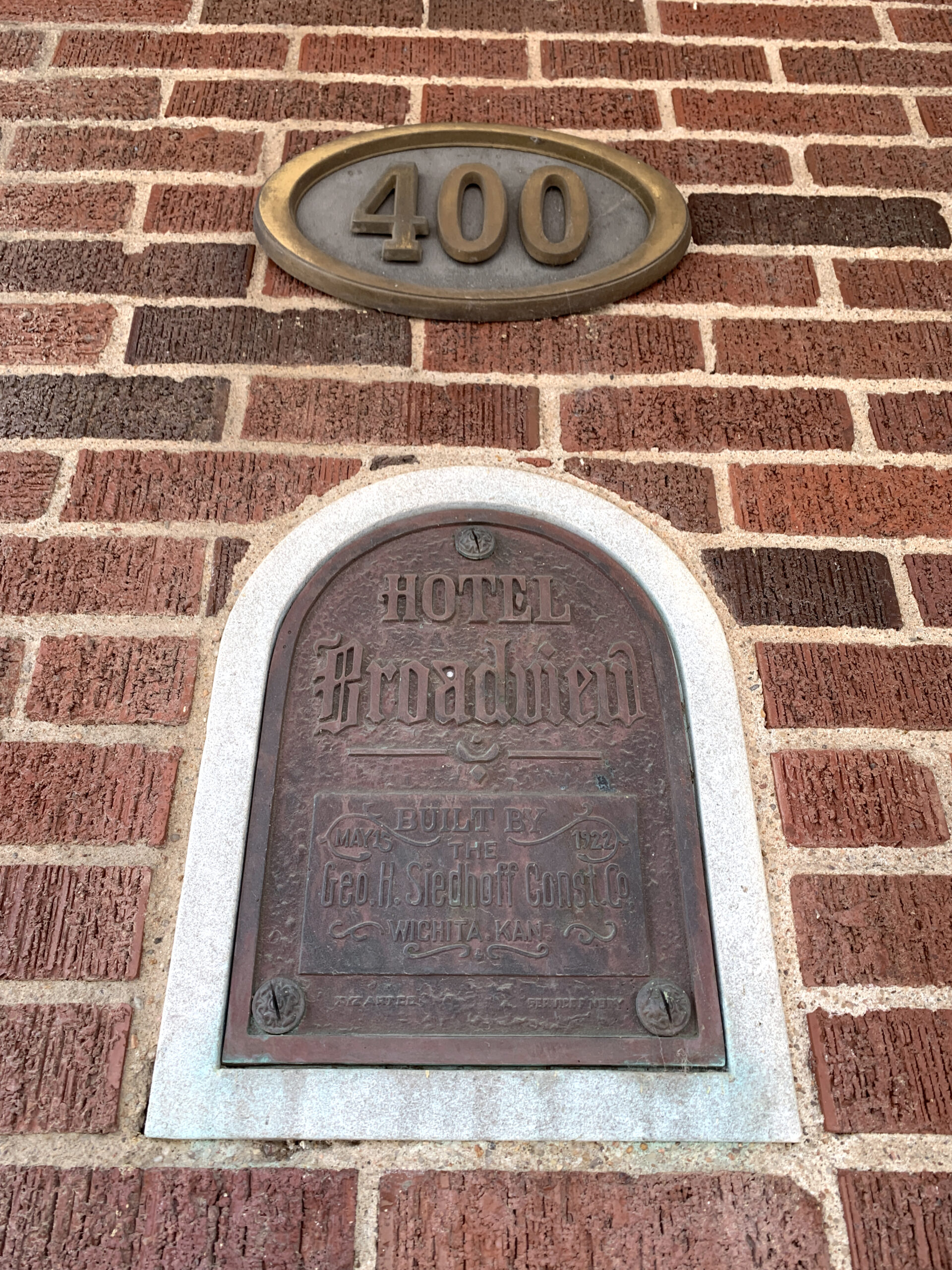 All in all, I adored my experience as a guest at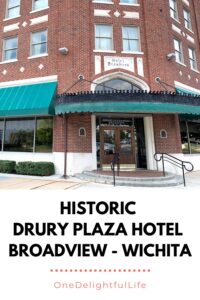
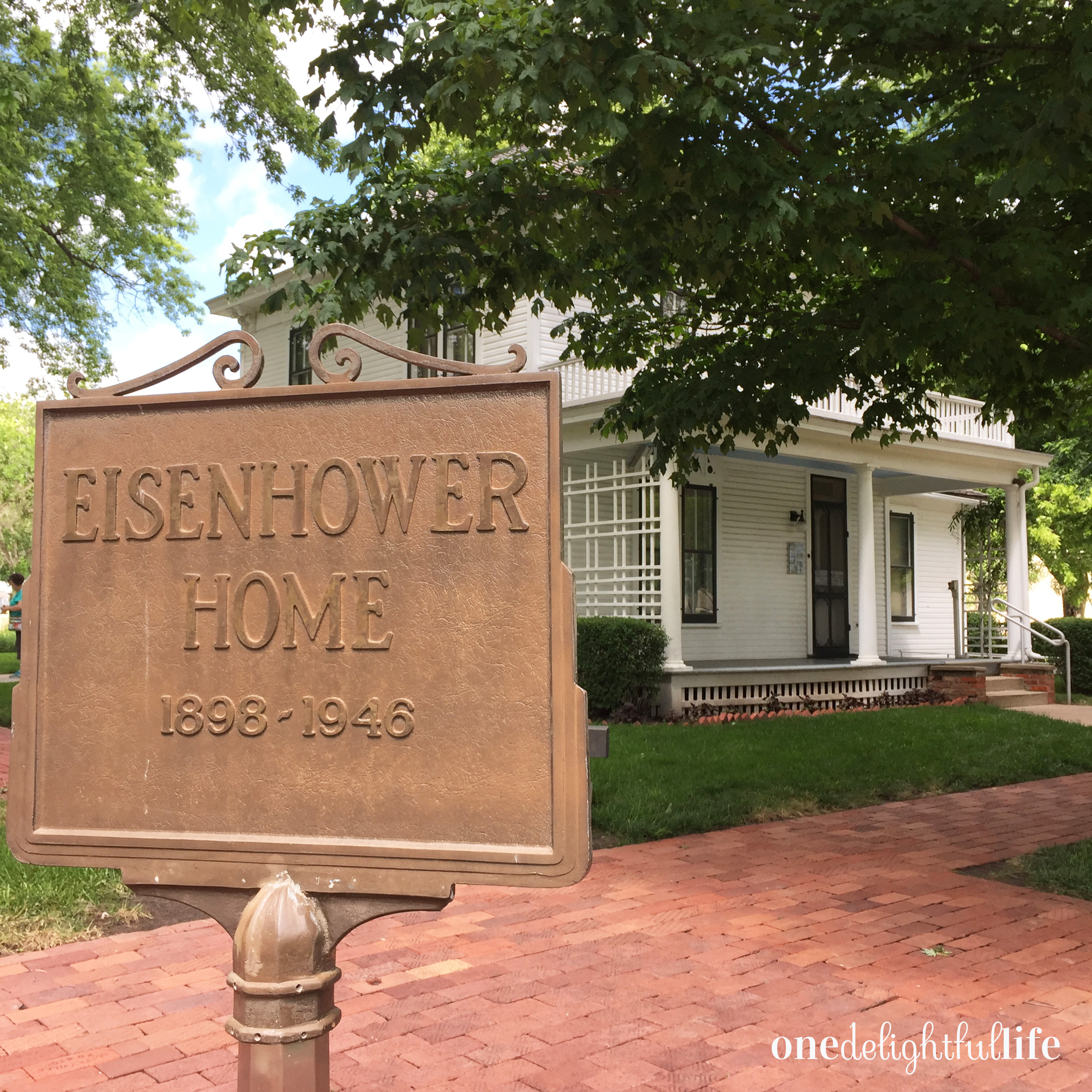
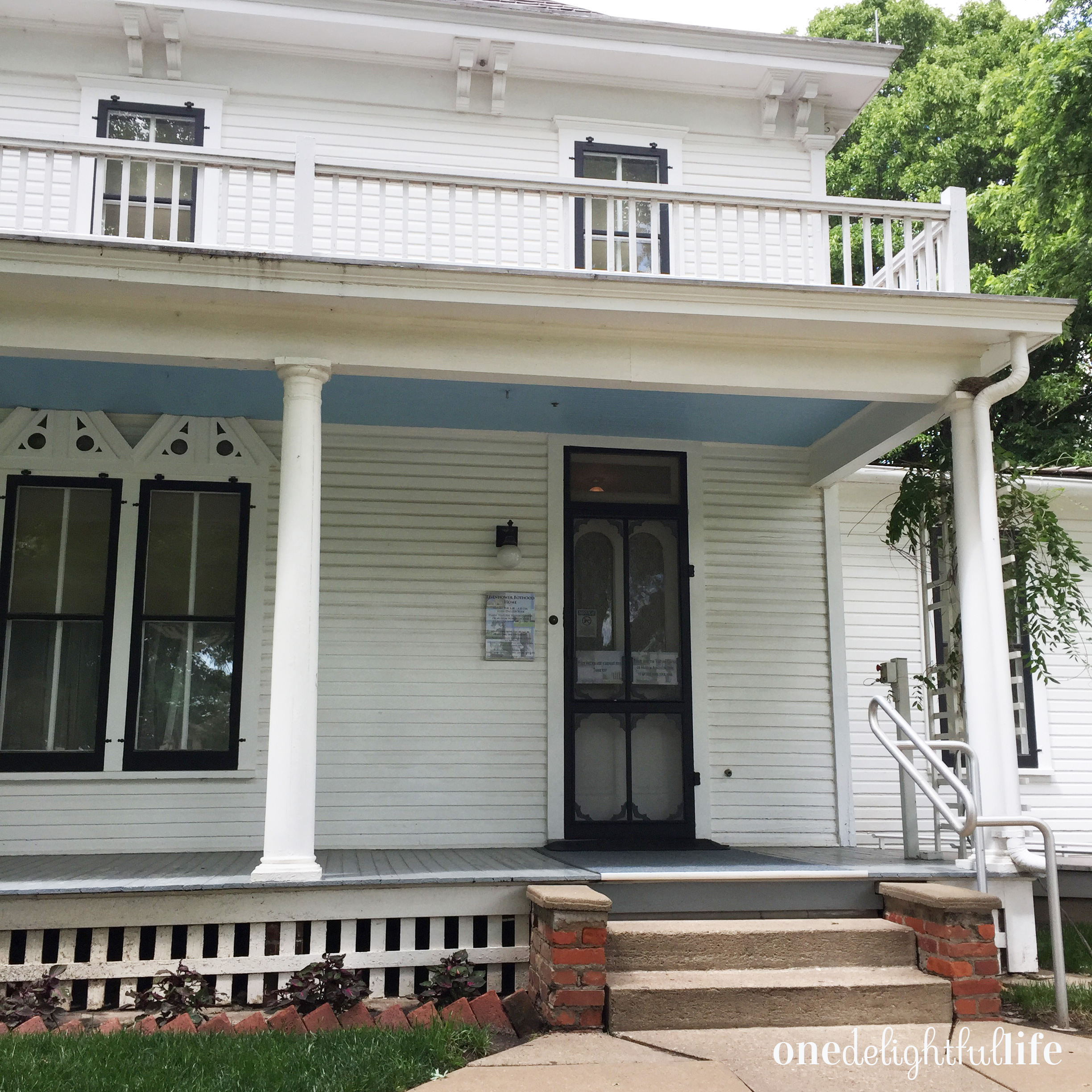
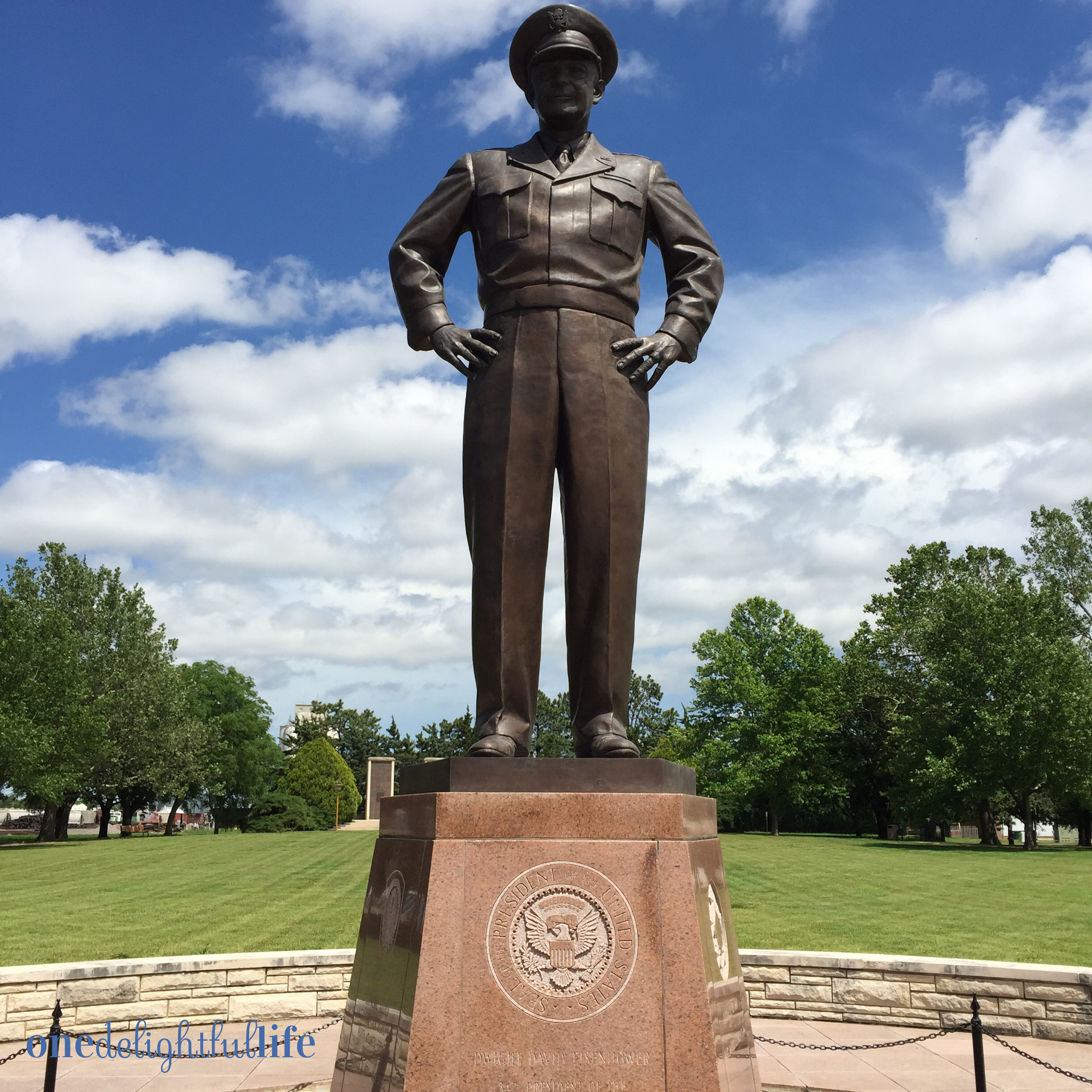 After slowly making your way through his museum passing by artifacts documenting his achievements and his family life, you can step outdoors and see his small boyhood home in the distance. Visitors are able to tour the interior of the home led by a tour guide about every thirty minutes. Sightseers awaiting the next tour should sit outside on one of the shaded benches until the next free tour begins.